FBI confiscă drone 600 la locurile Cupei Mondiale, DJI lansează parașuta M400
FBI a confiscat peste drone 600 la locurile Cupei Mondiale în această vară, ceea ce semnalează o aplicare intensificată. Între timp, DJI a lansat parașuta Matrice 400. Operatorii ar trebui să examineze conformitatea și să ia în considerare dronele DJI second-hand pentru o planificare rentabilă a flotei.

Ciclul de știri UAS din această săptămână aduce două povești care completează experiența operatorului comercial de drone: aplicarea agresivă a spațiului aerian și un nou accesoriu hardware conceput pentru a face zborul mai sigur. FBI a confiscat acum mai mult de drone 600 la locurile Cupei Mondiale din orașele gazdă, iar DJI a dezvăluit sistemul de parașute Matrice 400. O a treia poveste, premiul Boom Supersonic $100,000 pentru un avion Mach 1 RC, completează gama cu un memento că recordurile de viteză încă captează imaginația industriei.
Pentru managerii de flote, clienții de reparații și cumpărătorii care scanează piața DJI second-hand, fiecare poveste poartă semnale operaționale și financiare distincte. Acțiunile de aplicare afectează disponibilitatea revânzării unităților confiscate, în timp ce noile accesorii, cum ar fi parașuta M400, influențează calea de upgrade pentru flotele active. Concursul de premii, deși este de nișă, sugerează o inovație continuă în designul corpului de avioane care s-ar putea scurge în produsele comerciale.
FBI confiscă drone 600 la locurile Cupei Mondiale
Potrivit sursei raportului, FBI a confiscat mai mult de drone 600 la locurile Cupei Mondiale până acum în această vară. Amploarea operațiunii de aplicare sugerează o campanie coordonată și susținută pentru a menține spațiul aerian restricționat departe de aeronavele fără pilot neautorizate în timpul turneului. Echipele de securitate a locațiilor și agenții federali caută drone care intră în zonele de excludere a zborului din jurul stadioanelor, cu confiscarea ca răspuns principal.
DJI buying context
Match product news to hardware you can actually deploy.
Check inspected DJI aircraft, repair support, and trade-in timing before deciding whether to upgrade, repair, or wait.

Pentru operatorii comerciali, concluzia este simplă: restricțiile temporare de zbor (TFR) în jurul evenimentelor sportive majore sunt aplicate cu resurse reale. Operatorii care încearcă să zboare în aceste zone, fie pentru acoperire media legală, fie pentru uz personal, se confruntă nu doar cu un avertisment sau cu o amendă, ci și cu pierderea permanentă a aeronavei lor. Numărul 600-plus indică faptul că mulți piloți fie nu cunosc restricțiile, fie aleg să le ignore.
Acest val de aplicare va crește probabil oferta de drone uzate care intră pe piața secundară, dar cu o captură. Unitățile confiscate sunt de obicei păstrate ca dovezi și pot fi returnate numai după încheierea evenimentului, dacă este deloc. Unele pot fi scoase la licitație de agențiile guvernamentale ulterior. Cumpărătorii pentru cumpărături drone DJI second-hand ar trebui să verifice proveniența oricărei unități enumerate ca „ore reduse” de la un vânzător dintr-un oraș gazdă a Cupei Mondiale. O dronă confiscată la mijlocul operațiunii ar putea avea daune ascunse de la o aterizare forțată sau o falsificare în timpul confiscării.
DJI lansează parașuta Matrice 400
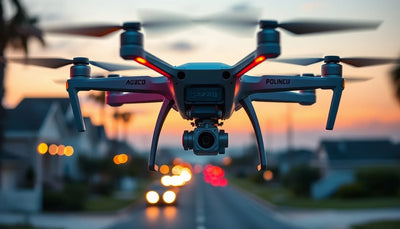
Sursa confirmă că DJI a lansat parașuta Matrice 400. Accesoriul pare proiectat pentru platforma Matrice 400, adăugând un sistem automat de desfășurare a parașutei care poate încetini o dronă în coborâre în cazul unei defecțiuni critice. În timp ce sursa nu specifică altitudinea de desfășurare, greutatea sau compatibilitatea cu alte modele Matrice, existența produsului semnalează că DJI vede sistemele de parașute ca un supliment necesar pentru operațiuni în siguranță asupra oamenilor sau proprietăților.
Pentru operatorii de flote, o parașută proprie oferă avantaje față de kiturile de la terți: integrare mai strânsă cu telemetria controlerului de zbor, fără anularea garanției celulei aeronavei și întreținere mai ușoară prin standard. servicii profesionale de reparații DJI. Operatorii care zboară peste aglomerații, infrastructuri critice sau site-uri industriale sensibile ar trebui să evalueze dacă acest accesoriu le reduce suficient profilul de risc pentru a justifica achiziția.
Pentru cumpărătorii de pe piața de vehicule second-hand, parașuta M400 adaugă o nouă variabilă la preț. O Matrice 400 folosită care include parașuta din fabrică poate avea o valoare premium, în timp ce o unitate fără aceasta ar putea necesita o modernizare. Dacă parașuta devine o includere standard în noile kituri, piața secundară pentru modelele M400 de la începuturile fără accesoriu s-ar putea înmuia. Managerii de flote care planifică extinderi ar trebui să ia în considerare acest lucru în termenele lor de achiziție.
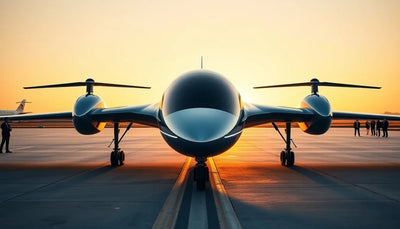
Boom Supersonic oferă premiul $100,000 pentru avionul Mach 1 RC
Boom Supersonic, compania care dezvoltă avioane comerciale supersonice, a anunțat un premiu $100,000 pentru oricine construiește un avion radiocontrolat capabil să atingă Mach 1.. dovada de concept pentru materiale, propulsie sau sisteme de control.
Aceasta nu este o poveste cu drone comercială în sensul tradițional, dar contează pentru ecosistemul mai larg UAS. Aeronavele mici, de mare viteză, împing limitele chimiei bateriei, aerodinamicii și stabilității autonome. Orice descoperire de la concurență ar putea ajunge în cele din urmă în designul comercial UAV. Pentru moment, premiul este o reamintire a faptului că distanța dintre un concurs $100,000 și o dronă industrială pregătită pentru producție este mare, dar talentul de inginerie care câștigă astfel de provocări ajunge adesea să lucreze în sectorul comercial.
Cumpărătorii de drone și operatorii de flote ar trebui să vadă acest lucru ca un semnal speculativ, mai degrabă decât un factor de cumpărare pe termen scurt. Nimeni nu ar trebui să rețină o achiziție DJI în speranța unei drone de inspecție supersonică. Dar dacă conduceți un atelier de reparații sau faceți comerț cu unități mai vechi, urmărirea cercetării și dezvoltării de mare viteză vă poate ajuta să anticipați care aeronave ar putea deveni învechite mai repede decât se aștepta.
Ce înseamnă asta pentru cumpărătorii de drone
Cele trei povești împreună descriu o imagine a unei piețe care înăsprește simultan aplicarea și avansează hardware-ul de siguranță. Pentru oricine care se gândește la achiziționarea de dronă astăzi, indiferent dacă este nouă sau pre-deținută, implicațiile sunt concrete.
În primul rând, datele de confiscare FBI ar trebui să forțeze o verificare a conformității. Dacă cumpărați o dronă folosită dintr-o regiune care a găzduit meciuri ale Cupei Mondiale, solicitați dovada achiziției inițiale și un jurnal care să arate că nu există zboruri neautorizate. O proveniență curată vă protejează de cumpărarea unei drone care ar putea fi semnalată într-o viitoare bază de date de aplicare. Al nostru ghid de schimb cu drone explică cum se documentează istoricul tranzacțiilor, care este la fel de util atunci când se verifică afirmațiile vânzătorului.
Analiza Reboot Hub: În al doilea rând, parașuta DJI M400 sugerează că DJI se îndreaptă către accesorii de siguranță ca opțiuni standard, mai degrabă decât suplimente aftermarket. Dacă cumpărați o Matrice 400 nouă, luați în considerare dacă parașuta merită costul incremental. Dacă cumpărați produse second-hand, verificați dacă parașuta este inclusă sau compatibilă. O flotă fără acel accesoriu poate fi mai greu de asigurat sau mai puțin probabil să fie permisă pentru zborurile peste oameni în conformitate cu reglementările în evoluție.
În al treilea rând, premiul Boom Supersonic, deși este îndepărtat de operațiunile de zi cu zi, subliniază ritmul schimbării în designul dronei. Cumpărând astăzi o dronă DJI second-hand nu înseamnă că cumpărați tehnologia de ieri. Îmbunătățirile majore ale corpului aeronavei se produc de obicei de-a lungul anilor, iar un Mavic sau Phantom folosit bine întreținut rămâne capabil pentru lucrări de inspecție, cartografiere și cinematografie. Cheia este cumpărarea de la o sursă care oferă piese originale OEM și istoric de service verificabil.
Pentru clienții reparatori, parașuta M400 introduce o nouă componentă care poate necesita service specializat. Nu toate atelierele de reparații vor avea instrumentele sau pregătirea pentru a se ocupa de reambalarea parașutei, verificările sistemului de implementare sau integrarea firmware-ului. Alegerea unui furnizor de reparații care utilizează piese de schimb originale OEM și respectă protocoalele de service DJI va deveni și mai importantă pe măsură ce aceste accesorii devin comune.
Cum vor afecta convulsiile FBI piața DJI folosită?
Dronele confiscate care sunt returnate sau scoase la licitație ar putea intra pe piața secundară la prețuri mici, dar cumpărătorii ar trebui să fie precauți. O dronă care a fost confiscată în timpul zborului poate avea daune nediagnosticate sau un număr de serie blocat. Respectați sursele care documentează originea, jurnalul de bord și istoricul reparațiilor fiecărei unități. Dronele DJI verificate second-hand de la dealeri reputați prezintă mult mai puțin risc decât unitățile licitate de guvern cu trecut necunoscut.
Ar trebui să cumpăr parașuta M400 pentru Matrice 400 existentă?
Dacă operațiunile dvs. implică zboruri peste oameni, vehicule în mișcare sau infrastructură sensibilă, parașuta reduce probabil răspunderea și poate satisface cerințele de reglementare emergente pentru sistemele de siguranță autonome. Luați în considerare costul față de potențialele reduceri ale primelor de asigurare. Dacă nu sunteți sigur, consultați un serviciu profesional de reparații DJI care poate evalua compatibilitatea și efortul de instalare.
Va duce premiul Boom Supersonic la drone comerciale mai rapide?
Nu pe termen scurt. Provocările tehnice ale zborului supersonic susținut la scară mică - ratele de descărcare a bateriei, managementul termic, stresul structural - sunt severe. Orice descoperire este la ani distanță de miniaturizare pentru uz comercial. Deocamdată, concentrați-vă pe ecosistemul DJI, care oferă astăzi performanțe de încredere. Premiul merită monitorizat pentru semnale de inovație pe termen lung, dar nu ar trebui să conducă la nicio decizie de cumpărare imediată.
Surse consultate
- DroneXL.co - primary source
- DIU Blue UAS - official government source
Redacția Reboot Hub oferă analize privind achiziția, reparația, revânzarea și operarea pentru proprietarii de drone. Dacă observați o eroare, contactați-ne pentru revizuirea corecției conform politicii noastre editoriale.