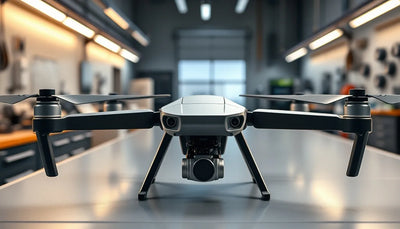
DJI intră pe piața dronelor de transport eVTOL cu aripă fixă: Ghid pentru operatori
DJI a intrat pe piața dronelor de transport eVTOL cu aripă fixă, orientându-se către vehicule logistice de dimensiuni mai mari. Operatorii comerciali și managerii de flotă ar trebui să monitorizeze noile capacități de livrare, deoarece această evoluție ar putea influența cererea pentru drone DJI second-hand și pentru serviciile profesionale de reparații.

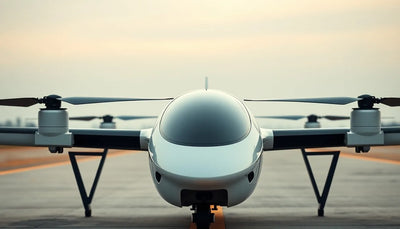
DJI a intrat oficial pe piața dronelor de transport eVTOL (decolare și aterizare verticală electrică) cu aripă fixă, conform unui raport recent publicat de Aviation Week. Pentru operatorii comerciali de drone, managerii de flotă și cumpărătorii de pe piața second-hand DJI, acest pas reprezintă o extindere semnificativă a portofoliului de produse DJI dincolo de platformele multirotor deja consacrate. Deși specificațiile tehnice complete nu au fost încă făcute publice, simpla intrare pe piață are implicații imediate asupra planificării flotei, a serviciilor de reparații și a evaluării echipamentelor second-hand.
Această dezvoltare sugerează că DJI intenționează să concureze direct cu furnizori de drone logistice consacrați, precum Wingcopter, Autel și diverse startup-uri de transport UAV din China și Occident. Pentru sectorul comercial UAV, tranziția de la multirotoarele pentru consumatori sau prosumatori către proiecte eVTOL cu aripă fixă, mai mari și cu rază de acțiune extinsă, deschide noi posibilități pentru livrarea coletelor, aprovizionarea la distanță și logistica industrială. În același timp, apar întrebări practice privind investițiile actuale în flote, disponibilitatea pieselor de schimb și capacitățile de reparații pentru generația actuală de drone DJI.
Ce înseamnă concret intrarea pe piață
Raportul Aviation Week confirmă faptul că DJI dezvoltă și testează în prezent o dronă de transport eVTOL cu aripă fixă, fără a dezvălui însă numele modelelor, capacitatea de ridicare sau prețurile. Este evident că DJI își valorifică expertiza existentă în controlul zborului, managementul bateriilor și capacitatea de producție la scară industrială pentru a intra într-o categorie dominată de platforme logistice specializate. Pentru comparație, majoritatea dronelor eVTOL de transport de pe piața actuală transportă sarcini utile între 2 kg și 20 kg pe distanțe de 20–100 km. Intrarea companiei DJI sugerează că aceasta consideră existența unui volum comercial viabil în segmentul superior al acestui interval.
Industrial drone procurement
Source a brand-new industrial drone for this mission.
Discuss mission fit, aircraft model, quantities, configuration, pickup, and lifecycle support with Reboot Hub.

Din perspectiva informațiilor comerciale, momentul contează. Până la mijlocul 2026,, multe jurisdicții au început să perfecționeze reglementările dincolo de linia vizuală (BVLOS), iar operatorii de logistică evaluează în mod activ flotele de drone pentru livrarea pe ultimul kilometru și pe cel mijlociu. Intrarea lui DJI ar putea accelera standardizarea flotei în jurul ecosistemului său, similar cu ceea ce s-a întâmplat în sectoarele de fotografie pentru consumatori și prosumer. Liderii operaționali cu flote DJI existente le poate considera mai ușor să integreze noi drone de marfă cu aripi fixe prin controlere familiare, platforme software precum DJI Pilot sau DJI FlightHub și rețele de dealeri existente.
Pentru cumpărătorii de pe piața second-hand DJI, acest anunț reprezintă un potențial semnal de hedging. Pe măsură ce DJI își redirecționează resursele de R&D către platforme mai mari, disponibilitatea pe termen lung a pieselor noi pentru modelele multirotor mai vechi ar putea deveni incertă. Acest lucru nu implică o penurie imediată, însă operatorii de flotă prudenți ar trebui să ia în considerare stocarea pieselor de schimb critice sau evaluarea serviciilor profesionale de reparații DJI specializate în componente recuperate de pe unități OEM, pentru a asigura suport extins pentru echipamentele existente.
Impactul asupra planificării flotei și a piețelor second-hand
Analiza Reboot Hub: Când un jucător major precum OEM intră pe un nou segment de piață, piața secundară pentru modelele sale anterioare trece adesea printr-o perioadă de ajustare a prețurilor. Introducerea dronelor de transport eVTOL cu aripă fixă ar putea reduce cererea pentru soluțiile multirotor de transport mai vechi și cu rază de acțiune mai scurtă, în special în rândul firmelor de logistică care prioritizează autonomia și rezistența în zbor. Acest lucru poate crea oportunități de achiziție pentru operatorii care au nevoie de drone multirotor fiabile pentru sarcini unde ridicarea verticală și capacitatea de hover sunt esențiale — cum ar fi inspecțiile aeriene, topografia și agricultura de precizie.
Pentru piața second-hand DJI, efectul va fi probabil gradual. Operatorii de flote corporative mai mari ar putea începe să elimine treptat dronele mai vechi Matrice 300/350 sau Mavic 3 Enterprise, pe măsură ce evaluează noile opțiuni cu aripă fixă. Aceste unități uzate, dacă sunt inspectate și documentate corect, pot reprezenta o valoare considerabilă pentru operatorii mici și medii care doresc să își extindă flota fără costurile de capital aferente echipamentelor noi. Cumpărătorii care caută drone DJI second-hand ar trebui să monitorizeze această tranziție ca pe o fereastră de oportunitate pentru a achiziționa modele cu specificații superioare la prețuri reduse.
Considerentele privind serviciile de reparații evoluează, de asemenea. Dronele eVTOL cu aripă fixă necesită, în general, întreținere specializată: reparații ale structurii din materiale compozite, service pentru trenul de aterizare și calibrări ale motoarelor/ESC care diferă de cele pentru multirotoare. Atelierele de reparații independente care se concentrează pe multirotoarele DJI ar putea avea nevoie de investiții în noi scule și instruire. Între timp, centrele de service autorizate DJI își vor extinde probabil capacitățile. Pentru operatorii care utilizează un mix de active multirotor și cu aripă fixă, găsirea unui furnizor unic capabil să deservească ambele tipuri va deveni din ce în ce mai valoroasă.
Ce înseamnă acest lucru pentru cumpărătorii de drone
Pentru orice cumpărător de drone — fie că este vorba de o afacere de fotografie, o firmă de topografie sau un startup de logistică — concluzia principală este că segmentul dronelor de transport urmează să devină mai competitiv. Intrarea companiei DJI aduce cu sine încrederea în brand, o distribuție extinsă și o maturitate software de care majoritatea startup-urilor sunt lipsite. Cumpărătorii se pot aștepta ca modelul eVTOL cu aripă fixă de la DJI să aibă un preț competitiv față de dronele de transport de gamă medie existente, cu un accent puternic pe integrarea în ecosistem.
Cu toate acestea, primii utilizatori (early adopters) ar trebui să procedeze cu prudență. În absența specificațiilor publicate sau a calendarului de disponibilitate, este prematur să planificez o tranziție a flotei în jurul acestei noi platforme. Abordarea responsabilă constă în monitorizarea continuă a situației, optimizând în paralel flota actuală. Operatorii care dețin mai multe drone DJI ar trebui să se asigure că echipamentele sunt întreținute corespunzător și că au acces la piese de schimb originale OEM. Dacă luați în considerare un upgrade sau un program de trade-in, acesta este momentul optim pentru a consulta un ghid de trade-in pentru drone pentru a înțelege valorile actuale de revânzare înainte ca piața second-hand să sufere modificări.
Un pas concret recomandat: evaluați profilul actual de utilizare a dronelor. Dacă operațiunile dumneavoastră implică zboruri regulate peste 20 km sau necesită sarcini utile ridicate (peste 2 kg), sunteți probabil un client țintă pentru noua platformă cu aripă fixă de la DJI. Dacă misiunile sunt, în general, pe distanțe scurte, dronele multirotor vor rămâne mai practice și mai rentabile. Esențial este ca deciziile să fie bazate pe nevoile operaționale reale, nu pe entuziasmul creat în jurul unei noi categorii de produse care își trebuie încă dovedită viabilitatea comercială.
Implicații operaționale pentru reparații și piese de schimb
Trecerea către dronele eVTOL cu aripă fixă va impune companiei DJI gestionarea unui lanț de aprovizionare mai complex. Aeronavele cu aripă fixă prezintă tipare de uzură diferite — învelișurile aripilor, servo-eleronalele, trenul de aterizare și suporturile motoarelor sunt expuse unui stres ciclic absent în cazul multirotorelor. Atelierele de reparații obișnuite cu înlocuirea unui braț deteriorat pe un Phantom vor trebui să adopte tehnici de reparație pentru materiale compozite. Acest lucru crește necesarul de formare, dar creează totodată o piață pentru servicii de reparații specializate.
Pentru proprietarii de drone DJI existente, vestea bună este că ecosistemul de reparații pentru multirotoare este matur și bine aprovizionat. Chiar dacă DJI se extinde către noi configurații, compania va continua să ofere suport liniilor de produse existente timp de ani de zile. Totuși, pe măsură ce liniile de producție și focusul ingineresc se schimbă, pot apărea mici întârzieri în disponibilitatea pieselor de schimb pentru modelele mai vechi. Pentru a atenua acest risc, managerii de flotă ar trebui să considere constituirea unui mic stoc de piese comune — cum ar fi brațele, seturile de motoare și componentele ESC — pentru dronele utilizate cel mai frecvent. Colaborarea cu un furnizor de reparații care stochează servicii profesionale de reparații DJI și utilizează piese originale provenite din unități OEM poate reduce timpul de inactivitate și poate prelungi durata de viață a flotei actuale.
În final, piața second-hand pentru dronele DJI va rămâne robustă atâta timp cât există un flux fiabil de reparații și piese de schimb. Cumpărătorii de echipamente rulate ar trebui să prioritizeze unitățile cu istoric de întreținere și care au fost inspectate de un centru de service autorizat. Opțiunea de trade-in este, de asemenea, o variantă viabilă pentru modernizare, mai ales dacă plănuiți să vindeți drona actuală în anticiparea achiziției de modele cu aripă fixă. Utilizarea unui ghid de trade-in pentru drone vă poate ajuta să determinați momentul optim și valoarea estimată.
FAQ: Intrarea pe piața dronelor de transport eVTOL cu aripă fixă DJI
Când va fi disponibilă drona de transport eVTOL cu aripă fixă de la DJI?
Nu a fost anunțată nicio dată oficială de lansare sau perioadă de precomandă. Raportul Aviation Week confirmă faptul că DJI a intrat pe piață, însă detaliile complete ale produsului, prețurile și disponibilitatea nu sunt încă publice. Operatorii ar trebui să monitorizeze canalele oficiale DJI pentru actualizări.
Va afecta acest lucru prețurile dronelor DJI second-hand?
Analiza Reboot Hub: Mișcările pieței din sectorul vehiculelor second-hand depind de faptul dacă operatorii mari de flote își vând stocul multirotor existent pentru a finanța achizițiile cu aripi fixe. Orice ajustare a prețurilor ar fi probabil treptată și specifică modelului. Cumpărătorii care caută drone DJI second-hand ar trebui să fie atenți la creșterea ofertei de modele de ultimă generație, cum ar fi seria Matrice 300/350.
Pot software-ul și controlerele existente DJI enterprise să funcționeze cu o dronă cu aripă fixă?
DJI nu a confirmat detaliile de compatibilitate pentru noua platformă. Pe baza lansărilor anterioare de produse, este plauzibil ca drona de marfă să se integreze cu DJI Pilot 2 și, posibil, cu DJI FlightHub, dar acest lucru este speculativ până la eliberarea specificațiilor oficiale.
Surse consultate
- DJI Enters Fixed-Wing eVTOL Cargo Drone Market | Aviation Week - primary source
La momentul publicării, nu era disponibilă documentație oficială suplimentară.
Redacția Reboot Hub oferă analize privind achiziția, reparația, revânzarea și operarea pentru proprietarii de drone. Dacă observați o eroare, contactați-ne pentru revizuirea corecției conform politicii noastre editoriale.
Acest articol reprezintă un comentariu de piață destinat operatorilor și cumpărătorilor de drone, nu un sfat de investiții. Reboot Hub nu oferă consultanță financiară și nu recomandă tranzacții cu instrumente financiare.