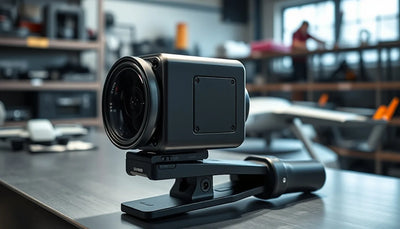
Smart Shooter Lands $150M Ceiling IDIQ for SMASH Counter-Drone Systems
Smart Shooter won a single-award IDIQ contract with a ceiling of up to $150 million for its SMASH counter-drone systems, according to SUAS News. The 36-month framework supports U.S. force protection and base security, signaling sustained defense demand for counter-UAS technology.

Quick answer
Smart Shooter was awarded a single-award IDIQ contract by JIATF-401 for SMASH counter-drone systems, with a ceiling of up to $150 million over 36 months, according to SUAS News.
- The contract establishes a framework for future orders supporting U.S. force protection and base security
- The award is a single-award IDIQ with a ceiling of up to $150 million
- The performance period spans 36 months
- SUAS News is the primary reporting source for this development
Evidence: SUAS News · AeroVironment unmanned systems solutions · FAA UAS official guidance · DIU Blue UAS
Fleet readiness
Keep DJI hardware available without overbuying new units.
Use defense and fleet news as a planning signal for repair support, inspected pre-owned aircraft, and replacement timing.

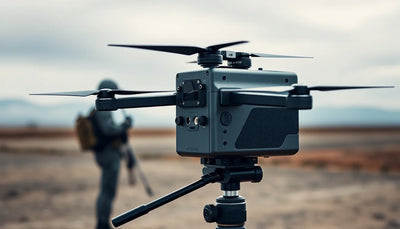
Smart Shooter has been awarded a single-award IDIQ contract by JIATF-401 for its SMASH counter-drone systems, with a ceiling of up to $150 million, according to a report by SUAS News. The 36-month contract establishes a framework for future orders to support U.S. force protection and base security. While the announcement does not specify immediate delivery quantities, the ceiling value signals a substantial, multi-year commitment to counter-UAS capability at the tactical level.
For commercial drone operators, fleet managers, and buyers watching the defense-adjacent market, this award is a meaningful data point. It confirms that counter-drone procurement is moving from pilot programs and urgent fielding toward structured, long-term contracting vehicles. That shift has implications for airspace access, technology spillover, and the broader conversation about how unmanned systems are managed in sensitive environments.
The contract structure and what it actually tells us
An IDIQ — Indefinite Delivery, Indefinite Quantity — contract does not guarantee that the full $150 million ceiling will be obligated. Instead, it creates a pre-negotiated framework under which task orders can be issued over the 36-month performance period. SUAS News reports that the award is a single-award IDIQ, meaning Smart Shooter is the sole vendor positioned to receive those task orders under this vehicle. That exclusivity is notable in a counter-UAS market that has seen intense competition among multiple vendors.
Reboot Hub analysis: From a procurement perspective, this structure allows JIATF-401 to move quickly when units identify counter-drone requirements. Rather than running a new competition for each purchase, the task order mechanism shortens lead times and standardizes the technology baseline. For operators and industry observers, the practical takeaway is that SMASH systems are likely to appear in greater numbers across U.S. force protection sites over the next three years, even if the exact pace of fielding remains uncertain.
Why counter-drone spending keeps climbing
The proliferation of small, inexpensive unmanned aircraft has created an asymmetric challenge for military installations, critical infrastructure, and public events. Commercial off-the-shelf drones are widely available, easy to modify, and difficult to detect with traditional air defense systems designed for larger, faster threats. That mismatch has driven sustained investment in purpose-built counter-UAS tools like the SMASH family, which SUAS News identifies as the subject of this award.
Reboot Hub analysis: this procurement trend reflects a broader reality that commercial drone operators already understand — the accessibility of capable small UAS has forced security planners to rethink perimeter defense. While the SMASH contract is defense-specific, the underlying market pressure is the same one shaping civilian counter-drone discussions at airports, stadiums, and correctional facilities. Operators flying near sensitive sites should expect detection and mitigation systems to become more common, not less.
What this means for drone owners and the market
For individual drone owners and commercial fleet operators, a $150 million counter-drone contract does not change FAA rules or local airspace restrictions overnight. But it does reinforce the direction of travel: security agencies are investing heavily in the ability to detect, track, and neutralize unauthorized drones. Pilots who operate near military bases, federal facilities, or other restricted areas should assume that counter-UAS sensors are present, even when they are not visible. Responsible flight planning, geofence awareness, and strict adherence to airspace authorizations remain the most effective ways to avoid becoming a case study.
The second-order effect is on the broader unmanned systems market. Defense counter-drone programs often accelerate sensor miniaturization, target tracking software, and optical fire control development. Some of that technology eventually filters into commercial applications, from collision avoidance to automated inspection workflows. For buyers evaluating pre-owned DJI drones or planning fleet upgrades, the defense sector's counter-UAS spending is a reminder that the regulatory and security environment around commercial drones is still maturing. Operators who want to understand how airspace policy and detection technology are evolving can consult the Drone Wiki for plain-language background on the systems and rules shaping the industry.
There is also a subtle market signal here for the second-hand drone segment. As counter-drone enforcement becomes more visible, some casual users may exit the hobby, while professional operators become more disciplined about compliance. That dynamic can influence the supply of pre-owned aircraft entering the resale market. For buyers, it underscores the value of purchasing inspected pre-owned units with verifiable history, particularly if they intend to operate near regulated airspace where documentation and accountability matter. For owners evaluating service and lifecycle risk, Drone Wiki explains the relevant repair, parts, resale, or operational path.
What to watch next
The most important near-term development will be the first task orders issued under this IDIQ. Those orders will reveal the specific SMASH configurations being procured, the quantities involved, and the units or installations receiving the systems. SUAS News has not yet reported those details, and Reboot Hub has not independently confirmed additional specifics beyond the award announcement. Operators and industry analysts should monitor JIATF-401 activity and Smart Shooter's public statements for follow-on information.
Another signal to watch is whether this single-award structure becomes a template for other counter-UAS procurement efforts. If it does, expect more vendors to pursue IDIQ vehicles as a way to secure long-term demand visibility. That would further entrench counter-drone capability as a standard component of base security planning, with implications for how commercial drone operations are perceived and regulated in proximity to defense infrastructure.
FAQ
Frequently asked questions
What is an IDIQ contract?
An IDIQ, or Indefinite Delivery, Indefinite Quantity contract, is a procurement vehicle that establishes terms and pricing under which task orders can be issued over a set period. It does not guarantee that the full ceiling value will be spent.
Who awarded Smart Shooter this contract?
According to SUAS News, the contract was awarded by JIATF-401, a U.S. organization focused on force protection and base security. The award is a single-award IDIQ with a 36-month performance period.
Does this contract affect commercial drone pilots?
Not directly, but it signals that counter-drone detection and mitigation systems are becoming more common at U.S. military installations. Commercial pilots should remain diligent about airspace authorizations and avoid flying near restricted defense sites.
Which sources support this update?
The visible evidence links identify SUAS News and AeroVironment unmanned systems solutions and FAA UAS official guidance and DIU Blue UAS; each source is used only for the claim it directly supports.
What remains subject to change?
Retail pricing, availability, product bundles and regulatory timelines can change. Readers should verify the latest terms with the named retailer, manufacturer or regulator before acting.
How should buyers or operators use this analysis?
Use the verified facts as a starting point, then compare mission fit, lifecycle support, maintenance needs and current procurement terms before making a purchase or fleet decision.
Fontes consultadas
- SUAS News - primary source
- AeroVironment unmanned systems solutions - official company source
- FAA UAS official guidance - official regulator source
- DIU Blue UAS - official government source
O Editorial Reboot Hub acrescenta análises de compra, reparação, revenda e operacionais para proprietários de drones. Se detetar um erro, contacte-nos para a revisão da correção através da nossa política editorial.