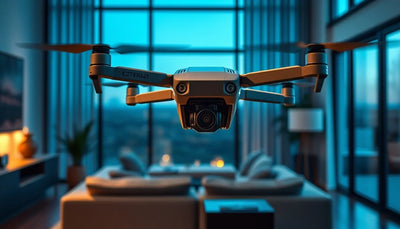
DJI Prototype Leak Points to Hybrid 360 and Gimbal Camera on Avata-Style Airframe
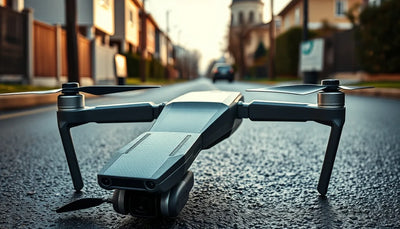
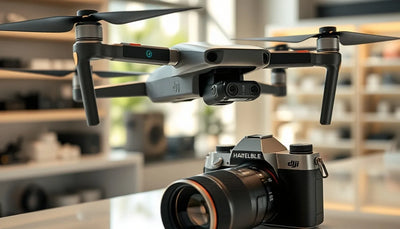
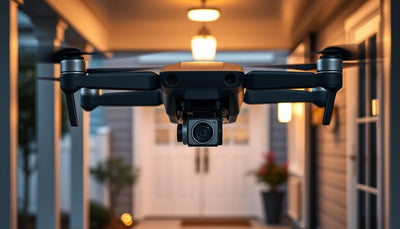
A newly surfaced DJI prototype leak points to an Avata-style drone carrying a hybrid 360 and gimbal camera module. The report suggests DJI is testing a more flexible imaging payload for compact FPV-class airframes, with direct implications for commercial operators and pre-owned DJI buyers.

Quick answer
A DJI prototype leak reported by Google News DJI shows an Avata-style drone fitted with a hybrid 360 and gimbal camera module, indicating DJI is testing a new compact imaging payload.
- The leak points to an Avata-style airframe with a hybrid 360 and gimbal camera
- The report does not confirm a production model, launch date, or official specifications
- Commercial operators should treat the leak as an early signal, not a procurement trigger
- The development could influence future pre-owned Avata pricing and demand as buyers weigh current models against potential successors
A new DJI prototype leak has surfaced through Google News DJI, showing what appears to be an Avata-style drone carrying a hybrid 360 and gimbal camera module. The report, which is the primary source for this analysis, describes the development as a "NEW CAMERA" direction for DJI's compact FPV-class platform. No official confirmation, production timeline, or technical specification accompanied the leak.
DJI buying context
Match product news to hardware you can actually deploy.
Check inspected DJI aircraft, repair support, and trade-in timing before deciding whether to upgrade, repair, or wait.

For commercial operators, fleet buyers, and repair customers, the significance lies less in the prototype itself and more in what it signals about DJI's imaging roadmap. A hybrid 360 and gimbal payload on an Avata-style airframe would represent a meaningful departure from the fixed wide-angle camera setup that has defined the current Avata line. Reboot Hub analysis suggests this kind of modular or hybrid imaging approach could reshape how buyers evaluate compact DJI platforms over the next product cycle.
What the leak actually shows
According to the Google News DJI report, the prototype combines a 360-degree capture system with a gimbal camera on an airframe that resembles the Avata. The source does not provide sensor resolution, gimbal axis counts, stabilization modes, or any confirmed compatibility details. That absence of verified specification data is important: it means the leak is best understood as an early design signal rather than a near-production product reveal.
The practical implication for operators is straightforward. If DJI is exploring hybrid 360 and gimbal imaging on a compact FPV-style body, the company appears to be testing whether a single small airframe can serve both immersive capture and stabilized directional shooting. That flexibility would matter for inspection teams, content producers, and public safety units that currently run separate camera drones for different capture types. Still, without confirmed specs, any operational planning tied to this leak should remain provisional.
What this means for drone buyers
Buyers evaluating the current Avata platform should not delay purchases based on an unconfirmed prototype. The leak does not establish a launch date, a model name, or even whether the hybrid camera will reach production. What it does establish is that DJI continues to invest in compact FPV-class imaging, which historically has meant that existing models remain viable for years while newer payloads gradually enter the market. For buyers comparing ownership options, Pristine Pre-Owned DJI Avata provides a practical next step for model, condition, and replacement timing.
For operators who need a proven compact drone now, the current Avata remains a known quantity with established repair paths and spare parts availability. For those considering a pre-owned unit, the leak introduces a longer-term question: will a future hybrid camera model compress resale values for the existing Avata, or will the current fixed-camera design hold value as a simpler, lower-cost platform? Reboot Hub analysis leans toward the latter scenario in the near term, since production timelines for leaked prototypes are typically long and uncertain. Buyers looking for a dependable entry into the Avata ecosystem can still find value in a pristine pre-owned DJI Avata while the market digests what the prototype might eventually become.
Reboot Hub analysis: Fleet managers should also weigh the repair and parts dimension. A hybrid 360 and gimbal module would likely introduce new failure points, new calibration requirements, and new spare part categories. For organizations that standardize on a single compact airframe, that could mean higher maintenance complexity down the line. The current Avata's simpler camera architecture, by contrast, is well understood by independent repair shops and parts suppliers.
Market and resale implications
The pre-owned DJI market tends to react to product leaks in two stages. First, there is a short period of speculative price softening as some sellers anticipate a successor. Second, if no production model appears quickly, prices stabilize and often recover as buyers return to the available inventory. The Google News DJI report does not include any indication of an imminent launch, which suggests the market is still in the first, speculative stage.
Reboot Hub analysis: For repair customers, the leak is a reminder that camera module design is becoming a more active area of DJI development. A hybrid 360 and gimbal payload would likely be more expensive to replace than a fixed camera module, and it could require specialized calibration after impact damage. Operators who fly in high-risk environments should factor that potential cost shift into their long-term procurement assumptions, even if the current Avata remains the only confirmed option today.
The broader commercial signal is that DJI is not standing still on compact FPV-class imaging. Whether the hybrid camera reaches production or not, the company's willingness to test new payload architectures suggests continued pressure on competitors and continued evolution in what small drones can capture. For buyers, that is a reason to keep fleet refresh cycles flexible rather than a reason to freeze spending.
What operators should do now
The most defensible operator response to this leak is to treat it as an informational signal, not an operational directive. Continue flying and maintaining current Avata units, monitor DJI's official channels for any production confirmation, and avoid making large fleet commitments based on an unverified prototype. If a hybrid 360 and gimbal model does eventually launch, the transition will be easier for operators who have kept their current platforms in good repair and maintained predictable depreciation schedules.
For buyers entering the Avata ecosystem today, the practical question is whether the current camera meets the mission. If it does, there is no operational reason to wait for an unconfirmed successor. If the mission specifically requires 360 capture or stabilized gimbal work, the current Avata was never the right tool, and the leak does not change that. The report simply adds a new variable to watch in DJI's compact drone roadmap.
FAQ
Frequently asked questions
Is the hybrid 360 and gimbal camera drone confirmed by DJI?
No. The Google News DJI report describes a prototype leak, and no official DJI confirmation, production model, launch date, or specification has been announced.
Should I wait to buy an Avata because of this leak?
Probably not. Prototype leaks do not establish production timelines, and the current Avata remains a proven platform with established repair and parts support. Buyers with an immediate operational need should evaluate the current model on its own merits.
How could this leak affect pre-owned DJI Avata prices?
In the short term, speculative pressure could soften some asking prices, but without a confirmed successor, pre-owned values typically stabilize. The current Avata's simpler fixed camera design may also retain appeal for operators who prioritize lower repair complexity.
Which sources support this update?
The article distinguishes reported information from analysis and does not present an unverified source as official confirmation.
What remains subject to change?
Retail pricing, availability, product bundles and regulatory timelines can change. Readers should verify the latest terms with the named retailer, manufacturer or regulator before acting.
How should buyers or operators use this analysis?
Use the verified facts as a starting point, then compare mission fit, lifecycle support, maintenance needs and current procurement terms before making a purchase or fleet decision.
Fontes consultadas
- NEW CAMERA via Google News - primary source
Não estava disponível documentação oficial adicional no momento da publicação.
O Editorial Reboot Hub acrescenta análises de compra, reparação, revenda e operacionais para proprietários de drones. Se detetar um erro, contacte-nos para a revisão da correção através da nossa política editorial.