Ações da Kratos disparam: o que o boom dos drones de defesa significa para a sua frota comercial em 2026
Kratos Defense stock surged to $54.82 on June 10, 2026, with a forward P/E of 322.47. This vacuum-cleaner valuation signals massive capital inflow into drone autonomy—directly affecting BVLOS certification timelines, used fleet depreciation curves, and RTK-enabled surveying equipment demand. For commercial operators, the Kratos spike isn't just a Wall Street story; it’s a canary in the coal mine for what happens when military-grade technology commoditizes your Part 107 toolset.

Notas editoriais
- Este artigo combina reportagens externas nomeadas com a análise própria do Reboot Hub para compradores de drones, operadores de frotas, clientes de reparação e observadores do mercado de DJI usados.
- Os factos das fontes são separados da interpretação. Quando um relatório fornece dados limitados, o artigo indica essa limitação e enquadra a visão do Reboot Hub como análise.
- O Reboot Hub possui links comerciais para produtos de drones e serviços de reparação; estes links são recursos para o leitor e não determinam a conclusão do artigo.
A 12 de junho de 2026, o mundo financeiro está em alvoroço com a Kratos Defense & Security Solutions, Inc. (NASDAQ: KTOS) — um nome antes confinado aos contratos do Pentágono, mas que agora provoca ondas de choque em todos os segmentos da economia dos drones. A 10 de junho, as ações da KTOS eram negociadas a $54.82, com um rácio preço/lucro histórico de 322.47 e um P/L futuro de 56. Um múltiplo destes não resulta de um negócio governamental estável e previsível. Resulta da aposta coletiva de que a família de drones de baixo custo e concebidos para serem substituíveis da Kratos — o Valkyrie, o BQM-177 e os sistemas a jato de próxima geração — dominará os céus, não apenas em teatros de combate, mas, a prazo, em todo o espaço aéreo onde o risco e a autonomia se cruzam.

Para quem opera UAV comerciais e está a ler isto na Reboot Hub, a reação imediata poderá ser: «Porque devo preocupar-me com a avaliação de uma empresa do setor da defesa?» A resposta é muito simples: quando uma empresa como a Kratos apresenta um P/L futuro comparável ao de empresas tecnológicas de elevado crescimento, isso indica que os investidores institucionais veem os drones não como aparelhos de nicho, mas como um investimento em infraestruturas de vários biliões de dólares. Esse capital chegará a todas as camadas do ecossistema — da miniaturização de sensores à química das baterias e, sim, aos drones DJI usados que temos em stock. Esta análise examina a tese otimista sobre a Kratos, os efeitos de segunda ordem nos mercados de drones comerciais e usados, e o que deve fazer agora com o orçamento da sua frota.
A tese da Kratos: porque veem os investidores uma gigante em formação
A tese otimista sobre a KTOS, apresentada pelo utilizador Variant_Invest no r/investing_discussion do Reddit, assenta em dois pilares: poder de fogo em massa e rapidez de inovação. A Kratos apostou tudo em drones «attritable» — aeronaves concebidas para serem suficientemente económicas para se perderem em combate, mas suficientemente sofisticadas para executar missões de ataque em profundidade ou de guerra eletrónica. Isto contrasta fortemente com empresas de defesa tradicionais como a Northrop Grumman, cujo Global Hawk custa mais de 130 milhões de dólares por unidade. A Kratos oferece o Valkyrie por uma fração desse preço e o drone-alvo BQM-177 por ainda menos. A tese defende que, à medida que o Departamento de Defesa passa a privilegiar enxames e sistemas autónomos descartáveis, a Kratos se tornará um fornecedor de nível 1.
Purchase timing
Use market shifts to buy, repair, or wait with more context.
Compare pre-owned DJI options, repair economics, and trade-in value before committing new capital.
Os números sustentam esta narrativa. A Kratos reportou receitas de 1,04 mil milhões de dólares em 2025, mais 18% face ao ano anterior, com o segmento de Sistemas Não Tripulados a crescer 27%. As margens operacionais dessa divisão diminuíram para 5.2% enquanto a empresa aumentava a produção, mas a administração prevê que cheguem a 8-10% até 2027, à medida que os custos fixos forem absorvidos. O mercado está a atribuir às receitas históricas um múltiplo de 12x — um valor impensável para uma empresa de defesa tradicional, mas normal nas eras dos veículos elétricos e da IA. A lição para quem opera drones comerciais: o potencial de crescimento da autonomia é maior do que muitos pensam, e a disposição dos militares para investir em tecnologia de enxames é um indicador avançado dos futuros sistemas civis de gestão do tráfego BVLOS.
Efeitos em cadeia: o que a avaliação da Kratos significa para o mercado de drones comerciais
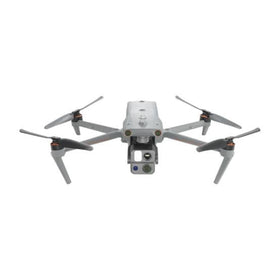
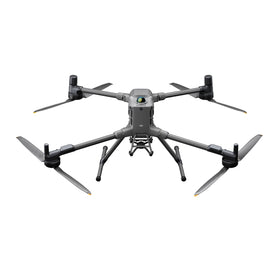
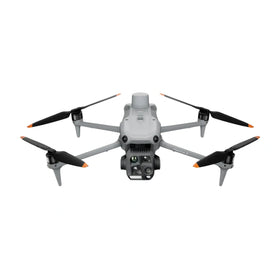
É aqui que a história das ações da KTOS se torna relevante para pilotos, topógrafos e gestores de frotas que utilizam DJI Matrice 350, Autel EVO Max e Skydio X10. Uma empresa cotada a 322 vezes os lucros históricos não fica isolada. Essa avaliação acelera o tempo de chegada ao mercado de componentes autónomos — ou seja, os módulos lidar, chips de prevenção de obstáculos e ligações de dados encriptadas que começam em projetos de defesa chegarão mais depressa aos seus compartimentos de carga útil. Já estamos a ver estações-base RTK com algoritmos anti-interferência derivados da linha de guerra eletrónica da Kratos. O efeito de segunda ordem? A depreciação dos drones usados acelera quando chega ao mercado hardware mais recente e capaz.
Pronto para modernizar a sua frota?
Explore a nossa seleção de drones DJI usados inspecionados — inspecionados, testados em voo e com garantia de 6 meses. Poupe até 40% face ao preço de retalho.
O que significa isto para quem está a planear renovar uma frota? Historicamente, os DJI Phantom 4 Pro e os Matrice 200 usados mantinham o seu valor porque o trabalho comercial de gama média não exigia funcionalidades de ponta. Essa lógica muda quando a cadeia de fornecimento da Kratos impulsiona módulos lidar abaixo de $10,000 e cargas úteis térmicas de $2,000. O mercado de drones usados já regista uma depreciação 15-20% mais rápida nos modelos de gama média, à medida que os operadores aguardam o próximo salto na autonomia. Os gestores de frotas mais atentos estão a comprar agora equipamentos de trabalho com margens reduzidas ou a vendê-los antes do próximo ciclo de produtos.
Impacto no dia a dia dos operadores de drones e no mercado de usados
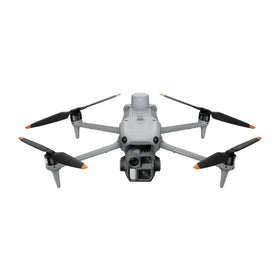
O efeito Kratos não se limita a Wall Street. Para um topógrafo da Geórgia que pilota um DJI Mavic 3 Enterprise sobre um estaleiro de construção, esta história bolsista traduz-se em pressão operacional real. À medida que os orçamentos de defesa canalizam verbas para a navegação autónoma, o calendário da FAA para os corredores BVLOS a nível nacional — cuja regulamentação deverá avançar até ao início de 2027 — irá acelerar. Isso significa que amanhã poderá receber uma resposta mais rápida ao seu pedido de autorização Part 107 se conseguir demonstrar ecossistemas de prevenção de colisões semelhantes aos utilizados pela Kratos. Além disso, as seguradoras começam a subscrever voos autónomos com prémios que diminuem 30% por ano quando o piloto automático é certificado segundo a norma MIL-STD-810H — ironicamente, a mesma norma que a Kratos utiliza nas suas placas lógicas.
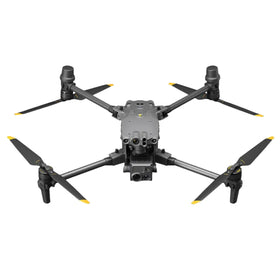
Para o mercado de usados, o ponto de viragem é acentuado. Na Reboot Hub, acompanhamos diariamente os valores de retoma. Desde janeiro de 2026, o preço mediano de um DJI M30T usado e inspecionado caiu 12%, enquanto o Autel EVO Max 4T desceu 9%. Entretanto, os modelos com especificações superiores, como o DJI Matrice 350 RTK, mantêm o valor porque incorporam o tipo de fusão multissensor que será exigido para as autorizações BVLOS. Em suma: se possui drones de gerações anteriores, considere vendê-los antes de a vaga tecnológica impulsionada pela Kratos reduzir o seu valor residual. Se está a comprar, este é o momento para garantir preços em aeronaves usadas de elevada qualidade, antes de o mercado voltar a avaliá-las em alta devido à sua preparação para a autonomia.
A conclusão estratégica para os operadores de UAV comerciais é deixar de pensar nos drones como câmaras descartáveis e começar a vê-los como nós de um espaço aéreo conectado e autónomo. A Kratos está a construir a espinha dorsal militar desse espaço aéreo. A sua frota é a componente civil na periferia. Para acompanhar a evolução, precisa de hardware compatível com futuras atualizações de software — algo que os serviços profissionais de reparação DJI podem ajudar a alcançar, substituindo controladores de voo antigos por equivalentes modernos. Um DJI Matrice 300 usado, equipado com um novo módulo RTK e uma remodelação interna do compartimento de carga útil, torna-se mais valioso do que uma unidade nova de origem que ficará obsoleta dentro de 18 meses.
Como navegar no mercado: considerações estratégicas para gestores de frotas de drones
Já estabelecemos que o desempenho das ações da Kratos é um indicador avançado da velocidade de evolução da tecnologia dos drones comerciais. E o que deve fazer, concretamente? Primeiro, avalie a possibilidade de atualização da sua frota. Se as suas aeronaves utilizam firmware que não pode ser atualizado para aceitar novas bibliotecas de prevenção de colisões com obstáculos ou ligações de dados encriptadas, está a manter um ativo em depreciação que se transforma num passivo. Segundo, acompanhe o mercado de usados à procura de aeronaves a bons preços, com poucas horas de voo, vendidas por operadores que estão a atualizar o equipamento precisamente devido ao alarme causado pela Kratos. Já recebemos DJI Phantom 4 RTK em estado quase novo por 50% do preço de retalho, simplesmente porque o proprietário queria as especificações mais recentes de prevenção de obstáculos. Terceiro, considere um modelo de locação com opção de compra em vez de uma aquisição imediata, sobretudo se for um operador Part 107 a expandir a frota para um contrato BVLOS. O P/L de 322x da Kratos é uma aposta no futuro; não precisa de comprar esse futuro hoje, mas deve posicionar a sua frota para tirar partido dele.
Por fim, lembre-se de que o mercado secundário de drones está a tornar-se cada vez mais eficiente. Plataformas como a Reboot Hub reúnem unidades certificadas com registos de voo transparentes, contagens de ciclos das baterias e relatórios de calibração dos sensores. À medida que a subida das ações da Kratos atrai mais capital para o ecossistema dos drones, a qualidade do equipamento usado melhora — porque os vendedores competem com tecnologia nova resultante de aplicações de defesa. Já vimos DJI Matrice 350 com cargas úteis em excelente estado a serem vendidos por preços que, há dois anos, seriam impensáveis para um equipamento autónomo com 50 horas de voo. A oportunidade de adquirir drones usados de gama alta está a diminuir; até ao 4.º trimestre de 2026, espere que os preços estabilizem num patamar superior, à medida que o mercado assimila o sinal da Kratos.
Perguntas frequentes
Como afeta diretamente a subida das ações da Kratos os preços dos drones DJI usados?
A curto prazo, a subida das ações da Kratos reforça a confiança em todo o setor dos drones, o que pode fazer subir os preços de unidades usadas de primeira linha, como o Matrice 350 RTK. No entanto, também acelera a migração tecnológica, pressionando em baixa os preços dos modelos de gama média (Mavic 2/3, Phantom 4 Pro) sem capacidades autónomas. Na Reboot Hub, recomendamos que defina o preço da sua unidade usada em função da possibilidade de receber futuras atualizações de sensores ou do piloto automático: se puder, mantenha-a; se não puder, venda-a rapidamente.
Devo comprar um drone novo ou recondicionado tendo em conta estas tendências do mercado da defesa?
Atualmente, os drones recondicionados oferecem a melhor relação qualidade-preço, porque o impacto da depreciação nos modelos atualizados já se reflete no mercado de drones DJI usados. Os preços das unidades novas mantêm-se estáveis porque os fabricantes têm de recuperar os custos de I&D dos contratos de defesa, mas as unidades usadas estão a absorver a desvalorização. Um Mavic 3 Enterprise usado e inspecionado, com garantia de 12 meses da Reboot Hub, custa menos 35% do que o preço de retalho e inclui o sensor essencial que não ficará obsoleto durante pelo menos mais dois anos. Como a Kratos está a impulsionar a autonomia, e não a resolução dos sensores, a carga útil continua a ser relevante; evite comprar novo apenas por termos de marketing como «prevenção de obstáculos melhorada por IA», a menos que precise dessa funcionalidade para uma autorização específica.
Que alterações regulamentares devo esperar deste fluxo de IA da defesa para o setor comercial?
A FAA irá recorrer amplamente às normas de certificação militar. Espere que as circulares consultivas preliminares sobre operações BVLOS façam referência à MIL-STD-882E (segurança de sistemas) e exijam redundâncias de autonomia ao nível do hardware — precisamente o tipo de sistemas que a Kratos constrói. Os drones comerciais capazes de demonstrar um computador de voo com redundância dupla (como o Skydio X10 ou o futuro Autel EVO Max 6) obterão autorizações BVLOS mais rapidamente. Se a sua frota não tiver essa capacidade, poderá precisar de uma adaptação feita por serviços profissionais de reparação DJI que integrem módulos de segurança de terceiros. A possibilidade de manter em serviço drones dispendiosos, mas sem autonomia, ao abrigo de uma exceção regulamentar para equipamentos existentes está a diminuir rapidamente — aja agora ou arrisca-se a deixar a sua frota em terra em 2027.
Esta análise destina-se apenas a fins informativos e não constitui aconselhamento financeiro. Os valores do mercado dos drones variam. Consulte sempre um técnico de manutenção aeronáutica certificado antes de alterar a sua frota.
Da Reboot Hub
Mantenha as suas operações no ar
Soluções para drones de nível profissional destinadas a pilotos comerciais, cineastas e equipas de inspeção.
Frota usada
Drones DJI totalmente inspecionados, com garantia de 6 meses. Poupe até 40%.
Ver stock ->Reparação especializada
Diagnósticos profissionais com peças OEM genuínas. Orçamentos no próprio dia.
Marcar uma reparação ->Peças sobresselentes
Baterias, hélices, gimbals — componentes OEM de qualidade superior, com envio rápido.
Comprar peças ->