JetBlue Drone Strike Near JFK: What Buyers and Operators Need to Know
A JetBlue crew reported a drone strike at 3,000 feet near JFK—no damage, but the incident sends a clear signal for drone buyers, fleet managers, and repair customers to prioritize compliance, genuine parts, and rigorous maintenance.

Notas editoriais
- Este artigo combina reportagens externas nomeadas com a análise própria do Reboot Hub para compradores de drones, operadores de frotas, clientes de reparação e observadores do mercado de DJI usados.
- Os factos das fontes são separados da interpretação. Quando um relatório fornece dados limitados, o artigo indica essa limitação e enquadra a visão do Reboot Hub como análise.
- O Reboot Hub possui links comerciais para produtos de drones e serviços de reparação; estes links são recursos para o leitor e não determinam a conclusão do artigo.
A JetBlue pilot reported a drone strike at approximately 3,000 feet on final approach to John F. Kennedy International Airport around 7:15 a.m. EDT on Monday, June 29. The Airbus A321 landed safely six minutes later, and a post-flight inspection found no damage and no debris. While the drone model and owner remain unknown, the incident is a clear reminder for every drone buyer, fleet operator, and repair customer that operational reliability and compliance are non-negotiable.

Immediate implications for operators
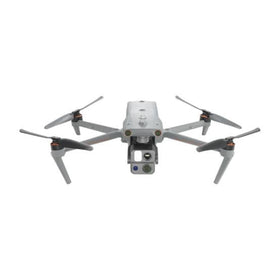
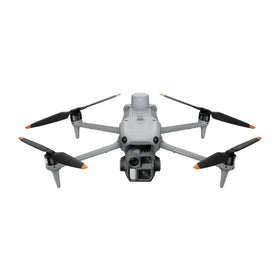
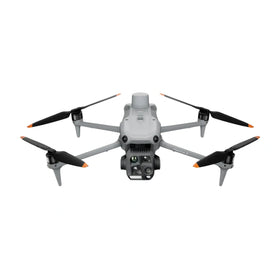
The most direct lesson from this event is the importance of geofencing, altitude limits, and firmware compliance. The Federal Aviation Administration has long restricted drone flights near airports, and this reported strike, even without damage, puts renewed focus on enforcement. Operators who rely on consumer drones with basic geofencing may face increased scrutiny. For those flying enterprise drones such as the DJI Matrice 4E or Matrice 4T—both listed with a 49-minute maximum flight time under standard propellers—the stakes are higher because of their longer endurance and potential to reach higher altitudes.
Fleet managers should audit their drones' firmware to ensure that airport no-fly zones are accurately loaded and that Remote ID is active. The incident also underscores the value of ADS-B receivers aboard aircraft, but since the airliner detected no debris, it is unclear if the drone had any collision-avoidance technology. In any case, operators should treat this as a real-world signal that even a no-damage strike can trigger an investigation and potential liability.
What this means for drone buyers
Buyers evaluating new or used drones should prioritize models with verified safety features and a clear maintenance history. The incident near JFK may accelerate demand for drones that are well-documented, fully updated, and backed by reliable support channels. When purchasing, consider whether the drone's firmware and geofencing can be updated to the latest standards. For buyers looking for confidence without the risk of unknown provenance, certified refurbished DJI drones offer a verified path—each unit is tested, firmware-updated, and carries a warranty.
Commercial drone planning
Build the next fleet step around inspected hardware and serviceable parts.
Use Reboot Hub to compare certified DJI drones, repair options, and OEM components before the market moves again.
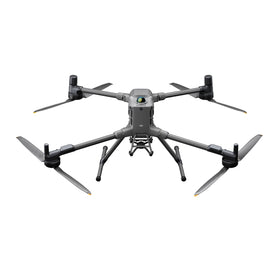
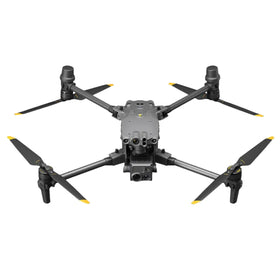
For enterprise buyers, the available flight-time data from the DJI Matrice series shows consistent performance: the Matrice 4D and 4TD achieve 54 minutes with standard propellers and no payload, while the Matrice 400 reaches 59 minutes when flown with the H30T at 10 m/s to zero battery. These numbers matter because longer flights increase exposure to airspace risk. A buyer should cross-reference endurance claims with real-world compliance requirements. If a drone is intended for use near controlled airspace, shorter flight times might actually be safer because they limit the radius of operations.
Second-hand buyers should demand proof of firmware version history and geofencing records. A drone that has been improperly modified or flown without updates may pose legal and operational risks. The JFK incident reinforces that the cost of a non-compliant drone far outweighs any savings on a used purchase.
Repair and parts market signal
Although the reported drone strike caused no damage to the airliner, the drone itself was likely destroyed or heavily damaged. This highlights two realities for the repair segment: first, that genuine parts are essential to restoring performance and safety; second, that professional inspection after any collision—even an unreported one—should be standard protocol. The verified product database shows that DJI Matrice models have tightly specified flight times, and using non-OEM replacement components can degrade that performance. For example, a battery or motor from an uncertified source may reduce the 54-minute flight time of a Matrice 4D or create imbalance that increases crash risk.
Fleet operators and individual owners who experience a hard impact should send the drone to a dedicated repair center. Professional DJI repair services using genuine parts ensure that flight controllers, GPS modules, and motors are calibrated to factory specs. Even if a drone appears visually intact, internal sensors may be misaligned after a strike. The JFK incident is a reminder that drones operate in shared airspace, and any failure becomes a public safety concern.
Parts availability also matters. The OEM spare parts collection covers many enterprise models, including propellers, arms, and battery bays. For a drone owner, having a stock of genuine spares reduces downtime after an incident. Given the rising regulatory attention, operators should expect that insurance and incident reports will increasingly ask about part provenance.
Used drone inventory considerations
The second-hand drone market may feel indirect effects from this incident. Buyers are likely to become more cautious about purchasing drones that lack clear firmware and geofencing documentation. Sellers who can provide a full service log, including any repairs using OEM parts, will command a premium. Conversely, drones with unknown histories or that cannot be verified for compliance may stay on the market longer or sell at a discount.
For those considering selling used drones, now is the time to compile proof of updates and any professional maintenance. The incident shows that even a no-damage strike can make headlines and shift perception. A well-documented drone is a less risky purchase, and that trust has measurable value. Certified refurbished units, such as those offered through Reboot Hub, already include that documentation and are refreshed to like-new condition, giving buyers an alternative to the uncertainties of private-party used sales.
Operators who fly near major airports should also review their own compliance records. If an incident occurs, having a drone that was purchased from a traceable source with regular professional servicing can be a significant legal and insurance advantage.
What should I do if I fly near an airport?
Update your drone's firmware immediately to ensure the latest geofencing and Remote ID compliance. Review FAA airspace maps and stay below controlled airspace altitude limits. Consider using an enterprise drone with proven safety features and maintain a detailed flight log.
Does this incident affect drone resale values?
Indirectly, yes. Buyers are becoming more cautious about compliance history. Drones with documented firmware updates, OEM repairs, and a clear ownership trail are likely to hold value better. Drones with unknown histories may sell at a discount.
How should I choose between new and used drone purchases now?
Prioritize verifiable condition and compliance. Certified refurbished drones offer a middle ground: they are tested, updated, and warrantied, reducing regulatory risk. For used purchases, demand proof of firmware version and any repair parts used. Avoid any drone that cannot demonstrate a clean compliance record.
From Reboot Hub
Build the next fleet step around inspected hardware and serviceable parts.
Use Reboot Hub to compare certified DJI drones, repair options, and OEM components before the market moves again.
Certified DJI drones
Inspected pre-owned aircraft with warranty coverage and clear condition grading.
Browse inventory ->Genuine-part repair
Diagnostics, repair planning, and component replacement for working DJI fleets.
Book a repair ->OEM spare parts
Batteries, propellers, gimbals, and essential DJI components for faster recovery.
Shop parts ->