Pipeline 2026 de DJI: Air 4, Avata 360, N610BS – US Os compradores esperam
O pipeline de drones 2026 do DJI revela três novos modelos – Air 4, Avata 360, e o misterioso N610BS – mas os compradores do US enfrentam atrasos contínuos. Analisamos as implicações para o planeamento da frota, o mercado de usados e as decisões de reparação.

O pipeline de produtos 2026 da DJI continua a avançar com três modelos distintos, mas os operadores comerciais americanos e os compradores de drones mantêm-se à margem. O Air 4 apareceu numa aplicação chinesa de relatórios de voo em maio. O Avata 360 iniciou as remessas globais em março. E um modelo identificado apenas como N610BS passou recentemente a certificação de rádio chinesa. Cada um destes lançamentos enfrenta o mesmo obstáculo recorrente: o acesso ao mercado dos EUA. Para os operadores de frotas, clientes de reparação e compradores de drones usados, este impasse regulamentar contínuo cria um ambiente complexo para planear orçamentos de equipamentos, ciclos de reparação e estratégia de inventário.
Os modelos em movimento
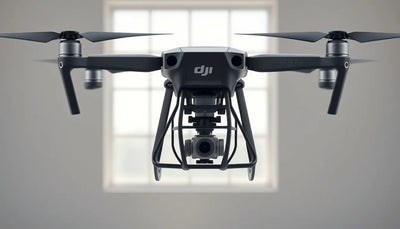
O Air 4 apareceu pela primeira vez dentro de uma aplicação chinesa de relatórios de voo em maio 2026,, de acordo com o relatório DroneXL.co. Embora nenhuma especificação oficial ou data de lançamento tenha sido confirmada pelo DJI, a aparência confirma que o desenvolvimento e os testes estão ativos. O modelo FPV mais recente do Avata 360, DJI iniciou as remessas mundiais em março. Os operadores internacionais já têm acesso, mas os compradores dos EUA não podem importar ou operar legalmente estas novas unidades ao abrigo das actuais restrições alfandegárias. O terceiro modelo, N610BS, obteve a certificação de rádio chinesa – um passo necessário antes de qualquer lançamento doméstico – mas o seu propósito permanece desconhecido. Pode ser uma nova carga útil, uma estação terrestre ou um drone empresarial especializado.
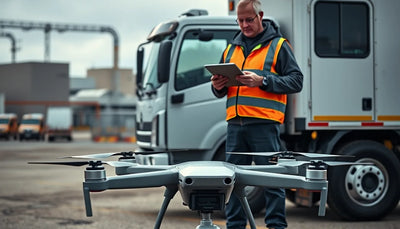
A implicação prática para os operadores de frotas comerciais é clara: o novo hardware DJI não chegará aos EUA tão cedo. Isto valoriza a manutenção dos drones existentes. Demanda por serviços profissionais de reparação DJI aumenta normalmente quando o pipeline de novos produtos pára, à medida que os operadores prolongam a vida útil das suas aeronaves atuais. Já estamos a assistir a um aumento nos pedidos de peças extraídas do OEM e de componentes originais de gestores de frotas que não podem suportar o tempo de inatividade.
Operator checklist
Turn policy news into a safer fleet decision.
Before changing aircraft, compare repair paths, available DJI inventory, and trade-in timing against the rule change.

O estrangulamento regulatório
O relatório fonte intitulado “DJI Air 4, Avata 360, N610BS: Compradores dos EUA esperam” torna explícita a tensão central: DJI continua a lançar hardware globalmente, mas os compradores americanos não podem aceder. O panorama regulamentar permanece inalterado, sem novas decisões ou alterações políticas relatadas. Este não é um atraso temporário no envio – é uma separação estrutural do mercado.
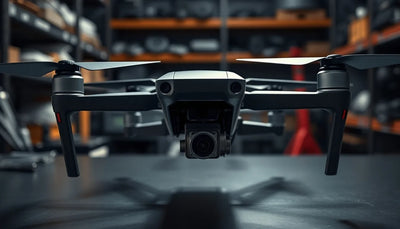
Para os compradores de drones, a consequência é estratégica. Qualquer atualização de frota que dependa de novos modelos DJI deverá ser adiada indefinidamente. Isto cria uma abertura para o mercado DJI usado. Os operadores que procuram unidades usadas inspecionadas e fiáveis podem adquirir as plataformas Air 3, Mavic 3, e Avata 2 enquanto a situação regulamentar evolui. O drones DJI usados disponíveis através de canais secundários têm agora um valor adicional porque representam o único caminho para a expansão da frota a curto prazo sem riscos regulamentares.
O que significa isto para os compradores de drones
Os gestores de frotas, os clientes de reparação e os compradores de segunda mão devem ajustar o seu planeamento com base em três realidades concretas a partir dos detalhes originais.
- Não existe qualquer calendário de lançamento nos EUA. O Air 4 e N610BS só foram observados nos sistemas de testes e certificação chineses. Não há nenhum caminho anunciado para a aprovação das importações nos EUA.
- O inventário utilizado torna-se o principal canal de atualização. Os operadores que necessitem de aeronaves adicionais ou de substituição devem avaliar o mercado de usados agora, antes que a escassez aumente os preços. O nosso guia de troca de drones pode ajudá-lo a avaliar quanto vale a sua frota atual em relação ao comércio.
- Os ciclos de reparação precisam de ser estendidos. Sem novos modelos disponíveis, manter os drones existentes em condições de aeronavegabilidade através de serviços profissionais é a forma mais fiável de manter a capacidade. Dê prioridade à manutenção programada e às peças de reposição originais.
Uma resposta orientada para o operador à pergunta “o que devo fazer de diferente?” é isto: pare de esperar pelo próximo lançamento do DJI e comece a proteger os equipamentos usados com um histórico de inspeção completo. O pipeline não será aberto rapidamente e as suas operações não poderão ser pausadas.
A oportunidade de mercado de usados
O hiato de lançamento fortalece o mercado DJI utilizado de uma forma que não é especulativa – já é observável. Quando a entrada de novos fornecimentos é bloqueada nos EUA, a frota usada torna-se a única fonte de hardware DJI adicional. Isto aumenta a procura por unidades usadas e cria um mercado de vendedores para aqueles que mantêm bem os seus drones.
Os clientes de reparação também beneficiam indiretamente. Um ecossistema robusto de usados significa mais peças sobressalentes originais OEM em circulação, o que permite um retorno mais rápido para oficinas profissionais de reparação DJI. Para os compradores, o fundamental é trabalhar com fornecedores que ofereçam drones usados inspecionados com histórico transparente, e não unidades recondicionadas com peças não verificadas. O valor comercial de um drone DJI usado e bem documentado é mais elevado do que nunca, e esta tendência continuará enquanto o impasse regulatório persistir.
O Air 4 será algum dia lançado nos Estados Unidos?
Não há qualquer anúncio oficial sobre o lançamento do Air 4. nos EUA. O modelo só foi observado em sistemas de teste chineses. Até que o ambiente regulamentar mude, os compradores dos EUA não devem presumir a disponibilidade em 2026.
Qual é o modelo N610BS que obteve a certificação de rádio chinesa?
A identidade e a finalidade do N610BS ainda não são conhecidas. Pode ser uma nova variante de drone, um controlo remoto ou um acessório empresarial. A certificação é um passo de rotina antes de qualquer produto eletrónico entrar no mercado chinês, mas não indica um lançamento iminente nos EUA.
Devo comprar um drone DJI usado agora enquanto aguardo novos modelos?
Para a maioria dos operadores comerciais, a compra de um drone DJI usado inspecionado é uma estratégia prática. Permite-lhe expandir ou atualizar a sua frota sem apostar num avanço regulamentar. Certifique-se de que a unidade tem um registo de voo verificável e foi reparada com peças OEM originais.
Fontes consultadas
- DroneXL.co - primary source
Não estava disponível documentação oficial adicional no momento da publicação.
O Editorial Reboot Hub acrescenta análises de compra, reparação, revenda e operacionais para proprietários de drones. Se detetar um erro, contacte-nos para a revisão da correção através da nossa política editorial.