AEVEX Wins $50M Air Force Contract – What It Signals for Drone Sector
AEVEX Corp. secured a $50 million U.S. Air Force contract with $27 million in initial funding for unmanned mission support. The deal points to strong public-sector drone demand, with implications for fleet planning, repair readiness, and the used market.

Notas editoriais
- Este artigo combina reportagens externas nomeadas com a análise própria do Reboot Hub para compradores de drones, operadores de frotas, clientes de reparação e observadores do mercado de DJI usados.
- Os factos das fontes são separados da interpretação. Quando um relatório fornece dados limitados, o artigo indica essa limitação e enquadra a visão do Reboot Hub como análise.
- O Reboot Hub possui links comerciais para produtos de drones e serviços de reparação; estes links são recursos para o leitor e não determinam a conclusão do artigo.
AEVEX Corp. (NYSE: AVEX) announced today that it has been awarded a $50 million contract by the U.S. Air Force for advanced unmanned mission-support capabilities, with an initial funding tranche of $27 million. For drone buyers, fleet operators, and sector watchers, this contract is a clear signal that institutional capital continues to flow into unmanned systems, reinforcing the sector’s financial foundation and potentially tightening supply for commercial users as defense priorities accelerate.

The contract, sourced from the company’s headquarters in Solana Beach, California, underscores the Air Force’s commitment to expanding unmanned operations. While the exact platform or service scope has not been detailed, the award directly impacts the broader drone ecosystem—from parts availability and repair demand to second-hand pricing and public-company valuation.
Market and sector signal
This contract is the latest data point in a trend of increasing government spending on unmanned aerial capabilities. For investors tracking the drone sector via public equities, AVEX’s win validates the thesis that defense budgets are pivoting toward autonomous systems. The $27 million initial funding is a tangible commitment, not a speculative future option, meaning immediate capital will flow into subcontractors, hardware procurement, and maintenance infrastructure.
The sector signal here is twofold. First, it confirms that the U.S. military views unmanned systems as a core operational capability rather than a niche experiment. Second, it suggests that other prime contractors may soon announce similar awards, which could lift valuations across the drone supply chain—including component makers, software developers, and repair stations. For commercial fleet operators, this environment means that OEMs and service providers may prioritize government contracts over consumer or enterprise orders, potentially extending lead times for new drones and spare parts.
Public-company pressure on AVEX will now increase as investors watch contract execution. A clean delivery record could boost the stock and draw more institutional attention to the sector. Conversely, delays or cost overruns could rattle confidence. Either way, the drone sector’s financial health is now more visible to mainstream markets, which historically has led to increased volatility but also more capital for R&D.
What this means for drone buyers
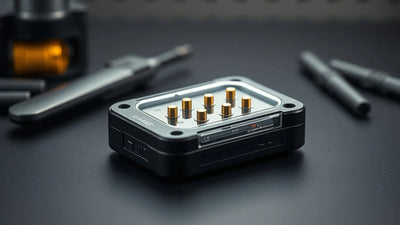
For buyers actively planning fleet upgrades or acquisitions, this contract signals that high-end unmanned equipment may become harder to source at current prices. Government contracts often absorb production capacity from leading manufacturers, especially for ruggedized platforms and ground control infrastructure. The DJI Dock 3, for example, is a prime candidate for persistent surveillance missions due to its robust design. According to DJI’s verified product database, the Dock 3 weighs 55 kg, features an IP56 rating for dust and water resistance, and operates reliably in temperatures from -30°C to 50°C. Its maximum landing wind speed is 12 m/s, and it can function at altitudes up to 4,500 m. These specs make it deployable in harsh field conditions similar to those encountered by military support contractors.
Commercial drone planning
Build the next fleet step around inspected hardware and serviceable parts.
Use Reboot Hub to compare certified DJI drones, repair options, and OEM components before the market moves again.
If the Air Force contract drives demand for dock-based autonomous operations, buyers in agriculture, inspection, and public safety may face longer wait times and reduced discounts on new docking stations. The second-hand market could see a price floor firm up as fleet operators hold onto equipment rather than upgrading during a period of uncertain supply. Our advice: if you are planning a purchase, secure inventory early and consider certified refurbished options from reliable sources like Reboot Hub’s refurbished drone collection to avoid delays.
Repair customers should also take note. Government contracts often require rapid turnaround and high availability of spare parts. This can strain the supply of OEM components like motors, sensors, and docking station actuators. As a practical step, stock up on critical OEM spare parts now, and ensure your repair provider uses genuine components to maintain airworthiness. The professional DJI repair services at Reboot Hub can help keep your fleet operational even if supply chains tighten.
Implications for fleet operators and repair readiness
Fleet operators managing multiple drones for commercial missions must consider how the government’s increased spending affects their own operational planning. The $50 million contract will likely create a cascade of subcontracts that pull skilled technicians and repair capacity toward defense work. That could raise labor costs for commercial drone maintenance and reduce availability of certified repair slots.
One direct implication: if you operate DJI Dock 3 units in your fleet, you already benefit from a system designed for minimal on-site maintenance. The dock’s open dimensions (1,760 x 745 x 485 mm when deployed, 640 x 745 x 770 mm when closed) allow for straightforward integration into transport containers. Its 800 W maximum input power means it can be powered via portable generators or solar arrays in remote locations. But even the most rugged hardware requires periodic servicing. As defense contracts absorb repair bandwidth, commercial operators should plan preventive maintenance at least one cycle ahead. Consider shifting to service agreements that guarantee turnaround times rather than relying on ad-hoc repair slots.
Also noteworthy: the contract’s focus on “mission-support capabilities” likely includes software upgrades, cybersecurity patches, and sensor calibration. These services are similar to what commercial operators need for compliance and reliability. Stay current by registering your equipment with authorized service centers and leveraging professional repair networks that handle both civilian and government fleets.
Second-hand drone market outlook
The arrival of a large defense contract often has a stabilizing effect on used-drone pricing. When new supply becomes constrained, buyers turn to the secondary market, pushing prices higher for well-maintained equipment. For sellers, this could be an opportune time to offload surplus drones before a potential influx of government-surplus hardware later in the contract cycle.
We expect to see increased demand for used DJI Matrice and Mavic Enterprise models that are compatible with docking stations and payload systems used in mission-support roles. The DJI Dock 3’s specs—especially its IP56 rating and wide temperature tolerance—set a benchmark for what government buyers consider deployable. If used drones meet similar ruggedness standards, they will command a premium. Conversely, consumer-grade units may see softer demand as buyers gravitate toward certified pre-owned equipment with documented maintenance histories.
Reboot Hub’s certified refurbished drones offer a middle ground: they have been professionally inspected, repaired with genuine parts, and tested to meet original specifications. For fleets expanding to meet new contracts, this path avoids the uncertainty of private-party sales while still capitalizing on used-market pricing. Explore refurbished options to see current inventory and pricing trends.
How does the AEVEX contract affect drone resale values?
It likely supports a floor on used pricing by signaling robust government demand and potential supply constraints. Owners of commercial-grade drones compatible with mission-support roles may see stable or slightly rising resale values in the near term.
What should a fleet manager do in response to this news?
Secure parts and repair slots early, consider locking in new drone orders, and evaluate certified refurbished units as a faster, lower-cost alternative to new equipment. Also, review maintenance contracts to ensure they prioritize government-linked workload.
Is the DJI Dock 3 relevant to military mission support?
While DJI products are not directly mentioned in the contract, the Dock 3’s IP56 rating, 55 kg weight, -30°C to 50°C operating range, and 4,500 m altitude capability make it a fit for persistent autonomous operations in harsh environments, similar to what mission-support contracts require.
From Reboot Hub
Build the next fleet step around inspected hardware and serviceable parts.
Use Reboot Hub to compare certified DJI drones, repair options, and OEM components before the market moves again.
Certified DJI drones
Inspected pre-owned aircraft with warranty coverage and clear condition grading.
Browse inventory ->Genuine-part repair
Diagnostics, repair planning, and component replacement for working DJI fleets.
Book a repair ->OEM spare parts
Batteries, propellers, gimbals, and essential DJI components for faster recovery.
Shop parts ->