STING Zestrzelenie drona rosyjskiego Sokoła-I: kluczowe implikacje dla rynku
Według doniesień ukraiński dron STING z jednostki Wild Hornets zestrzelił rosyjskiego drona rozpoznawczego Sokół-I. To wydarzenie sygnalizuje zmianę w sposobie wykorzystywania małych, niedrogich UAV w misjach przeciwdziałających UAS, co ma bezpośrednie znaczenie dla planowania floty, zaopatrzenia i usług naprawczych.

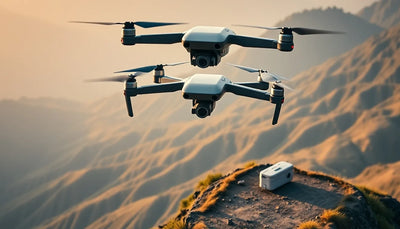
Według doniesień ukraiński dron STING, pilotowany przez jednostkę Wild Hornets, zestrzelił rosyjskiego drona zwiadowczego Sokół-I. Zaangażowanie, o którym po raz pierwszy poinformował ukraiński portal Censor.NET, stanowi jeden z bardziej bezpośrednich przykładów małego, stylizowanego na komercyjną wersję UAV użytego w roli przeciwdrona powietrze-powietrze. Dla komercyjnych nabywców dronów, operatorów flot i klientów zajmujących się naprawami ten incydent jest czymś więcej niż anegdotą z pola bitwy. Podkreśla, jak ekonomia, priorytety projektowe i żywotność dronów zmieniają się w wyniku rzeczywistego konfliktu, a wnioski te już teraz przekładają się na planowanie floty cywilnej, wycenę używanego zapasu i zapotrzebowanie na usługi naprawcze.
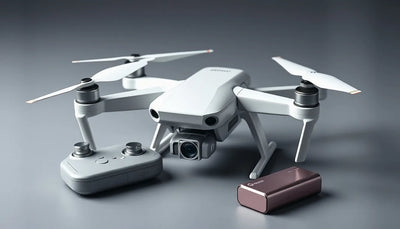
Sokol-I to rosyjski dron rozpoznawczy przeznaczony do obserwacji średniego zasięgu. Dron STING firmy Wild Hornets wydaje się być małym, zwinnym quadkopterem, prawdopodobnie zaadaptowanym z komercyjnych platform FPV lub platform korporacyjnych. Dokładne specyfikacje techniczne pozostają niepotwierdzone, ale konsekwencje operacyjne są jasne: stosunkowo niedrogi mały dron skutecznie zneutralizował większy i droższy system nadzoru. To odwrócenie kosztów i możliwości ma bezpośrednie odpowiedniki w świecie komercyjnych dronów, gdzie operatorzy stale bilansują koszty nabycia z wartością misji, a decyzje dotyczące naprawy często zależą od tego, czy dron jest wart naprawy, czy wymiany.
Jak to zaangażowanie przekłada się na strategię floty
Dla menedżerów flot i operatorów przedsiębiorstw starcie STING kontra Sokol-I stanowi wyraźną ilustrację taktycznej asymetrii. Sokol-I reprezentuje tradycyjne podejście: specjalnie zaprojektowany, stosunkowo drogi i zoptymalizowany pod kątem wytrzymałości i ładowności. STING reprezentuje nowsze, bardziej elastyczne podejście: niższy koszt jednostkowy, wysoka zwrotność i możliwości adaptacji. W warunkach komercyjnych odzwierciedla to napięcie pomiędzy wysokiej klasy dronami dla przedsiębiorstw, takimi jak seria Matrice, a mniejszymi, tańszymi platformami, takimi jak linie DJI Mini lub Avata.
Fleet readiness
Keep DJI hardware available without overbuying new units.
Use defense and fleet news as a planning signal for repair support, inspected pre-owned aircraft, and replacement timing.

Zdolność małego drona do przechwytywania innego drona ma konsekwencje wykraczające poza wojsko. Operatorzy komercyjni w sektorach takich jak kontrola infrastruktury krytycznej, rolnictwo i bezpieczeństwo są coraz bardziej zaniepokojeni zakłóceniami między dronami i zagrożeniami związanymi z UAS. Chociaż incydent STING jest specyficzny dla strefy konfliktu, rodzi się pytanie, jak podatna może być Twoja własna flota na podobnie tanie przechwytywacze. Nie jest to kwestia teoretyczna; kilka krajów rozmieściło już drony przechwytujące drony w celu zapewnienia bezpieczeństwa granic.
Operatorzy flot powinni ocenić swoją własną podatność na zagrożenia i rozważyć, czy nadmiarowe, tanie platformy mogą służyć jako kopie zapasowe lub nawet jako aktywne środki zaradcze we wrażliwych obszarach. Ta sama logika dotyczy planowania napraw i części zamiennych. Jeśli dron zostanie zgubiony przez myśliwiec przechwytujący, zmienia się rachunek ekonomiczny: czy taniej jest naprawić uszkodzoną jednostkę, czy wymienić ją na używaną wersję tego samego modelu? Rynek używanych maszyn DJI wzrósł właśnie dlatego, że oferują niższy punkt wejścia w przypadku rozbudowy floty i niższe koszty wymiany w przypadku operacji o dużym rotacji.
Co to oznacza dla nabywców dronów
Dla kupujących oceniających swój kolejny zakup, porównanie STING i Sokol-I wzmacnia wartość modułowości, możliwości naprawy i całkowitego kosztu posiadania. Dron, który wygrał to starcie, został prawdopodobnie zbudowany z gotowych komponentów, które można łatwo wymienić i naprawić w terenie. Operatorzy komercyjni powinni szukać dronów oferujących prosty dostęp do części OEM i umożliwiających naprawę na poziomie komponentów, zamiast wymagać całkowitej wymiany urządzenia.
Jest to szczególnie istotne w przypadku zasobów używanych. Dron, który można tanio naprawić, zachowuje wyższą wartość przy odsprzedaży. Kupujący na rynku używanego DJI powinni priorytetowo traktować modele z dużą dostępnością części i dojrzałymi ekosystemami napraw. Drony z częściami eksploatacyjnymi, takimi jak śmigła, silniki i ramiona, należy sprawdzić pod kątem zużycia, a kupujący powinni zaplanować budżet na potencjalne wcześniejsze naprawy.
Ponadto incydent ten uwypuklił znaczenie odporności na wojnę elektroniczną. Według doniesień Sokół-I został zestrzelony uderzeniem kinetycznym małego drona, ale wiele nowoczesnych rozwiązań przeciwdziałających UAS opiera się na zakłócaniu RF lub fałszowaniu GPS. Kupujący powinni rozważyć drony ze wzmocnionymi łączami komunikacyjnymi i zabezpieczeniami przed awarią. Nowsze platformy korporacyjne DJI zawierają niektóre z tych funkcji, ale starsze, używane modele mogą ich nie posiadać. Kupujący powinni sprawdzić historię oprogramowania i zapytać o ewentualne modyfikacje poprawiające odporność na zakłócenia.
Jeśli szukasz niezawodnego konia pociągowego, rozważ eksplorację używane drony DJI które zostały sprawdzone i przetestowane. Jednostki te często zapewniają taką samą wydajność jak nowe modele po obniżonej cenie, pozostawiając budżet na części zamienne lub usługi naprawcze.
Napraw zmiany w ekosystemie i łańcuchu dostaw
Konflikt na Ukrainie przyspieszył popyt na usługi naprawy dronów, szczególnie w przypadku platform intensywnie wykorzystywanych w celach rozpoznawczych i uderzeniowych. Jeśli dron STING zostanie uszkodzony podczas przechwytywania, będzie wymagał szybkiej naprawy. Operatorzy komercyjni stoją przed podobnymi wyzwaniami: przestoje oznaczają utratę przychodów. Dostępność oryginalnych części zamiennych OEM i certyfikowanych techników zajmujących się naprawami staje się przewagą konkurencyjną.
W przypadku warsztatów naprawczych Sokol-I zwiększa potrzebę magazynowania części do szerokiej gamy platform, a nie tylko dominujących modeli DJI. Mniejsze, zwinne drony rozprzestrzeniają się jako narzędzia przeciwne UAS, a zapotrzebowanie na naprawy tych platform będzie rosło. Sklepy, które obsługują zarówno drony DJI, jak i inne niż DJI, będą miały przewagę.
Menedżerowie flot powinni audytować swoje procesy naprawcze. Jeśli dron ulegnie uszkodzeniu w wyniku kolizji – czy to z innym dronem, czy z przeszkodą – czas naprawy należy mierzyć w dniach, a nie tygodniach. Profesjonalne usługi naprawy DJI korzystające z oryginalnych części oferują przewidywalne koszty i harmonogram, co ma kluczowe znaczenie dla planowania misji.
Na rynku wtórnym drony o sprawdzonej możliwości naprawy i dobrym zaopatrzeniu w części będą osiągały wyższe ceny. Sprzedający powinni udokumentować historię napraw i wszelkich modyfikacji. Kupujący powinni poprosić o dzienniki pokazujące stan komponentów. Dron, który został uszkodzony i niewłaściwie naprawiony, może mieć ukryte słabości. Najlepszą ochroną jest zakup u renomowanego źródła, które sprawdza i certyfikuje każde urządzenie.
Szersze trendy rynkowe w zakresie używanego DJI i planowania floty
Zestrzelenie Sokoła-I jest częścią szerszego schematu, w którym tanie drony przejmują role wcześniej zarezerwowane dla większych i droższych systemów. Tendencja ta bezpośrednio wpływa na rynek używanych modeli DJI. W miarę jak przedsiębiorstwa i rządy zmieniają flotę w stronę nowszych modeli, zwiększa się podaż używanych pojazdów. Jednocześnie rośnie popyt ze strony operatorów, którzy chcą niedrogich platform do misji wysokiego ryzyka.
Analiza Reboot Hub: Prawdopodobnie będziemy świadkami rozdwojenia na rynku samochodów używanych. Wysokiej klasy modele, takie jak DJI Matrice 300 RTK lub Mavic 3 Enterprise, zachowają wartość, ponieważ oferują redundancję, unikanie przeszkód i zaawansowaną ładowność. Modele konsumenckie z niższej półki, szczególnie te pozbawione czujników przeszkód lub solidnych systemów transmisji, mogą szybciej tracić na wartości, gdy operatorzy uznają swoje ograniczenia taktyczne.
Dla operatorów chcących dokonać modernizacji lub zmniejszenia rozmiaru, zamiana starszych dronów na nowsze modele jest mądrym posunięciem. A przewodnik po handlu dronami może pomóc w określeniu godziwej wartości rynkowej Twojej obecnej floty i zidentyfikowaniu, które modele mają największą trajektorię odsprzedaży. Kluczem jest dokonanie transakcji, zanim nastąpi przyspieszenie deprecjacji, szczególnie jeśli dron znajdował się w środowiskach o dużym obciążeniu, które przyspieszają zużycie.
Incydent STING również wzmacnia znaczenie różnorodności floty. Poleganie na jednym modelu drona stwarza lukę w zabezpieczeniach. Operatorzy powinni rozważyć utrzymanie połączenia DJI i innych platform, w tym mniejszych FPV lub dronów wyścigowych do niedrogiego nadzoru lub do ról przeciwstawnych UAS. Rynek samochodów używanych to najbardziej opłacalny sposób na osiągnięcie tej różnorodności bez zwiększania budżetu inwestycyjnego.
Wreszcie, klienci zajmujący się naprawami powinni mieć świadomość, że w miarę jak drony na dronach stają się coraz bardziej powszechne w kontekście bezpieczeństwa i obronności, może wzrosnąć zapotrzebowanie na niestandardowe części naprawcze i modyfikacje. Sklepy oferujące wzmocnione ramy, ulepszone anteny lub lepsze chłodzenie przyciągną klientów premium. Dla operatorów DIY umiejętność naprawy przy użyciu części OEM jest umiejętnością, którą warto rozwijać.
Jaki konkretny model drona został użyty w starciu STING?
Źródło podaje jedynie, że ukraiński dron STING z jednostki Wild Hornets został użyty do zestrzelenia rosyjskiego drona Sokół-I. Nie podano konkretnej nazwy modelu ani producenta. STING wydaje się być małym, zwinnym quadkopterem, ale jego dokładne pochodzenie komercyjne nie zostało ujawnione.
Jak zestrzelenie Sokoła-I wpływa na rynek używanych dronów?
Zwiększa to popyt na wszechstronne platformy nadające się do naprawy. Używane drony, które są łatwe w naprawie i mają dużą dostępność części, zachowają wyższą wartość. Kupujący powinni priorytetowo traktować modele o sprawdzonej trwałości i szukać dokumentacji dotyczącej historii konserwacji. Wydarzenie zwiększa również zainteresowanie mniejszymi, tańszymi dronami do określonych misji, potencjalnie zwiększając ich wartość odsprzedaży.
Czy operatorzy komercyjni powinni zmodyfikować swoją flotę po tym incydencie?
Menedżerowie flot powinni sprawdzić swoją podatność na przeciwdziałanie zagrożeniom UAS i rozważyć dodanie kilku tanich, zwinnych dronów jako kopii zapasowych lub do pełnienia wyspecjalizowanych ról. Upewnij się, że wszystkie drony mają aktualne oprogramowanie i bezpieczne łącza transmisyjne. W przypadku operacji o dużej wartości inwestycja w redundantne systemy komunikacyjne i wzmocnienie fizyczne może być tego warta. Pomocne jest również regularne szkolenie w zakresie manewrów unikowych i procedur przekazywania.