Hvorfor Northrop Grummans lønnsomhet maner til forsiktighet for droneflåter
Northrop Grumman (NOC) er lønnsomt, men en fersk analyse peker på utfordringer knyttet til vekst og risiko ved reinvesteringer. Operatører av droneflåter bør vurdere hvordan den økonomiske tilstanden til store forsvarsleverandører påvirker forsyningskjeder, bruktmarkedet og beslutninger om reparasjoner.

Lønnsomhet alene garanterer ikke investeringssikkerhet – spesielt ikke innen forsvars- og romfartssektoren. En fersk analyse av tre lønnsomme aksjer som investorer bør nærme seg med forsiktighet, inkluderer Northrop Grumman (NOC), en av de største amerikanske forsvarsleverandørene med omfattende virksomhet innen ubemannede luftsystemer. Analysen påpeker at selv lønnsomme selskaper kan ha utfordringer med å opprettholde vekst, stå overfor forestående konkurransemessige eller regulatoriske trusler, eller mislykkes i å reinvestere kapital effektivt. For kommersielle dronekjøpere og flåteoperatører har denne strategiske forsiktigheten rundt en ledende forsvarsleverandør konkrete ringvirkninger – for stabiliteten i forsyningskjeden, tilgjengeligheten av reservedeler og beslutningsgrunnlaget for å gå inn i brukte DJI-droner markedet.
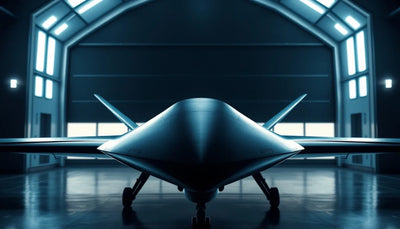
Northrop Grumman bygger systemer som Global Hawk og Triton, som er UAV-er med lang utholdenhet i stor høyde, men selskapets økonomiske helse påvirker også produksjonskapasiteten for komponenter, sensorsuiter og styringsteknologi som tidvis finner vei inn i avanserte kommersielle droneplattformer. Når en hovedleverandør til forsvaret møter motvind i reinvesteringer, kan det påvirke leveringstidene for både nye militære UAV-er og annahåndsmarkedet for brukt utstyr. Flåteoperatører som planlegger oppgraderinger eller vedlikeholdsintervaller bør følge disse signalene nøye.
Slik henger Northrop Grummans varsellampe sammen med kommersielle UAV-forsyningskjeder
Kildeartikkelen, publisert på Yahoo Finance, fremhever at Northrop Grumman fortsatt er lønnsomt, men står overfor strukturelle utfordringer med å opprettholde vekst og omallokere kapital effektivt. Dette er ikke kortvarige svingninger, men reflekterer dypere spørsmål om hvordan selskapet fordeler ressursene sine. For den kommersielle UAV-industrien er bekymringen todelt: For det første setter hovedleverandører til forsvaret ofte tempoet for avanserte materialer, flykontrollalgoritmer og sikre datalenker som etter hvert når sivile plattformer. For det andre kan FoU-pipelinen for neste generasjons droneteknologi bremses når en stor entreprenør reduserer reinvesteringene, noe som forlenger levetiden til nåværende maskinvare.
Purchase timing
Use market shifts to buy, sell, repair, or wait with more context.
Compare trade-in timing, pre-owned DJI pricing, and repair economics before committing new capital.

Dronekjøpere som er avhengige av banebrytende kapasiteter basert på forsvarsteknologi, kan oppleve lengre oppgraderingssykluser. Dette scenariet styrker appellen til annahåndsmarkedet. Hvis nye flaggskipmodeller fra førsteklasses leverandører bruker lengre tid på å nå markedet, vil operatører beholde eksisterende flåter lenger, noe som øker etterspørselen etter profesjonelle reparasjonstjenester for DJI og reservedeler fra OEM. Forsiktigheten rundt NOC er ikke grunn til alarm, men det er en grunn for flåteforvaltere til å revurdere anskaffelsesplaner og reparasjonsbudsjetter.
Videre kan reinvesteringsrisikoen nevnt i kilden føre til kostnadskutt, noe som kan påvirke underleverandører som leverer komponenter til det kommersielle drone-økosystemet. En reduksjon i forsvarsutgifter på visse UAV-programmer kan føre til endringer i produksjonslinjer, og potensielt forårsake midlertidig mangel på deler for verksteder. For kjøpere av brukte DJI-droner kan dette bety at velholdte enheter blir mer verdifulle etter hvert som tilgangen på nye fly strammes inn.
Hva dette betyr for dronekjøpere
Hvis du vurderer en flåteutvidelse eller overgang fra en nåværende plattform til en nyere modell, tilfører forsiktigheten rundt Northrop Grumman et lag av strategisk nyanse. Forsvarsleverandørens utfordringer med reinvestering tyder på at enkelte avanserte sensor- og navigasjonsteknologier kanskje ikke når det kommersielle markedet så raskt som tidligere antatt. Dette reduserer behovet for umiddelbar oppgradering. I stedet kan det å holde nåværende maskinvare operativ gjennom profesjonell reparasjon og originale reservedeler gi bedre avkastning på kapitalen over de neste 12–18 m månedene.
Flåteoperatører bør også vurdere markedet for brukte DJI-droner som et kostnadseffektivt alternativ. Når lanseringer av nye flaggskip bremses, har annahåndsmarkedet en tendens til å stabilisere seg, eller til og med se prisstøtte for velholdte modeller som DJI Matrice 300- eller 350-serien. Ved å bruke en innbytteguide for droner kan du vurdere om det er riktig tidspunkt å selge eldre enheter eller beholde dem lenger. Innbytte kan også la deg konsolidere eldre utstyr for å finansiere en enkelt premiumplattform, uten å haste inn i et kjøp som kan bli etterfulgt av en forsinket programvare- eller maskinvareoppdatering.
For reparasjonskunder er implikasjonen direkte: invester i proaktivt vedlikehold. Med forsvarsrelaterte forsyningskjeder som står overfor potensielle gap i reinvesteringer, kan leveringstidene for visse høypålitelighetskomponenter øke. Lagerføring av ofte etterspurte OEM-reservedeler og planlegging av periodiske inspeksjoner hos en sertifisert reparasjonstjeneste kan redusere nedetiden. Forsiktigheten rundt NOC betyr ikke en overhengende mangel, men det lønner seg for operatører som planlegger fremover.
Resiliens for reparasjoner og reservedeler etter advarsel om forsvarsaksjer
En av de mindre diskuterte effektene av økonomisk forsiktighet i forsvaret er på reservedelsøkosystemet. Northrop Grummans produksjonslinjer for militære UAV-er bruker mange av de samme materialleverandørene som betjener det bredere luftfartselektronikkmarkedet. Hvis selskapet reduserer lagerbestillinger eller utsetter nye produksjonskjøringer for å spare penger, kan det strømme gjennom til komponenter som brukes i kommersiell drone-reparasjon – slik som GNSS-moduler, IMU-er og høykvalitets gimbals. Disse er ikke DJI-spesifikke, men brukes ofte i tredjeparts tillegg eller reparasjonserstatninger.
For operatører som allerede er avhengige av brukte DJI-droner, blir det enda viktigere å vedlikeholde disse flyene med ekte OEM-reservedeler. Tredjepartskomponenter kan være billigere, men når forsyningskjedens stabilitet er usikker, gir ekte deler hentet fra anerkjente demonteringskanaler mer forutsigbar kvalitet. Reparasjonstjenester som spesialiserer seg på profesjonell DJI-reparasjon med originale deler kan bidra til å forlenge levetiden til en brukt flåte med to til tre år, og effektivt oppveie risikoen for en forsinket oppgraderingssyklus ved å bevare nåværende aktivaverdi.
Kildeartikkelens advarsel om reinvesteringssvikt innebærer også at Northrop Grumman kanskje ikke aggressivt forfølger nye kommersielle tilstøtende produktlinjer. Det lar DJI og andre kommersielle først produsenter dominere markedssegmentet under $20,000. For kjøpere er dette en forsikring om at konkurransepresset fra forsvarspremier som kommer inn i det kommersielle området fortsatt er lavt. Det pre-eide markedet for DJI-droner bør derfor fortsette å se jevn tilgjengelighet, med priser drevet mer av tilbud og etterspørsel enn av en plutselig tilstrømning av eks-militær maskinvare.
Bredere markedstrender: Forsvarsutgifter og bruktdronemarkedet
Analysen av NOCs lønnsomme, men forsiktige posisjon passer inn i et bredere mønster innen forsvar og romfart. Regjeringer rundt om i verden øker militærbudsjettene, men entreprenører møter press for å levere avkastning raskt. Når et selskap som Northrop Grumman sliter med reinvesteringer, kan det signalisere at forsvarssektoren prioriterer kortsiktig lønnsomhet fremfor langsiktig plattformutvikling. Denne trenden har en sølvlinje for det kommersielle bruktmarkedet: teknologi av militær kvalitet går saktere inn i sivil bruk, og holder gapet mellom nye og brukte kommersielle droner smalere.
Flåteoperatører som ser på makroøkonomiske indikatorer vet at forsvarets førsteklasses helse ofte korrelerer med tempoet i dekommisjonering av eldre UAV-er. Langsommere reinvestering ved NOC kan bety at noen militære Global Hawk-enheter forblir i tjeneste lenger, noe som reduserer antallet overskuddsfly som kommer inn på det sivile markedet. Mens tidligere forsvarsdroner sjelden dukker opp i det kommersielle rommet uansett på grunn av ITAR-begrensninger, gjelder prinsippet for avanserte komponenter. Det kommersielle pre-eide markedet forblir drevet av bedrifts- og industriflåter, og forsiktigheten rundt en viktig forsvarspremie støtter tesen om at å kjøpe inspiserte pre-eide DJI droner er et forsvarlig, likviditetsbevarende trekk.
Til syvende og sist er kildens melding ikke at Northrop Grumman er i trøbbel, men at lønnsomheten maskerer risiko. Dronekjøpere bør tolke det som en grunn til å bremse store kapitalforpliktelser og lene seg inn i reparasjons-, innbytte- og forhåndseide oppkjøpsstrategier. Markedet for uberørte pre-eide DJI-droner drar nytte av slik makroforsiktighet fordi det tilbyr et alternativ med lavere risiko som fortsatt gir operativ evne. I et usikkert vekstmiljø for forsvarsprimærer er den kommersielle operatørens beste sikring fleksibilitet – og den fleksibiliteten er bygget på et grunnlag av profesjonell reparasjon og et flytende bruktmarked.
Bør jeg utsette å kjøpe en ny drone fordi Northrop Grummans aksjer er forsiktige?
Ikke nødvendigvis. Forsiktigheten rundt NOC handler om reinvestering og vekst, ikke en umiddelbar forstyrrelse. Men hvis du planlegger å oppgradere til en plattform som er avhengig av forsvarsavledede sensorer, kan det være lurt å vente på klarere signaler på teknologiske veikart. I mellomtiden, å kjøpe en brukt DJI drone gir deg operativ beredskap uten å låse deg inn i en potensielt raskt avskrivende ny eiendel.
Hvordan påvirker en forsvarsaksadvarsel prisene på brukte drone?
Indirekte kan det støtte bruktpriser. Hvis utviklingen av ny drone avtar på grunn av bredere reinvesteringsforsinkelser i luftfarten, beholder dagens generasjonsmodeller nytten lenger. Dette har en tendens til å stabilisere eller øke prisene litt for godt vedlikeholdte pre-eide enheter, spesielt enterprise-grade plattformer som DJI Matrice serien som har sterk reparasjon og deler tilgjengelighet.
Er nå et godt tidspunkt å bytte inn min gamle drone?
Det kan være det, spesielt hvis du konsoliderer flere eldre enheter til en nyere plattform. Bruk en innbytteguide for å vurdere gjeldende markedsverdier. Med forsvarssektoren i en forsiktig fase kan vinduet for gunstige innbyttevilkår være åpent nå, før en eventuell forsyningsinnstramming påvirker videresalgsprisen. Innbytte reduserer også eksponeringen din for eldre systemer som kan bli vanskeligere å reparere hvis komponenttilgjengeligheten endres.
Sources consulted
- Source material - primary source
Additional official documentation was not available at publication time.
Reboot Hub Editorial adds buyer, repair, resale, and operational analysis for drone owners. If you spot an error, contact us for correction review through our editorial policy.
This article is market commentary for drone operators and buyers, not investment advice. Reboot Hub does not provide financial advice or recommend securities transactions.