US FCC gransker produsenter av DJI-kopier for teknologityveri
US Federal Communications Commission har åpnet etterforskning mot flere selskaper som produserer kameramoduler av typen DJI. Granskingen er rettet mot mulig uautorisert bruk av radiofrekvensteknologi. Her er hva kommersielle droneoperatører og kjøpere av brukt utstyr bør være oppmerksomme på.

Den amerikanske kommunikasjonsmyndigheten, Federal Communications Commission (FCC), har startet etterforskning av flere selskaper som produserer kameramoduler som visuelt ligner på dem som finnes i DJI-droner. Ifølge en rapport fra Digital Camera World (via Google News DJI), fokuserer granskingen på om disse selskapene har benyttet radiofrekvensteknologi uten nødvendig autorisasjon. For kommersielle droneoperatører, flåteforvaltere og alle involvert i bruktmarkedet for DJI, reiser denne etterforskningen praktiske spørsmål om stabilitet i forsyningskjeden, deletilgjengelighet og utstyrets langsiktige verdi.
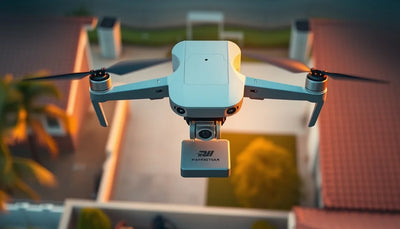
Etterforskningen retter seg ikke direkte mot DJI selv. I stedet fokuserer det på tredjepartsprodusenter som lager kamera-lookalikes – produkter designet for å etterligne utseendet og muligens den tekniske funksjonen til DJI gimbal-kameraer. Disse enhetene selges ofte som ettermarkedserstatninger eller som komponenter i DIY dronebygg. FCCs interesse tyder på at noen av disse produktene kan inneholde RF-moduler som ikke er sertifisert for bruk i USA, eller som gjør uautorisert bruk av intellektuell eiendom som styrer trådløs kommunikasjon.
FCC-etterforskningen i kontekst
FCC har lenge hatt autoritet over radiofrekvente utslipp i USA. Enhver enhet som overfører trådløse signaler – inkludert dronekamerasystemer som kommuniserer med en fjernkontroll eller har egen Wi-Fi – må oppfylle FCC-sertifiseringskravene. Undersøkelsen av DJI kameralookalikes ser ut til å være en del av en bredere innsats for å håndheve samsvar blant mindre elektronikkimportører og -montører.
Operator checklist
Turn policy news into a safer fleet decision.
Before changing aircraft, compare repair paths, available DJI inventory, and trade-in timing against the rule change.

Rapporten navngir ikke de spesifikke selskapene som undersøkes, og spesifiserer heller ikke nøyaktig hva den "lånte teknologien" innebærer. Mønsteret er imidlertid kjent: uoffisielle ettermarkedsdeler benytter noen ganger generiske eller klonede trådløse brikkesett som ikke har gjennomgått den formelle testprosessen til FCC. For en kommersiell operatør er ikke dette bare et spørsmål om papirarbeid. Usertifiserte RF-moduler kan forstyrre andre kritiske systemer, inkludert GPS, telemetrilenker eller luftfartskommunikasjon i nærheten. FCCs grep har derfor en praktisk sikkerhetsdimensjon utover det juridiske.
Reboot Hub-analyse: For bruktmarkedet for DJI introduserer etterforskningen et element av usikkerhet. En brukt drone som opprinnelig ble levert med et ekte DJI-kamera er ikke i faresonen. Men dersom en selger har erstattet kameraet med en kopi fra ettermarkedet – eller hvis en kjøper anskaffer en brukt enhet som senere viser seg å inneholde usertifiserte komponenter – kan utstyret bli ikke-kompatibelt. Flåteoperatører som er avhengige av en stabil reservedelsforsyning bør følge med på hvordan denne granskingen utvikler seg, da den kan føre til tollstans eller importrestriksjoner på enkelte kameramoduler.
Implikasjoner for bruktmarkedet for DJI
Bruktmarkedet for DJI-droner har vokst jevnt etter hvert som operatører oppgraderer til nyere modeller eller forlater bransjen. Mange kjøpere velger inspiserte brukt-droner fordi de tilbyr en velprøvd plattform til en lavere inngangskostnad. FCC-etterforskningen truer ikke direkte verdien av ekte DJI-droner, men den introduserer en risikofaktor for alle brukte fartøy som har blitt modifisert med et ikke-OEM-kamera.
Selgere på bruktmarkedsplasser bør være forberedt på å dokumentere kameramodulenes opprinnelse. En kjøper som ikke er klar over at en kameramodul kommer fra en uautorisert produsent, kan senere oppdage at dronen ikke sender lovlig, eller ikke kan brukes til kommersielle operasjoner under Part 107. For flåteforvaltere er dette et ekstra punkt for aktsomhetsvurdering ved anskaffelse av brukte fartøy fra eksterne kilder.
På den annen side kan etterforskningen styrke verdien av utstyr med en tydelig historikk. Droner solgt av anerkjente kilder som verifiserer originale komponenter – slik som brukte DJI-droner med bekreftede OEM-deler – blir en mer forutsigbar investering. Den samme logikken gjelder for reservekameraer. Dersom FCC strammer inn markedet for kopier fra ettermarkedet, kan ekte DJI-kameramoduler holde seg bedre i verdi, og etterspørselen etter profesjonelle DJI-reparasjonstjenester som benytter komponenter fra OEM, kan øke.
Hva dette betyr for dronekjøpere
Hvis du vurderer å kjøpe en brukt DJI-drone eller en kameramodul fra ettermarkedet, tilfører FCC-etterforskningen et nytt behov for grundig sjekk. Her er hva du bør være oppmerksom på.
For det første: Spør selgeren om kameramodulens opprinnelse. Er det den originale DJI-enheten som fulgte med fartøyet? Har den blitt byttet ut? Hvis den er byttet, hvilket merke eller modell ble brukt? En selger som ikke kan svare på disse spørsmålene, kan tilby utstyr med ukjent samsvarsstatus. For det andre: Unngå kamerakopier fra ukjente merker med mindre selgeren kan fremlegge bevis på FCC-sertifisering. Mange legitime ettermarkedsprodusenter oppnår FCC-godkjenning, men etterforskningen tyder på at enkelte tar snarveier.
For det tredje: Vurder dronens langsiktige servicemuligheter. Hvis du drifter en flåte, vil standardisering på ekte DJI-kameraenheter forenkle reparasjonslogistikken. Når et kamera svikter, kan et verksted som bruker OEM-originaldeler gjenopprette fartøyet til sin opprinnelige sertifiserte tilstand. Dette blir vanskeligere dersom tilgangen på kopideler blir begrenset av regulatoriske tiltak.
Til slutt: Hvis du planlegger å selge en drone i fremtiden, vil det sannsynligvis gi en høyere pris og færre innvendinger fra kjøpere å opprettholde en umodifisert OEM-konfigurasjon. Den innbytteguiden for droner kan hjelpe deg med å vurdere hvordan modifikasjoner påvirker videresalgsverdien, men hovedregelen er klar: sertifiserte OEM-komponenter er tryggere, juridisk sett mer uproblematiske og bedre for langsiktig flåteplanlegging.
Vurderinger rundt reparasjon og reservedeler
For operatører som benytter seg av tredjeparts reparasjonstjenester, er FCC-undersøkelsen en påminnelse om at ikke alle reservemoduler for kamera er likeverdige. Enkelte verksteder kan bruke uoriginale enheter for å holde kostnadene nede, men dersom disse enhetene blir gjenstand for etterforskning eller tilbakekalling, kan den reparerte dronen bli ubrukelig i US. Profesjonelle reparasjonstjenester som benytter originale OEM-reservedeler, unngår denne risikoen fullstendig.
Undersøkelsen har også potensielle implikasjoner for droneimportører og distributører. Dersom FCC utvider granskingen til å omfatte andre komponenter, som radiomoduler eller gimbal-aktuatorer, kan økosystemet for ettermarkedshandel oppleve en periode med ustabilitet. Kommersielle operatører bør opprettholde et rimelig lager av kritiske reservedeler – spesielt kameramoduler – for å skjerme flåten mot midlertidige leveranseproblemer.
Flåteledere som har standardisert på DJI-utstyr, bør også gå gjennom vedlikeholdsloggene for å identifisere tilfeller der det er installert kameraer fra ettermarkedet. Ved å proaktivt erstatte disse enhetene med OEM-deler før regulatoriske frister, kan man unngå fremtidige komplikasjoner med regelverksetterlevelse. Siden undersøkelsen pågår, er det ikke kunngjort noen spesifikk tidslinje for håndheving, men retningen er klar: usertifisert trådløst utstyr er under lupen.
Har jeg lov til å fly en drone med en kameramodul fra ettermarkedet?
Det avhenger av om kameramodulen inneholder en sertifisert radiosender. Hvis modulen bruker sin egen trådløse tilkobling (for eksempel en Wi-Fi-kobling til en telefon), må den ha FCC-autorisasjon. Mange ettermarkedsmoduler mangler dette. Flyging med en usertifisert modul kan potensielt være i strid med FCC-reglene, selv om håndhevingen vanligvis er rettet mot selgere og importører snarere enn sluttbrukere. Likevel bør aktsomme operatører verifisere sertifiseringen før kommersiell flyging.
Vil FCC-undersøkelsen påvirke verdien av min brukte DJI-drone?
Dersom dronen din har det originale DJI-kameraet og ikke har ettermarkedsmodifikasjoner, bør undersøkelsen ikke ha noen direkte innvirkning på verdien. Faktisk kan det økte fokuset på ikke-OEM-deler styrke etterspørselen etter droner med verifiserte originalkomponenter. Droner med utskiftede eller ukjente kameramoduler kan oppleve redusert kjøperinteresse.
Hva bør jeg gjøre hvis jeg allerede eier en uoriginal kameramodul?
Sjekk om produsenten kan fremlegge dokumentasjon på FCC-sertifisering. Hvis de ikke kan eller vil, bør du vurdere å erstatte modulen med en original DJI-enhet eller et sertifisert alternativ. Å beholde en usertifisert modul kan begrense muligheten for videresalg og kan reise juridiske spørsmål dersom FCC iverksetter ytterligere tiltak. Et verksted som benytter OEM-deler kan hjelpe deg med å utføre byttet på en trygg måte.
Sources consulted
- DroneXL FCC legacy import ban report - primary source
- FCC covered equipment import and marketing order - official FCC document
- FCC Covered List - official regulator source
- FCC DA-26-635 public notice PDF - official FCC public notice
- FCC-22-84A1.txt - official government source
Reboot Hub Editorial adds buyer, repair, resale, and operational analysis for drone owners. If you spot an error, contact us for correction review through our editorial policy.