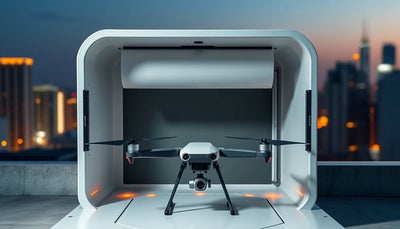
Insta360 fjernkontrollpatent: DJI FrameTap Rival kommer?
Et nylig publisert patent antyder at Insta360 utvikler en fjernkontroll som kan konkurrere med DJIs FrameTap-system. Vi undersøker hva dette betyr for dronekjøpere, flåteoperatører og det pre-eide DJI-markedet.

En nylig dukket patentsøknad fra Insta360 har utløst spekulasjoner om en ny fjernkontroll som direkte kan konkurrere med DJIs FrameTap-system. Patentet, rapportert av NEW CAMERA og aggregert i Google News DJI-feeder, antyder at Insta360 utforsker en maskinvarekontroller designet for trådløst å administrere kameraer og muligens droner. For kommersielle UAV-operatører og flåteforvaltere som er avhengige av DJIs økosystem for FPV-flyging, kamerakardankontroll og sanntidsovervåking, er et troverdig alternativ fra et selskap kjent for 360-de modulære actionkamera rigger og modulært kamera-overvåking.
Denne artikkelen inneholder ikke bekreftede tekniske spesifikasjoner. Patentet er fortsatt på søknadsstadiet, og ingen produkter er annonsert. Det strategiske signalet er imidlertid klart: Markedet for fjernkontrollmaskinvare for droner og actionkameraer er i ferd med å bli mer overfylt. Nedenfor bryter vi ned hva dronekjøpere, reparasjonskunder og det pre-eide DJI-markedet bør vurdere når Insta360 tar sikte på DJIs dominans av tilbehør.
Hva patentet avslører om Insta360s ambisjoner
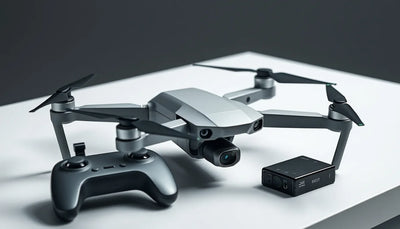
Det aktuelle patentet beskriver en fjernkontrollenhet som ser ut til å integrere en skjerm, fysiske knapper og trådløs tilkobling – en formfaktor som minner om DJIs FrameTap-kontroller. FrameTap, for kontekst, er DJIs dedikerte fjernkontroll for Osmo-serien og noen drone-gimbals, og tilbyr forhåndsvisning med lav latens, innramming og justering av kameraparametere. Insta360s patent foreslår et lignende konsept: en håndholdt kontroller som kan erstatte en smarttelefon eller nettbrett for live view og kontroll av Insta360 og potensielt tredjepartskameraer.
Market context
Turn market news into a buy, repair, or trade-in decision.
Compare pre-owned availability, resale timing, and repair economics before the market moves again.

Mens patentet ikke eksplisitt nevner droner, inkluderer Insta360s eksisterende produktlinje ONE RS modulært kamerasystem, som kan monteres på tredjepartsdroner eller brukes som en håndholdt. En dedikert fjernkontroll kan bygge bro over et gap som mange kommersielle operatører føler: behovet for en fysisk kontroller når de flyr en drone med en tung kameranyttelast eller når de opererer i sterkt utendørs lys der telefonskjermer vaskes ut. Patentets eksistens signaliserer at Insta360 ser en markedsmulighet blant luftfilmskapere, landmålere og inspeksjonspiloter som for tiden bruker DJIs FrameTap eller sammenlignbare tredjepartsløsninger.
For flåteoperatører og reparasjonsverksteder er denne utviklingen viktig fordi Insta360 historisk har tilbudt fastvareoppdateringer og tilbehør som konkurrerer direkte med DJIs økosystem. Hvis Insta360 lanserer en fjernkontroll, kan den låse opp nye arbeidsflyter for dronepiloter som ønsker å mikse og matche kamerasystemer uten å kjøpe en komplett DJI dronepakke. Det pre-eide DJI-markedet, spesielt, kan se økt etterspørsel etter DJI-droner uten fjernkontroller, ettersom kjøpere ser etter å koble dem sammen med tredjepartsalternativer.
Hvordan en FrameTap-konkurrent kan endre dronemarkedet
Drone-fjernkontrollmarkedet er dominert av DJI, som kombinerer sin Smart Controller, RC Pro og FrameTap med sine droner og gimbals. Tredjepartsalternativer som Radiomaster TX16S eller TBS Tango finnes for åpen kildekode-flykontrollere, men de mangler den tette integrasjonen som DJI tilbyr for kamerakontroll og direktestrømming. En Insta360-fjernkontroll vil målrette mot dette integrasjonsgapet, og muligens tilby kompatibilitet med kameraer som kan monteres på DJI-droner via ettermarkedsadaptere.
Kommersielle operatører som flyr DJI Matrice eller Mavic-plattformer for inspeksjoner eller kinematografi bruker ofte separate kamerasystemer – for eksempel et termisk kamera fra FLIR eller et 360-graders kamera fra Insta360 montert på en ZX3QTX0 drone. En enhetlig fjernkontroll som kan administrere både dronens flyparametere og kameraets opptaksinnstillinger vil forenkle cockpitadministrasjonen. Patentet antyder en slik evne, selv om den nøyaktige protokollen og kompatibiliteten ikke er avslørt.
Fra et reparasjons- og pre-eid perspektiv kan enhver ny fjernkontroll som fungerer på tvers av merker øke videresalgsverdien til eldre DJI-droner. Foreløpig selges en pre-eid DJI Phantom eller Mavic 2 Pro ofte som et sett som inkluderer den originale fjernkontrollen. Hvis kjøpere kan velge å pare en drone med en nyere tredjepartsfjernkontroll som tilbyr bedre ergonomi eller lavere latenstid, kan dronekroppen alene beholde sin verdi som en modulær komponent. Verksteder kan se flere forespørsler om å utstyre eldre droner med mottakere og gimbalfester som ikke er fra DJI, og potensielt utvide profesjonelle DJI reparasjonstjenester markedet for re-kabling og fastvaremodifikasjoner.
Hva dette betyr for dronekjøpere
For alle som vurderer et dronekjøp i 2026,, bør fremveksten av en FrameTap-rival be om en nærmere titt på kompatibilitet med arbeidsflyt. Hvis du er en solooperatør eller en liten flåteeier som primært fotograferer med Insta360-kameraer for eiendoms- eller arrangementsarbeid, kan det hende at du kan konsolidere kontrollmaskinvaren hvis du venter på at denne fjernkontrollen skal starte før du oppgraderer dronen. Alternativt, hvis du allerede eier en DJI-drone og er fornøyd med FrameTap, indikerer ikke patentet noen umiddelbar konkurranse som vil endre opplevelsen din.
Store flåteoperatører bør overvåke Insta360s utvikling for potensiell integrasjon med bedriftsdroner. Muligheten til å kontrollere flere kameratyper fra en enkelt fjernkontroll kan redusere antallet reservekontrollere en flåte må ha for forskjellige oppdrag. Det kan også forenkle opplæring, ettersom piloter ville lære ett grensesnitt i stedet for flere proprietære fjernkontroller. Men inntil et produkt er utgitt og kompatibilitet er bekreftet, er det klokt å fortsette å bygge reparasjons- og reservedelsbeholdningen rundt DJIs økosystem.
Et praktisk trinn er å sjekke din nåværende drones kompatibilitet med tredjepartskontrollere. Hvis du flyr en DJI-drone som bruker OcuSync 2.0 eller 3.0,, kan det være mulig å bruke visse tredjepartsfjernkontroller med modifisert fastvare, men det ugyldiggjør garantien og kompliserer reparasjonen. For de fleste operatører er det sikreste grepet å fortsette å bruke DJIs kontroller for nå, men å sette inn en påminnelse om å gå tilbake til denne analysen når Insta360 kunngjør kommersielle detaljer. Hvis du er på markedet for en brukt drone, kan du finne inspiserte, flytestede alternativer som inkluderer den originale fjernkontrollen og tilbehør – en komplett pakke som vil holde verdi uansett hva Insta360 utgir. Bla gjennom brukte DJI droner for godt vedlikeholdte sett.
Implikasjoner for det pre-eide DJI dronemarkedet og reparasjonstjenester
Det pre-eide DJI-markedet er følsomt for interoperabilitet av tilbehør. Når DJI slipper nye kontrollere som er bakoverkompatible med eldre droner, øker etterspørselen etter de eldre dronene. Hvis Insta360 slipper en fjernkontroll som fungerer med spesifikke DJI-dronemodeller, kan det ha en lignende effekt: kjøpere kan oppsøke eldre, billigere droner som kan pares med Insta360-kontrolleren for en lavere inngangskostnad. Det kan presse opp prisene for brukte DJI-droner som er kjent for å være kompatible.
Reparasjonstjenester bør forberede seg på en økning i forespørsler om å tilpasse eldre DJI-dronekropper til å fungere med ikke-DJI-kontrollere. Dette inkluderer å feste reservedeler på nytt, oppdatere fastvare og noen ganger bytte ut mottakermodulen. Profesjonelle DJI reparasjonstjenester som bruker ekte OEM deler vil være avgjørende for å opprettholde påliteligheten når du blander merker. Å skille ut eldre droner for gimbal- og kameramoduler kan også bli mer lønnsomt hvis selve dronekroppen blir en enkel flygende plattform for tredjepartskontroll.
For selgere av pre-eide DJI-droner, er patentet en grunn til å holde på inventar som kan selges som "kun drone" (ingen fjernkontroll). Hvis Insta360s produkt lanseres vellykket, kan disse flyskrogene bli mer verdifulle hver for seg. For kjøpere er det nå et godt tidspunkt å vurdere innbyttealternativene dine. Hvis du har en eldre DJI drone med en skadet fjernkontroll, bør du vurdere å bruke en innbytteguide for drone å forstå dens restverdi før markedet justerer seg.
Hva bør en kjøper, pilot, reparasjonskunde eller flåtesjef gjøre annerledes etter å ha lest dette?
Flåteledere bør legge til et notat til anskaffelsesplanene sine: innlemme et "tredjeparts ekstern kompatibilitet"-kriterium når de evaluerer nye dronekjøp. For nå, fortsett å bruke DJI FrameTap eller OEM kontrollere, men hold øye med Insta360s produktlanseringer for potensielle kostnadsbesparelser og fleksibilitet. Piloter som er avhengige av ettermarkedsadaptere for 360-kameraer vil kanskje utsette å kjøpe en dedikert kontroller til Insta360-produktdetaljene dukker opp.
Hva er DJI FrameTap og hvorfor ønsker Insta360 å konkurrere med den?
DJI FrameTap er en liten håndholdt enhet som kobles til en smarttelefon for å gi fysiske kamerakontrollknapper, et kuldeskofeste og utvidet batterilevetid for Osmo-serien og visse drone-gimbals. Insta360s patent beskriver en lignende enhet, og antyder at de har som mål å tilby et mer åpent alternativ som fungerer med deres egne kamerasystemer og muligens tredjepartskameraer.
Vil Insta360-fjernkontrollen fungere med DJI-droner?
Det er ikke kjent fra patentet alene. Insta360-kameraer er ofte montert på DJI-droner ved bruk av tredjepartsfester. Hvis fjernkontrollen bruker en standard trådløs protokoll (som Wi-Fi eller Bluetooth), kan den være i stand til å kontrollere kameraet mens en separat DJI fjernkontroll kontrollerer dronen. Full integrasjon med DJI flykontroll er usannsynlig med mindre selskapene samarbeider.
Bør jeg selge min DJI-drone nå i påvente av en konkurrent?
Sannsynligvis ikke. Patentet er på et tidlig stadium, og ingen produktutgivelse er bekreftet. Brukte DJI-droner er fortsatt etterspurt og er godt støttet av reparasjonstjenester. Med mindre du trenger å oppgradere kameraer eller redusere tilbehørets fotavtrykk, er det ingen hast. Overvåk bransjenyheter for konkrete produktkunngjøringer før du tar flåtebeslutninger.
Sources consulted
- DIU Blue UAS - official government source
Additional official documentation was not available at publication time.
Reboot Hub Editorial adds buyer, repair, resale, and operational analysis for drone owners. If you spot an error, contact us for correction review through our editorial policy.