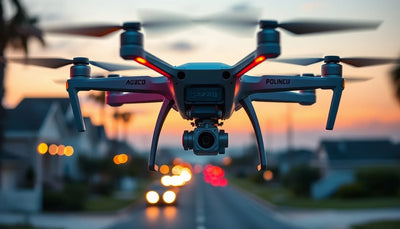
Canadian Drone Maker AVSS Surpasses 2,000 Systems Built, Outpaces 2025 Total
AVSS (Aerial Vehicle Safety Solutions) has manufactured over 2,000 drone parachute recovery systems so far this fiscal year, already exceeding its entire 2025 output. The milestone signals growing demand for safety systems and has implications for fleet operators planning compliance and upgrades.

Canadian drone safety specialist AVSS (Aerial Vehicle Safety Solutions) announced today that it has manufactured more than 2,000 drone components and systems so far in its current fiscal year. Based in Fredericton, New Brunswick, the company has already beaten its full-year production total from the previous fiscal year with several months still left on the calendar. AVSS is best known for its parachute recovery systems, which provide a controlled descent for drones in the event of a motor failure, battery loss, or pilot error. The milestone, reported by DroneXL.co, underscores the accelerating adoption of safety systems across the commercial drone sector.
For fleet operators, repair shops, and buyers on the second-hand market, this production ramp is more than a headline. It reflects a broader shift in how drone missions are planned, insured, and publicly accepted. When a component manufacturer scales output to this degree, it often signals that larger enterprise and public‑safety customers are requiring parachute systems as standard equipment. The question for many operators is no longer if they should add a recovery system, but when and which model fits their existing fleet.
Production ramp signals strong demand for safety systems
AVSS does not break down exact figures for the prior fiscal year, but the announcement states that the 2,000‑unit mark already exceeds the company’s full‑year total for 2025 with months of production left in the current year. This suggests a year‑over‑year growth rate well into the double digits, driven by both new drone models and retrofit demand. The company’s parachute systems are used across many popular platforms, including several DJI enterprise drones, though AVSS has not released a current compatibility list in this announcement.
Market context
Turn market news into a buy, repair, or trade-in decision.
Compare pre-owned availability, resale timing, and repair economics before the market moves again.

Reboot Hub analysis: The rapid production increase has practical implications. Higher volume typically means shorter lead times for orders, which benefits fleet operators who have been waiting weeks for safety equipment. It also implies that AVSS has invested in manufacturing capacity, quality control, and supply chain redundancy. For buyers, a manufacturer that can consistently deliver larger batches is more likely to support long‑term service and spare parts availability.
Operators should note that a parachute recovery system is not a one‑size‑fits‑all upgrade. The weight, attachment method, and deployment logic must be matched to the drone’s airframe, flight controller, and typical payload. AVSS’s production record suggests the company has refined its designs enough to scale, which is a positive sign for reliability. However, any operator considering adding such a system should verify compatibility with their specific model and firmware version before purchase.
What this means for drone buyers
For anyone shopping for a new or used drone today, safety features are moving from optional to expected. Parachute systems are increasingly demanded by insurance underwriters, government contracts, and public‑safety agencies. AVSS’s production milestone indicates that supply is keeping pace with this demand, which should help stabilize prices and reduce the risk of backorders.
Buyers looking at the pre‑owned market should ask whether a used drone has a parachute system already installed or can be retrofitted. Drones that lack this safety equipment may become harder to insure or lease for certain jobs, especially as regulations in Canada, the United States, and Europe continue to evolve. If you are considering upgrading your fleet, now is a sensible time to review the safety‑system options available for your current models. For those looking to sell older drones, having a compatible parachute system may increase resale value and speed up the sale.
One concrete action for buyers: when comparing new drones, factor the cost and lead time of an aftermarket parachute system into your total purchase budget. If you are browsing through pre-owned DJI drones, ask the seller about compatibility with AVSS or equivalent recovery systems. A drone that already has a parachute mount or wiring pass‑through will save you installation time and cost.
Fleet managers should also consider using a drone trade-in guide to evaluate whether older airframes without safety upgrades are worth keeping or should be replaced with newer, more safety‑ready models.
Implications for fleet operators and repair services
Parachute recovery systems require periodic inspection, repacking, and battery checks—much like life jackets or airbags on manned aircraft. As more drones are equipped with these systems, the demand for specialized maintenance grows. AVSS’s production growth suggests that the installed base of parachute‑equipped drones is expanding, creating a natural need for repair and recertification services.
For professional repair shops, having technicians trained on parachute system maintenance can become a competitive advantage. Operators should verify that their repair provider understands the deployment mechanism, pyrotechnic or spring‑actuated release, and post‑deployment repacking procedures. If you operate a fleet that includes AVSS systems, it is wise to establish a relationship with a service center that stocks genuine parts. Using non‑certified parts or procedures could void the system’s warranty and, more importantly, compromise safety during an actual descent.
Repair customers can turn to professional DJI repair services that also handle third‑party safety components. Because many AVSS systems are installed on DJI platforms, a repair center that is familiar with both the airframe and the parachute system can streamline diagnostics and reduce downtime. When scheduling maintenance, ask whether the shop follows the manufacturer’s recommended service intervals for the recovery system—typically every six to twelve months depending on usage and environmental conditions.
For fleet operators, the decision to retrofit older drones with parachute systems should be weighed against the cost of upgrading to newer models that may have integrated safety features. AVSS’s production ramp may also lead to more affordable retrofit kits in the near term, but labor and certification costs remain. A thorough cost‑benefit analysis that includes insurance premium reductions and contract eligibility can help justify the investment.
The broader market context
AVSS’s achievement fits into a larger trend of professional drone operations requiring redundant safety systems. While no new regulations were cited in this announcement, many jurisdictions are moving toward mandatory recovery systems for flights over people or beyond visual line of sight. A manufacturer that can scale production is better positioned to meet that future demand. The fact that AVSS is located in Canada, a country with active drone regulation reforms, also suggests that the company is aligning its capacity with anticipated North American requirements.
Reboot Hub analysis: For the second‑hand drone market, safety equipment is becoming a differentiating factor. Drones that can demonstrate a parachute system installation are likely to command higher prices and sell faster. Sellers who have invested in safety upgrades should highlight this in listings. Buyers should treat the presence of a parachute system as a tangible asset, not just a nice‑to‑have. The production news from AVSS reinforces that these systems are no longer niche—they are entering the mainstream of commercial drone operations.
Supply chain watchers will note that AVSS builds its systems in Fredericton, meaning the company is not reliant on overseas manufacturing for its core components. This can reduce some of the volatility that has affected drone component pricing over the past two years. For buyers and repair shops, domestic or near‑shore production often means more predictable stock levels and faster warranty support.
Ultimately, the takeaway for the industry is clear: safety system manufacturers are investing in capacity because their customers—drone operators—are treating safety as a baseline requirement. Whether you are buying a new platform, selling a used one, or planning a fleet expansion, factoring in parachute recovery systems early in the process will save time, money, and risk. AVSS’s production milestone is a signal that the market has reached an inflection point.
What is AVSS?
AVSS (Aerial Vehicle Safety Solutions) is a Canadian company based in Fredericton, New Brunswick, that designs and manufactures parachute recovery systems for drones. Their products are used on many commercial and enterprise drone platforms to provide a controlled descent in emergencies, reducing the risk of injury or property damage.
How does a drone parachute system work?
A drone parachute system is typically mounted on the top or side of the airframe. When the flight controller detects a critical failure—such as motor stop, propeller loss, or battery disconnection—the system deploys a parachute that slows the drone’s descent. Most systems are activated automatically, with a manual backup switch on the remote controller. After deployment, the parachute must be repacked by a qualified technician before the next flight.
Should I buy a drone with a built-in parachute or add an aftermarket system?
It depends on your specific drone model and mission requirements. Newer enterprise drones sometimes offer factory‑integrated parachute mounts, which can simplify installation and avoid weight trade‑offs. For drones already in your fleet, an aftermarket system from a company like AVSS is often the most cost‑effective way to add safety. Check compatibility, weight limits, and whether the installation affects your drone’s payload capacity or warranty before deciding.
Sources consulted
- DroneXL.co - primary source
Additional official documentation was not available at publication time.
Reboot Hub Editorial adds buyer, repair, resale, and operational analysis for drone owners. If you spot an error, contact us for correction review through our editorial policy.