Why drone operators are shifting from purchases to partnerships
A growing number of commercial drone operators are moving away from outright purchases toward partnership models. The Hindu reports this shift is reshaping fleet planning, repair cycles, and the pre-owned DJI drone market in 2026.

Redactionele noten
- Dit artikel combineert genoemde externe rapportages met de eigen analyse van Reboot Hub voor drone-kopers, vlootbeheerders, reparatieklanten en waarnemers van de tweedehands DJI-markt.
- Bronfeiten worden gescheiden van interpretaties. Wanneer een rapport beperkte gegevens biedt, vermeldt het artikel deze beperking en wordt het standpunt van Reboot Hub als analyse gepresenteerd.
- Reboot Hub heeft commerciële links naar droneproducten en reparatiediensten; deze links zijn hulpmiddelen voor de lezer en bepalen niet de conclusie van het artikel.
The commercial drone industry has long operated on a straightforward transaction model: a buyer selects a platform, pays upfront, and takes ownership of the hardware. But that pattern is showing signs of change. The Hindu recently reported a growing trend in which drone operators and enterprises are moving away from outright purchases and toward partnership-based arrangements. For fleet managers, repair customers, and buyers in the pre-owned DJI market, this shift carries practical implications that extend well beyond the initial acquisition decision.

The move from ownership to partnership is not unique to drones. It mirrors broader shifts in enterprise technology, where hardware-as-a-service and managed fleet agreements have become common in sectors such as construction, agriculture, and public safety. What makes the drone industry particularly interesting is the maturity of the second-hand market and the availability of genuine OEM spare parts, two factors that make partnership models more viable for operators who might otherwise hesitate to commit to long-term contracts.
In this analysis, we examine what the source report indicates about the partnership trend, explore the operational logic behind it, and break down what commercial drone buyers and repair customers should consider as the market evolves.
The partnership model explained
The Hindu reports that several drone service providers and enterprise operators are restructuring their acquisition strategies. Instead of purchasing drones as capital assets, these organizations are entering multi-year agreements with fleet partners who provide hardware, maintenance, and sometimes pilot services under a single contract. The motivation is not simply cost avoidance. It reflects a deeper recognition that drone technology evolves quickly, and tying up capital in platforms that may be superseded within two to three years carries real financial risk.
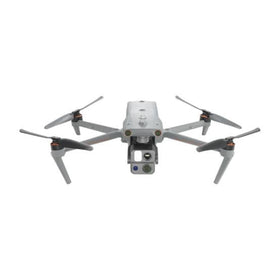
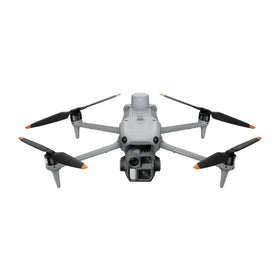
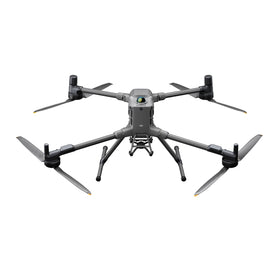
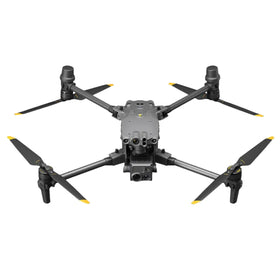
Under a partnership model, the fleet partner retains ownership of the hardware. The operator pays a recurring fee that covers the drone, periodic upgrades, and access to a certified repair network. For operators using platforms like the DJI Matrice series or enterprise-grade Mavic variants, this approach can streamline budgeting and reduce downtime. When a unit requires maintenance, the partner coordinates the repair using genuine OEM spare parts, often swapping in a pre-unit while the original is serviced. This contrasts with the traditional model, where an operator must either maintain an internal repair capability or manage third-party repair logistics independently.
The source report also highlights that partnership agreements are becoming more common in government and public safety procurement. Agencies that once purchased drones through capital budgets are now exploring service-level contracts that guarantee fleet availability and compliance with evolving regulations. For suppliers, this creates recurring revenue streams and deeper customer relationships, but it also demands greater investment in inventory, repair infrastructure, and quality assurance.
For the pre-owned DJI drone market, the partnership trend has a subtle but meaningful effect. When fleet partners rotate hardware under contract terms, the retired units often re-enter the market as inspected pre-owned platforms. This increases the supply of well-maintained, documented drones available to individual buyers and smaller operators who prefer ownership over subscription models. The result is a two-tier marketplace: one for enterprise partners operating on contract and another for buyers seeking high-quality pre-owned equipment with clear service histories.
What this means for drone buyers
For anyone evaluating a drone purchase in 2026, the partnership trend introduces a decision point that was less relevant even two years ago. Buyers now have to weigh whether outright ownership or a service agreement better suits their operational profile. The Hindu report suggests that this is not a one-size-fits-all calculation. Operators with predictable, high-utilization fleets may find partnership models cost-effective because they shift repair and upgrade responsibilities to the provider. Operators with variable or seasonal demand may prefer ownership, especially if they can access the pre-owned market for lower entry costs.
Commercial drone planning
Build the next fleet step around inspected hardware and serviceable parts.
Use Reboot Hub to compare pre-owned DJI drones, repair options, and OEM components before the market moves again.
Individual buyers and small fleet operators should pay close attention to the condition and documentation of any pre-owned DJI drone they consider. As partnership agreements drive more hardware into the second-hand channel, the availability of units with verified service records and OEM-pulled parts increases. This is a genuine advantage for buyers who take the time to source from reputable channels that provide transparency on flight hours, repair history, and component provenance.
Repair customers also face a shifting landscape. Under partnership models, repair decisions are often handled by the fleet provider, which typically contracts with certified service centers that use genuine OEM spare parts. For independent repair customers, this raises the importance of choosing a repair partner that maintains equivalent standards. Using non-certified parts or unauthorized repair workflows can void warranty coverage and reduce resale value, a particularly important consideration for anyone who may later sell their drone into the pre-owned market.
The practical takeaway for buyers is straightforward: before committing to a purchase or a partnership, evaluate your expected utilization rate, your tolerance for hardware generation risk, and your access to quality repair services. If you operate in a fast-changing regulatory or technical environment, a partnership model may offer more flexibility. If you prefer to own and control your equipment, the pre-owned DJI market currently offers strong value, provided you buy from a source that inspects and certifies each unit.
Operational and fleet planning implications
Fleet operators face a different set of considerations. The partnership model changes how they think about fleet composition, repair cycles, and capital allocation. Instead of managing a static set of assets that depreciate over time, operators with partner agreements can adjust fleet size and capability as mission requirements change. A construction firm, for example, might scale up survey capacity during peak building season and reduce it during winter months without carrying idle hardware.
The Hindu report notes that this flexibility is driving interest from sectors such as agriculture, infrastructure inspection, and emergency response. These verticals share a common need: reliable drone access without the administrative burden of fleet maintenance. For operators in these fields, partnership agreements can reduce the time spent on repair logistics, firmware compliance, and battery management, freeing resources for core operations.
However, partnership models also introduce dependency on a single provider. Operators should examine contract terms carefully, particularly around repair turnaround times, equipment substitution rights, and end-of-contract transition procedures. A partnership that locks an operator into a specific platform or repair chain without exit options carries hidden risk, especially if regulatory changes or mission requirements shift unexpectedly.
For the repair ecosystem, the partnership trend reinforces the importance of OEM-quality service. As more hardware moves through partner fleets, the demand for professional repair services using genuine DJI spare parts is likely to grow. Independent repair shops that can meet certification standards and maintain parts inventory will be well positioned. Shops that rely on generic components or informal repair methods may find themselves excluded from the fastest-growing segment of the market.
Pre-owned DJI drone supply is also affected. Fleet partners typically retire hardware on a schedule, not necessarily because the drone is worn out, but because the contract terms require platform updates. This creates a predictable flow of well-maintained units into the second-hand market. For buyers, this is an opportunity, provided they can verify the unit's history. For sellers and traders, it means paying close attention to maintenance records and part authenticity, as these factors increasingly determine resale value.
What operators and repair customers should do now
The shift from purchases to partnerships does not signal the end of drone ownership. It signals a maturing market where multiple acquisition models can coexist. Operators should take a deliberate approach to evaluating which model fits their specific operational demands. The Hindu report indicates that the trend is most pronounced among enterprise and government users, but it is spreading to smaller operators as partnership providers begin offering scaled-down agreements with lower commitment levels.
For buyers considering the pre-owned DJI market, the current environment is favorable. The partnership trend is increasing the volume of inspected pre-owned drones entering circulation, and competition among sellers is keeping prices reasonable. The key is to buy from a source that provides full transparency on flight hours, repair history, and the authenticity of components. A pre-owned drone with documented OEM part replacements holds its value better than one with an unknown service history, and it is more likely to perform reliably across a range of missions.
Repair customers should verify that any service provider they use sources genuine OEM spare parts. The partnership trend is raising the baseline expectation for repair quality across the industry. Using a repair service that relies on aftermarket or non-certified components may save money in the short term but can reduce the drone's operational lifespan and resale value. For fleet operators, it can also introduce liability concerns if a component failure leads to mission failure or safety incidents.
The broader lesson from the partnership trend is that the drone industry is becoming more service-oriented. Whether you choose to own or to partner, the quality of the service ecosystem around your hardware matters more than ever. That includes the repair network, the spare parts supply chain, and the pre-owned market infrastructure. Operators who invest time in understanding these elements will make better acquisition decisions and get more value from their drones over the full lifecycle.
One operator-facing recommendation emerges clearly: if you currently own a fleet and are considering a partnership model, start by auditing your actual utilization and repair costs over the past 12 months. Compare that data with the total cost of a partnership agreement, including any hidden fees or lock-in clauses. If the numbers favor partnership, transition gradually by moving only a portion of your fleet to the new model first. If they favor ownership, focus on maximizing the value of your existing hardware by investing in quality repair and documentation, so that when you eventually sell, you command a premium in the pre-owned market.
How does the partnership model affect the resale value of my drone?
If you own your drone outright and maintain it with genuine OEM spare parts and documented service history, the partnership trend can actually support strong resale value. As more fleet partners rotate hardware into the pre-owned channel, buyers become more discerning about provenance. A well-documented, professionally maintained pre-owned unit stands out and typically commands a higher price.
Is a partnership agreement cheaper than buying a pre-owned DJI drone?
It depends on your utilization and time horizon. For high-utilization fleets, the recurring fee under a partnership may be offset by lower repair costs and no upfront capital outlay. For lower-utilization operators, buying a pre-owned DJI drone with a clear service history often results in lower total cost over three to five years. The Hindu report emphasizes that the decision should be based on a detailed comparison of your specific operational pattern.
What should I look for in a pre-owned drone if partnership models are growing?
Focus on three things: flight hours, repair history with genuine OEM spare parts, and the source's inspection process. Drones that have been maintained to certified standards and have transparent records are the most reliable and hold the best resale value. Avoid units with unknown service histories or evidence of non-certified repairs, as their marketability declines as partnership standards raise buyer expectations across the board.
From Reboot Hub
Build the next fleet step around inspected hardware and serviceable parts.
Use Reboot Hub to compare pre-owned DJI drones, repair options, and OEM components before the market moves again.
Pre-owned DJI drones
Inspected pre-owned aircraft with warranty coverage and clear condition grading.
Browse inventory ->Genuine-part repair
Diagnostics, repair planning, and component replacement for working DJI fleets.
Book a repair ->OEM spare parts
Batteries, propellers, gimbals, and essential DJI components for faster recovery.
Shop parts ->