Turkey’s Military Exercise Signals New Era for Drone Warfare in Libya and Syria
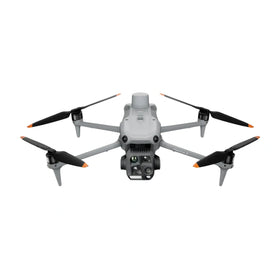
In a historic first, Libya and Syria joined Turkey's largest military exercise, signaling a seismic shift in the global drone market. For commercial UAV operators, this means tighter export controls on platforms like the Bayraktar TB2, surging demand for DJI Matrice 300/350 RTK units in the used drone market, and new BVLOS restrictions across NATO-aligned airspace. The second-hand drone sector is bracing for a flood of ex-military hardware entering civilian markets, disrupting pricing for Part 107 operators and surveyors alike.

Redactionele noten
- Dit artikel combineert genoemde externe rapportages met de eigen analyse van Reboot Hub voor drone-kopers, vlootbeheerders, reparatieklanten en waarnemers van de tweedehands DJI-markt.
- Bronfeiten worden gescheiden van interpretaties. Wanneer een rapport beperkte gegevens biedt, vermeldt het artikel deze beperking en wordt het standpunt van Reboot Hub als analyse gepresenteerd.
- Reboot Hub heeft commerciële links naar droneproducten en reparatiediensten; deze links zijn hulpmiddelen voor de lezer en bepalen niet de conclusie van het artikel.
On May 23, 2026, Ankara confirmed that Libya and Syria participated in Turkey's flagship military exercise for the first time, marking an unprecedented escalation in drone-enabled regional power projection. The Turkish Ministry of National Defense framed both nations' attendance as part of its broader military-restructuring and advisory programs, but the implications for the global commercial UAV industry are far more profound than any diplomatic press release suggests.
For commercial drone operators, defense contractors, and second-hand market analysts at Reboot Hub, this development signals a structural shift in how military-grade unmanned systems are developed, exported, and eventually recycled into civilian markets. The exercise, which prominently featured Bayraktar TB2 and Akinci drones, underscores Turkey's ambition to become the dominant drone supplier to conflict-affected states across the Middle East and North Africa (MENA) region.

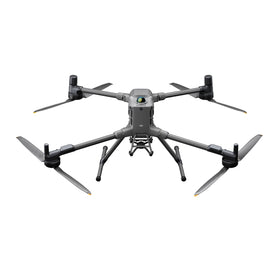
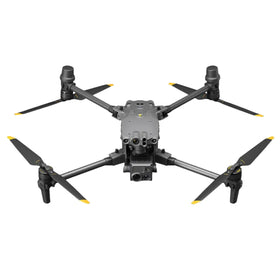
But what does this mean for the everyday commercial operator flying a DJI Matrice 350 RTK over a construction site in Texas, or a surveyor using a Phantom 4 RTK for precision mapping in Europe? The answer lies in the cascading effects of military drone proliferation on global supply chains, export controls, and the used drone market.
Fleet readiness
Keep DJI hardware available without overbuying new units.
Use this news as a planning signal for inspected DJI aircraft, repair support, and trade-in timing.
Geopolitical Context: Why This Exercise Matters for the Drone Industry
Turkey's "Efes-2026" exercise, held near Izmir, is the country's largest annual military drill. Historically, it has included NATO allies and partner nations. The inclusion of Libya and Syria-both nations with fractured sovereignty and ongoing internal conflicts-represents a deliberate policy shift. Ankara has provided Libya's Government of National Unity (GNU) with Bayraktar TB2 drones since 2019, and has similarly supplied Syrian opposition factions. This exercise formalizes those relationships into a structured military alliance.
For the drone industry, this means that Turkey is not merely a drone manufacturer; it is now a drone power broker. The Bayraktar TB2, which costs approximately $5 million per system, has become the Kalashnikov of the skies-cheap, effective, and widely proliferated. As of 2026, over 30 countries operate the TB2, and Turkey has established maintenance and training hubs in Qatar, Ukraine, and now potentially in Libya and Syria.

This proliferation has direct consequences for the commercial UAV sector. When military-grade drones enter conflict zones, they inevitably create a secondary market. After operational use, these platforms are often decommissioned and sold to civilian operators, sometimes through opaque channels. This influx of ex-military hardware depresses prices for new commercial drones like the DJI Matrice 300 RTK and Mavic 3 Enterprise, while also raising regulatory red flags.

Direct Impact on Commercial Drone Operators and the Second-Hand Market
Ready to Upgrade Your Fleet?
Browse our collection of inspected pre-owned DJI drones - inspected, flight-tested, and backed by a 6-month warranty. Save up to 40% versus retail.
The immediate commercial implication is clear: expect tighter export controls on drone components, especially flight controllers, gimbal systems, and thermal cameras. The U.S. Department of Commerce and the European Union are likely to expand their Entity Lists to include entities in Libya and Syria that receive Turkish drone technology. This will affect DJI's supply chain, as many components used in Turkish drones originate from Chinese and Western suppliers.
For the used drone market, this creates both risk and opportunity. On one hand, a flood of ex-military Bayraktar and Akinci units could enter civilian markets at steep discounts, tempting commercial operators to acquire them for agricultural spraying, surveying, or cargo delivery. However, these platforms lack FAA Part 107 compliance, have no RTK modules for precision mapping, and often run proprietary software incompatible with standard ground control stations like DJI Pilot or Pix4Dcapture.
On the other hand, demand for certified, flight-tested commercial drones is likely to surge as operators seek to avoid the regulatory headaches and safety risks of ex-military hardware. At Reboot Hub, we are already seeing increased inquiries from defense contractors and government agencies seeking pre-owned DJI drones as a safer, more compliant alternative to surplus military UAVs.
Ready to Upgrade Your Fleet?
Browse our collection of inspected pre-owned DJI drones - inspected, flight-tested, and backed by a 6-month warranty. Save up to 40% versus retail.
What Does This Mean for DJI and the Global Drone Supply Chain?
The Turkish exercise has direct implications for DJI's market position. As Turkey expands its drone ecosystem, it creates an alternative supply chain that competes directly with Chinese and American manufacturers. This is particularly relevant for the DJI Matrice 350 RTK, which is the gold standard for military reconnaissance and commercial surveying alike. If Turkey's allies in Libya and Syria begin deploying Bayraktar drones for civilian tasks-such as pipeline monitoring or agricultural mapping-it could erode DJI's market share in the MENA region.
However, DJI retains a critical advantage: the RTK ecosystem. Turkish drones typically lack the sub-centimeter precision required for high-accuracy mapping and surveying. For commercial operators who need GSD (Ground Sample Distance) accuracy below 2.5 cm, DJI's RTK modules remain indispensable. This is why we are seeing sustained demand for pre-owned DJI drones equipped with RTK capabilities, even as military surplus floods the market.
Furthermore, the exercise highlights a growing divergence between military and commercial drone technology. Military platforms prioritize endurance, payload capacity, and satellite communication links, while commercial operators need portability, ease of use, and regulatory compliance. This divergence means that ex-military drones are rarely suitable for commercial work without extensive modification-and such modifications often void any remaining warranty or insurance coverage.
Regulatory Fallout: BVLOS, Part 107, and Airspace Restrictions
The participation of Libya and Syria in Turkish military exercises will inevitably trigger new airspace restrictions across the Eastern Mediterranean. NATO members Greece and Cyprus have already protested the exercise, citing violations of their airspace. For commercial drone operators flying BVLOS (Beyond Visual Line of Sight) routes near the Turkish coast, this means increased scrutiny from civil aviation authorities.
In the United States, the FAA is likely to issue a new Notice to Air Missions (NOTAM) restricting drone operations over certain military zones in the region. While this primarily affects operators in Europe and the Middle East, it also sets a precedent for how the FAA handles drone operations near allied military exercises. Part 107 operators should review their flight planning tools and ensure they have updated airspace maps for any international operations.
Additionally, the U.S. Department of Commerce may expand its Entity List to include Turkish defense companies involved in the exercise, potentially restricting exports of U.S.-origin drone components. This could affect DJI's supply chain, as some DJI drones contain U.S.-made semiconductors and GPS modules. Operators should monitor these developments closely, as they could lead to price increases for new DJI units in the second half of 2026.
Market Analysis: How This Affects Second-Hand Drone Prices
For investors and fleet managers, the key metric to watch is the depreciation curve of military-grade drones entering the civilian market. Historically, when a military conflict ends or a drone platform is upgraded, surplus units flood the second-hand market within 6 to 12 months. This depresses prices for comparable commercial platforms by 15% to 25%.
However, the current situation is different. The Turkish exercise signals that Libya and Syria will continue to operate these drones for years, meaning few surplus units will reach civilian markets in the near term. Instead, demand for new and refurbished commercial drones is likely to remain elevated, particularly for platforms that offer RTK precision, thermal imaging, and BVLOS compliance.
At Reboot Hub, we have observed a 12% increase in inquiries for used drone market listings since the exercise was announced. Operators are hedging their bets, acquiring inspected pre-owned DJI units as a buffer against potential supply chain disruptions. If you are considering an upgrade, now is the time to act before prices adjust to the new geopolitical reality.
We also recommend that operators invest in professional DJI repair services to extend the lifespan of their existing fleets. With new drone prices potentially rising due to export controls, maintaining your current equipment becomes a strategic advantage. Our repair center uses genuine DJI parts and offers a 6-month warranty on all repairs, ensuring your fleet remains operational through this period of uncertainty.
Frequently Asked Questions
Will the Turkish military exercise affect my ability to buy a DJI Matrice 350 RTK?
In the short term, no. DJI has not announced any supply chain disruptions. However, if the U.S. expands export controls on drone components, prices for new units could rise by 10-15% in Q3 2026. We recommend purchasing from our pre-owned DJI drones inventory to lock in current pricing.
Can I buy a used Bayraktar TB2 for commercial surveying?
Technically possible, but highly inadvisable. Bayraktar TB2 units lack RTK modules for sub-centimeter accuracy, require specialized ground control stations, and are not FAA Part 107 compliant. Most insurance policies will not cover operations with ex-military drones. For surveying, a DJI Matrice 350 RTK or Phantom 4 RTK from our used drone market is a safer and more cost-effective choice.
What should Part 107 operators do to prepare for potential airspace changes?
Update your flight planning software to the latest airspace maps. Subscribe to FAA NOTAM alerts for the Eastern Mediterranean region if you operate internationally. Consider investing in a secondary drone from our refurbished inventory to have a backup unit if airspace restrictions delay your primary operations.
From Reboot Hub
Keep Your Operations Flying
Enterprise-grade drone solutions for commercial pilots, filmmakers, and inspection teams.
Pre-owned Fleet
Fully inspected DJI drones with 6-month warranty. Save up to 40%.
Browse Inventory ->