AulGo 4K-zakcamera: wat drone-operators moeten weten
AulGo, een 4K-zakcamera van de Hong Kong-startup TriLife, verscheen deze week op Kickstarter. We analyseren waarom deze lichtgewicht camera belangrijk is voor drone-operators, rekening houdend met secundaire ladingen, kostenbesparende vervangingen en inruilimplicaties voor de tweedehands DJI-markt.

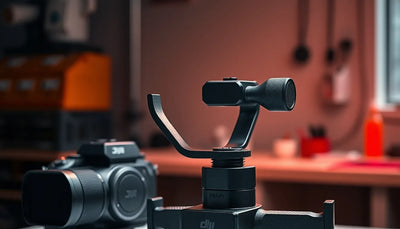
De Hong Kong-startup TriLife lanceerde deze week de AulGo-zakcamera op Kickstarter en beloofde 4K-video van een Sony-sensor, zesassige elektronische stabilisatie, vijf opnamemodi en een gewicht dat licht genoeg is om daadwerkelijk te dragen. De campagne bereikte binnen enkele uren haar bescheiden doel en bleef stijgen. Voor drone-operators die gewend zijn aan het evalueren van de lading en de cameraprestaties, roept de AulGo interessante vragen op over wanneer een speciale zakcamera zinvoller is dan een camera in de lucht – en wat die keuze betekent voor de tweedehands DJI-markt en reparatiebeslissingen.
De toonhoogte is eenvoudig: een 4K-camera voor ongeveer $200 die ongeveer twee ons weegt. Dat gewichtscijfer – twee ons, of ongeveer 57 gram – plaatst het in dezelfde marge als veel actiecamera’s, maar de kop van de aankondiging bevatte een waarschuwing: de camera biedt 4K-video, maar blijkbaar niet met ingeschakelde elektronische beeldstabilisatie. Het bronnenoverzicht vermeldt de zesassige EIS als een van de kenmerken, waardoor enige onduidelijkheid ontstaat die potentiële kopers zullen willen oplossen voordat ze zich binden.
De AulGo-pitch in context
TriLife, een relatief onbekende startup uit Hong Kong, heeft de AulGo ontworpen als zakgenoot voor iedereen die video met hoge resolutie wil zonder de omvang van een traditionele camcorder of de kosten van een premium actiecamera. Het gebruik van een Sony-sensor suggereert een focus op beeldkwaliteit, en de vijf opnamemodi geven gebruikers flexibiliteit ter plaatse. Maar voor een drone-operator ligt de aantrekkingskracht in de extreme draagbaarheid van de camera. Dronepiloten hebben al controllers, batterijen, propellers en soms een tablet bij zich. Een losse camera toevoegen die in een jaszak past is triviaal.
DJI buying context
Match product news to hardware you can actually deploy.
Check inspected DJI aircraft, repair support, and trade-in timing before deciding whether to upgrade, repair, or wait.

Dat gezegd hebbende, geven de brongegevens geen details over deze vijf modi, en specificeren ze ook niet of de elektronische stabilisatie werkt bij alle combinaties van resolutie en framesnelheid. De titel van het originele artikel zegt expliciet "niet met EIS aan", wat erop duidt dat gebruikers mogelijk moeten kiezen tussen 4K-resolutie en stabilisatie. Als dat waar blijkt te zijn, zou de AulGo meer geschikt zijn voor statische opnamen of opnamen vanaf een statief in 4K, waarbij de EIS gereserveerd is voor lagere resoluties of langzamere bewegingen. Drone-operators die vloeiende grondbeelden willen als aanvulling op luchtwerk, moeten die afweging zorgvuldig afwegen.
Vanuit commercieel perspectief ondermijnt de prijs van de AulGo – ongeveer $200 – veel reguliere actiecamera’s en zelfs enkele gebruikte dronecamera’s. Voor een vlootbeheerder die grondpersoneel wil uitrusten met een goedkoop registratiehulpmiddel, is de financiële situatie eenvoudig. De risico's van crowdfunding blijven echter reëel, vooral voor een startup zonder trackrecord: vertragingen bij de verzending, hardwarerevisies en beperkte ondersteuning na de lancering.
Wat dit betekent voor drone-kopers
Voor iemand die op zoek is naar een nieuwe of tweedehands DJI-drone, is de AulGo geen directe vervanging. Maar het verandert wel de berekening van wat je eigenlijk nodig hebt van een camera in de lucht. Denk aan een drone-operator die vooral 4K-luchtbeelden nodig heeft voor vastgoed- of inspectiewerkzaamheden. Als ze ook B-roll op grondniveau willen vastleggen, kunnen ze een tweede drone kopen met een speciale operator, of kunnen ze vertrouwen op een zakcamera zoals de AulGo voor de grondhoeken. Dit laatste is veel goedkoper en zorgt voor minder slijtage aan de dronevloot.
Dit zou in de loop van de tijd de urgentie voor sommige operators kunnen verminderen om de camera van hun drone te upgraden. Als de grondbeelden afzonderlijk verwerkt kunnen worden, hoeft de camera van de drone alleen goed genoeg te zijn voor de lucht. Dat zou op zijn beurt de vraag naar nieuwere DJI-modellen die stapsgewijze cameraverbeteringen beloven, kunnen verzachten. Kopers mogen hun stroom vasthouden tweedehands DJI-drones langer als ze kunnen aanvullen met een goedkope externe camera.
Aan de andere kant is de onzekerheid van de AulGo rond EIS bij 4K een rode vlag voor iedereen die behoefte heeft aan vloeiende, trillingsvrije beelden uit de hand. Drone-kopers die waarde hechten aan stabilisatie – en dat geldt voor bijna iedereen die video-opnamen maakt – zouden de AulGo moeten beschouwen als een potentieel secundair hulpmiddel in plaats van als een primaire camera. Een gebruikte DJI-drone met een cardanische camera presteert nog steeds beter dan een zakcamera voor de meeste bewegende beelden.
Praktische overwegingen voor wagenparkbeheerders
Vlootmanagers die de AulGo evalueren voor gebruik door grondpersoneel moeten hun eigen tests uitvoeren voordat ze een batchbestelling plaatsen. De bron noemt vijf opnamemodi, maar noemt deze niet. Zonder te weten of de camera 24 fps, 30 fps, 60 fps of slow motion biedt, is het moeilijk om deze in een productieworkflow te plannen. Op dezelfde manier kan de zesassige stabilisatie effectief zijn voor loopopnames, maar als deze niet gelijktijdig met 4K kan worden gebruikt, zal voor grondopnamen een statief of cardanische opstelling nodig zijn, wat het doel van een zakcamera tenietdoet.
Eén praktisch scenario: de AulGo als goedkope camera op een statief plaatsen om apparatuurinspecties of time-lapses vast te leggen terwijl de drone de luchtpas afhandelt. Voor dat gebruik zijn het lichte gewicht en het kleine formaat van de camera voordelen. Maar de Kickstarter-tijdlijn betekent dat leveringen waarschijnlijk pas eind 2026 of begin 2027, zullen plaatsvinden, en dat early backers mogelijk met bugs te maken krijgen. Wagenparkbeheerders mogen een kritische workflow niet baseren op een door crowdfunding gefinancierd apparaat totdat onafhankelijke beoordelingen de betrouwbaarheid ervan bevestigen.
Een andere implicatie betreft reparatie en reserveonderdelen. Als de primaire dronecamera van een wagenpark het begeeft, kan de verleiding groot zijn om een zakcamera te gebruiken als snelle vervanging – maar dat is geen duurzame oplossing. Professioneel repareren van het camerasysteem van de drone blijft de juiste weg. Exploitanten zouden dat moeten doen zoek professionele DJI-reparatiediensten om de volledige functionaliteit te herstellen in plaats van externe camera's door de jury te manipuleren. De AulGo dient in het beste geval als tijdelijke stand-in terwijl de reparatie aan de gang is.
Potentiële impact op de markt voor tweedehands DJI
De AulGo is geen drone en is niet gemaakt door DJI. Toch kan elke nieuwe camera die $200 kost en twee ons weegt, indirect de markt voor tweedehands drones beïnvloeden. Drone-eigenaren die de AulGo voldoende vinden voor occasionele grondopnames, kunnen besluiten hun oudere vliegtuig langer te houden, waardoor het aanbod van gebruikte DJI-drones op de markt afneemt. Dat zou de voorraad enigszins kunnen aanscherpen en de prijzen voor onberispelijke gebruikte eenheden kunnen ondersteunen.
Omgekeerd, als de AulGo ondermaats presteert of zijn hype niet waarmaakt, zal dit helemaal geen invloed hebben op de drone-markt. De belangrijkste variabele is of drone-exploitanten de AulGo zien als een echt alternatief voor sommige van de taken waarvoor ze hun drones momenteel gebruiken. Voor video op rechte grond is de AulGo goedkoper dan een drone uit de Mini-serie en lichter dan de meeste actiecamera's, maar hij heeft geen cardanische ophanging en kan niet vliegen. Voor de tweedehands DJI-markt is het grootste risico verveling en niet concurrentie: als operators interessante beelden kunnen krijgen zonder te vliegen, vliegen ze misschien minder vaak, maar kunnen ze ook hun oude spullen inruilen voor een betere drone als ze wel vliegen.
Eigenaars die overwegen een DJI-vliegtuig te verkopen of in te ruilen om een nieuwe aankoop te financieren, moeten rekening houden met de AulGo als een potentieel goedkope aanvulling. Voordat u een beslissing neemt, raadpleeg a Gids voor het inruilen van drones om de huidige marktwaarden en inruilprogramma's te begrijpen. Een inruil kan nog steeds zinvol zijn als de algehele capaciteiten van de drone – inclusief vliegtijd, bereik en cameraprestaties – niet langer aan uw behoeften voldoen, zelfs met een zakcamera als back-up.
Vanuit reparatieperspectief verandert de AulGo de vraag naar originele OEM-reserveonderdelen niet. Dronecamera's zijn specifiek voor elk vliegtuig en een zakcamera kan een defecte DJI-cameramodule niet vervangen. Operators die de camera van hun drone beschadigen, kunnen in ieder geval in de verleiding komen om op een goedkope externe camera te vertrouwen en de verzending van de drone voor onderhoud uit te stellen. Dat is een valse bezuiniging: onopgeloste cameraproblemen kunnen escaleren tot gimbalstoringen of sensorschade. Krijgen professionele DJI-reparatiediensten blijft onmiddellijk de slimste financiële zet.
Is de AulGo compatibel met DJI-drones?
Er is geen compatibiliteitsinformatie in de brongegevens. De AulGo is een zelfstandige zakcamera, geen drone-payload. Het maakt geen verbinding met het systeem van een drone en verzendt geen video via de OcuSync- of Lightbridge-link van een drone. Iedereen die verwacht het op een drone te monteren, zou de fysieke montageopties moeten verifiëren en afzonderlijk moeten balanceren, en mag geen elektronische integratie verwachten.
Moet ik de AulGo Kickstarter-campagne steunen?
De campagne heeft zijn doel al bereikt, wat wijst op een sterke aanvankelijke belangstelling. De brongegevens laten echter onduidelijkheid bestaan over de vraag of elektronische stabilisatie werkt in de 4K-modus. Backers moeten de campagnepagina zorgvuldig lezen voor dat detail. Bedenk ook dat crowdfunding inherente risico's van vertragingen en onverwachte veranderingen met zich meebrengt. Wacht voor kritisch commercieel gebruik op onafhankelijke tests.
Welke invloed heeft de AulGo op de tweedehands dronemarkt?
Het effect is waarschijnlijk klein maar reëel. Als voldoende drone-operators besluiten dat ze grondbeelden kunnen vastleggen met een $200-zakcamera in plaats van met een drone te vliegen, zullen ze mogelijk minder vaak vliegen en hun bestaande vliegtuig langer behouden. Dit zou de stroom gebruikte DJI-drones op de markt kunnen verminderen. De AulGo is echter geen vervanging voor luchtcapaciteiten, dus voor luchtwerk zou de vraag naar gebruikte drones stabiel moeten blijven.
Geraadpleegde bronnen
- About Us – DroneXL.co - primary source
- YouTube – DroneXL.co - primary reporting source
- DroneXL.co - primary reporting source
De redactie van Reboot Hub voegt analyses toe over aankoop, reparatie, restwaarde en operationele aspecten voor drone-eigenaren. Indien u een fout constateert, neem dan contact met ons op voor een correctiebeoordeling conform ons redactionele beleid.