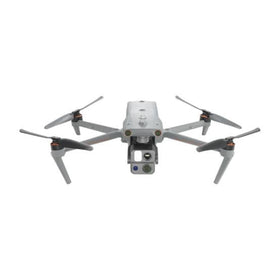
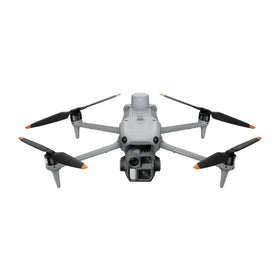
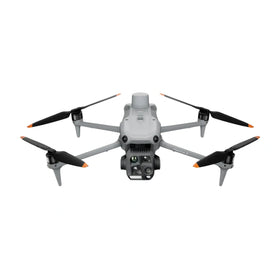
AEVEX Shares Surge 43% as US Government Signals Major Defense Drone Funding
AEVEX Corp. (NYSE:AVEX) skyrocketed 43% this week on news of US government defense and drone funding deals. This analysis breaks down the financial implications for commercial operators, including potential impacts on Part 107 compliance costs, the secondary market for refurbished drones, and how BVLOS waivers could become more accessible. Discover immediate opportunities for fleet upgrades and repair services.

Redactionele noten
- Dit artikel combineert genoemde externe rapportages met de eigen analyse van Reboot Hub voor drone-kopers, vlootbeheerders, reparatieklanten en waarnemers van de tweedehands DJI-markt.
- Bronfeiten worden gescheiden van interpretaties. Wanneer een rapport beperkte gegevens biedt, vermeldt het artikel deze beperking en wordt het standpunt van Reboot Hub als analyse gepresenteerd.
- Reboot Hub heeft commerciële links naar droneproducten en reparatiediensten; deze links zijn hulpmiddelen voor de lezer en bepalen niet de conclusie van het artikel.
The defense drone sector just received a massive financial jolt. AEVEX Corp. (NYSE:AVEX), a key player in the aerospace and defense supply chain, saw its stock price surge by an eye-watering 43% week-over-week. The catalyst? A series of high-level government announcements signaling a massive new wave of funding for defense and drone technology. For investors, it's a clear buy signal. But for the thousands of commercial drone operators, surveying firms, and agricultural pilots who rely on a stable hardware market, this news carries deeper, more practical implications-especially for those navigating the used drone market.
The rally, which saw AVEX join a cohort of stocks posting effortless gains between 38% and 78%, was triggered by reports that the US government is actively exploring expansive funding deals for defense contractors. While the specifics of the contracts remain under wraps, the market's reaction is unambiguous: the government is betting big on drone technology for national security. This isn't just a story for Wall Street. It's a story for Main Street drone operators, who must now recalibrate their business models in anticipation of a rapidly shifting procurement and regulatory landscape.
Today, June 1, 2026, marks a potential inflection point. The injection of federal capital into the defense drone ecosystem will inevitably ripple through the entire industry, affecting everything from the cost of new hardware to the availability of certified parts and the pace of regulatory reform.
Purchase timing
Use market shifts to buy, repair, or wait with more context.
Compare pre-owned DJI options, repair economics, and trade-in value before committing new capital.
The Financial Trigger: What the AEVEX Surge Really Means
The 43% jump in AEVEX's valuation is a textbook example of market sentiment reacting to policy signals. The core narrative is simple: when the US government signals it will spend heavily on drone technology, the entire supply chain benefits. AEVEX, which specializes in advanced ISR (Intelligence, Surveillance, and Reconnaissance) platforms and mission systems, is perfectly positioned to capture a significant share of these contracts.
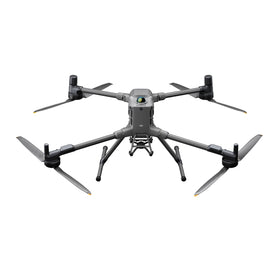
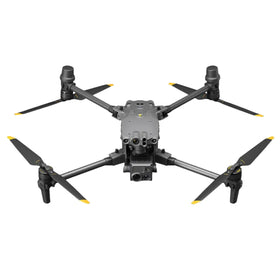
However, the implications extend far beyond AEVEX. This funding is likely to accelerate the development of next-generation drone technologies, including AI-powered autonomy, advanced sensor fusion, and robust counter-drone systems. For commercial operators, this means a faster pace of innovation. The DJI Matrice 350 RTK you bought last year might soon be considered entry-level as defense-grade tech trickles down to the commercial sector. This creates a unique opportunity in the secondary market. As defense contractors upgrade to new, funded equipment, a wave of high-end, inspected pre-owned hardware will enter the market.
This is where the savvy operator can capitalize. Instead of paying top dollar for a pre-owned platform, businesses can acquire pre-owned DJI drones that were previously used in less demanding commercial or light-duty defense roles. This strategy allows firms to maintain cutting-edge capabilities without the crippling upfront capital expenditure.
What Does This Mean for the Everyday Commercial Drone Pilot?
This is the critical question. The AEVEX news is not just a stock ticker; it's a weather vane for the entire industry. Here's a direct Q&A breakdown for the commercial operator:
Q: How does defense funding affect my Part 107 operations?
A: Indirectly, but powerfully. Increased defense spending often leads to accelerated FAA testing for BVLOS (Beyond Visual Line of Sight) waivers. If the military needs to operate drones in shared airspace, the FAA is pressured to finalize the rules for everyone. This could mean a faster path to commercial BVLOS operations, which is the holy grail for pipeline inspection, large-scale surveying, and delivery services. Expect to see more streamlined waiver processes within the next 12-18 months.
Q: Will the cost of drones go up or down?
A: Short-term, new flagship models (like the DJI Mavic 4 Pro or Matrice 400 series) may see price increases due to global supply chain constraints being absorbed by defense contracts. However, the secondary market will flood with high-quality, recently decommissioned units. This is a classic supply-and-demand dynamic. The used drone market is poised for a major influx of inventory, driving down prices for savvy buyers.
Q: What about repair and maintenance?
A: This is a double-edged sword. As more advanced drones enter the ecosystem, the complexity of repairs increases. Proprietary parts and advanced calibration requirements will make DIY fixes riskier. Professional repair services will become essential. This is a strong argument for building a relationship with a trusted repair center that uses genuine parts. If you rely on your drone for revenue, downtime is your enemy. A robust repair network is your insurance policy.
The Second-Hand Market Ripple Effect
For the second-hand drone market, the AEVEX news is a massive bullish signal. The logic is simple: government contracts create a "trickle-down" effect. Defense primes like AEVEX will buy new, cutting-edge platforms. Their older, but still highly capable, equipment is then sold off. This equipment often finds its way to commercial operators who need high reliability but cannot justify the cost of a pre-owned defense-grade system.
This is the perfect time for commercial operators to assess their fleet strategy. If you are currently flying a DJI Phantom 4 RTK or an older Matrice 200 series, the market is about to offer significant upgrade opportunities. inspected pre-owned units from reputable refurbishers offer a risk-mitigated path to upgrading your GSD (Ground Sample Distance) mapping capabilities or your RTK survey accuracy. You get the performance of a high-end drone at a fraction of the retail cost, often with a warranty that protects your investment.
The Regulatory and Operational Landscape in 2026
The defense funding push is happening against a backdrop of evolving regulations. The FAA is under increasing pressure to finalize Remote ID compliance and BVLOS rules. The influx of defense drones into shared airspace will force the FAA to act. For commercial pilots, this means the regulatory environment is about to become more defined-and more expensive to navigate.
We anticipate that Remote ID compliance will become strictly enforced by the end of 2026. Operators flying non-compliant drones could face severe penalties, including airspace bans and massive fines. This is a critical factor for anyone buying a used drone on the secondary market. You must ensure the drone is Remote ID-ready or can be retrofitted. This is where buying from a trusted source like Reboot Hub becomes invaluable. Every unit is inspected for full compliance with the latest FAA mandates.
Furthermore, the push for defense funding will likely accelerate the development of UAS Traffic Management (UTM) systems. This is the digital infrastructure that will allow thousands of drones to operate safely in the same airspace. For commercial operators, this means more efficient route planning and fewer conflicts with manned aircraft. But it also means more stringent reporting requirements and potentially higher operational costs for software and compliance tools.
Strategic Fleet Management in a Post-43% World
So, what should you do right now? The AEVEX surge is a wake-up call. The market is telling us that the drone industry is entering a phase of rapid, government-fueled expansion. For the commercial operator, this is not the time to stand still.
First, audit your fleet. Do you have the right equipment for the next 24 months? If your current drones are not capable of high-precision RTK surveying or do not have the sensor payload to handle advanced mapping, consider upgrading now before prices on the secondary market rise.
Second, plan for BVLOS. If you are not already exploring BVLOS waivers, start now. The regulatory window is opening, and the first operators to gain approval will have a massive competitive advantage in sectors like linear infrastructure inspection and precision agriculture.
Third, secure your supply chain. The most valuable asset you have is your drone's flight time. When a drone goes down, every hour of downtime is lost revenue. This is why a robust repair and maintenance strategy is essential. Instead of relying on unpredictable OEM lead times or unqualified third-party repair shops, partner with a specialist who uses genuine parts and offers a warranty on their work. This is the best way to protect your operational uptime and your bottom line.
At Reboot Hub, we understand these dynamics intimately. Our entire business model is built on the circular economy of drone hardware. We acquire high-quality equipment, perform rigorous inspections, and offer it to you with a 6-month warranty. Whether you need to upgrade your fleet with pre-owned DJI drones or require professional DJI repair services, we are here to help you navigate this new era of drone operations.
Frequently Asked Questions
1. Is the AEVEX stock surge a reliable indicator for the entire drone market?
Yes, it is a powerful leading indicator. AEVEX is a bellwether for defense-linked drone spending. When a company like AEVEX sees a 43% jump on government funding news, it signals that federal capital is flowing into the entire drone ecosystem. This will eventually trickle down to commercial operators through increased innovation, more robust regulations, and a more liquid second-hand market.
3. How can I protect my investment in a used drone given the changing regulations?
The best protection is to buy from a certified refurbisher. Any drone you purchase should be fully compliant with FAA Remote ID rules and come with a clear maintenance history. At Reboot Hub, every unit is flight-tested, inspected, and backed by a 6-month warranty, ensuring you are not buying a regulatory liability. We also offer professional repair services to keep your drone in top condition and fully compliant.
3. Will this defense funding make it harder for small operators to compete?
Not necessarily. While defense primes will have access to the latest tech, the secondary market will become a great equalizer. Small operators can now acquire high-end, ex-defense or ex-corporate fleet drones at a fraction of the original cost. This allows them to offer competitive services like high-accuracy RTK surveying and long-range BVLOS inspection without the massive capital investment. The key is to act quickly and buy from a trusted source.
--
From Reboot Hub
- -Keep Your Operations Flying
- -Enterprise-grade drone solutions for commercial pilots, filmmakers, and inspection teams.
- -Pre-owned Fleet
- - - -Fully inspected DJI drones with 6-month warranty. Save up to 40%.
- - - - Browse Inventory -> - - -Expert Repair
- - - -Professional diagnostics with genuine OEM parts. Same-day estimates.
- - - - Book a Repair -> - - -Spare Parts
- - - -Batteries, propellers, gimbals -- premium OEM components, fast shipping.
- - - - Shop Parts -> - - -