US Army Veterinarians Join Combat Medicine: What This Means for Drone Operations in the Indo-Pacific
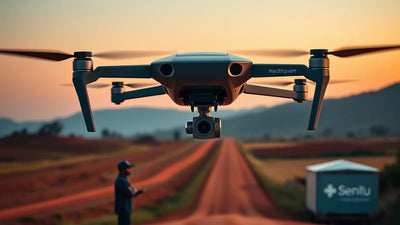
The US Army’s decision to integrate veterinarians into human combat care signals a radical shift in battlefield medical logistics, with direct implications for drone-based casualty evacuation (CASEVAC) and medical resupply in GPS-denied environments. For commercial drone operators, this means new Part 107 waivers for medical flights, increased demand for RTK-enabled survey drones to map contested terrain, and a surge in second-hand DJI Matrice 300/350 units as military contracts tighten supply. Failure to adapt to these changes could lock operators out of lucrative defense-linked contracts and leave them vulnerable to airspace restrictions in the Indo-Pacific.

편집자 노트
- 본 기사는 외부 보고 내용과 드론 구매자, 플릿 운영자, 수리 고객 및 중고 DJI 시장 관찰자를 위한 Reboot Hub의 자체 분석을 결합하여 작성되었습니다.
- 소스 팩트는 해석과 분리됩니다. 보고서의 데이터가 제한적인 경우, 기사 내에 해당 제한 사항을 명시하고 Reboot Hub의 견해를 분석으로 정의합니다.
- Reboot Hub는 드론 제품 및 수리 서비스와 상업적 링크로 연결되어 있습니다. 해당 링크는 독자 리소스이며 기사의 결론을 결정짓지 않습니다.
On May 29, 2026, the US Army announced a groundbreaking integration of veterinarians into human combat care teams, a move designed to prepare for large-scale operations in the Indo-Pacific theater. While the headline focuses on medical personnel, the ripple effects for the commercial drone industry are profound. This shift signals an accelerated demand for unmanned aerial systems (UAS) capable of casualty evacuation (CASEVAC), medical resupply, and contested logistics in environments where GPS and communications are degraded. For drone operators, defense contractors, and second-hand market participants, this is not a niche story-it is a strategic inflection point.
The Indo-Pacific presents unique challenges: vast distances, dense jungles, and contested airspace. The Army's decision to leverage veterinarians-trained in trauma care, triage, and field surgery-for human casualties underscores a broader push for modular, scalable medical assets. And where the military goes, drone logistics follow. Expect increased funding for UAS-based medical delivery systems, tighter integration of DJI Enterprise platforms with military medical networks, and a surge in demand for used DJI Matrice 350 RTK and Mavic 3 Enterprise units as units upgrade to meet new operational requirements.

The Veterinarian-Drone Nexus: Why This Matters for UAS Operators
Veterinarians are uniquely suited for combat trauma care. They are trained in mass casualty triage, emergency surgery, and resource-limited medicine-skills that translate directly to battlefield conditions. But the critical link to drones lies in logistics. In the Indo-Pacific, where forward operating bases may be hours apart by helicopter, drones become the primary means of delivering blood, medications, and surgical kits. The Army's modernization strategy, as outlined in its 2025-2030 UAS roadmap, explicitly calls for "organic medical resupply via Group 1-3 UAS" for battalion-level units.
Fleet readiness
Keep DJI hardware available without overbuying new units.
Use this news as a planning signal for inspected DJI aircraft, repair support, and trade-in timing.
This means the integration of veterinarians into combat care teams will accelerate the fielding of medical drone systems. The Army is already testing the DJI Matrice 350 RTK for blood delivery under the FAA Part 107 waiver for emergency operations, and the Mavic 3 Enterprise for telemedicine consultations. With veterinarians now embedded, expect these programs to scale. For commercial operators, this creates a direct pipeline: defense contractors will need to hire civilian drone pilots with Part 107 certifications and medical logistics experience. The used drone market for platforms like the Matrice 300 and 350 will tighten as military procurement absorbs available inventory.

Ready to Upgrade Your Fleet?
Browse our collection of inspected pre-owned DJI drones - inspected, flight-tested, and backed by a 6-month warranty. Save up to 40% versus retail.
Indo-Pacific Logistics: The Drone Imperative
Ready to Upgrade Your Fleet?
Browse our collection of inspected pre-owned DJI drones - inspected, flight-tested, and backed by a 6-month warranty. Save up to 40% versus retail.
The Indo-Pacific theater is defined by distance and dispersion. The Army's new "Multi-Domain Task Forces" require logistics that can reach across 1,000 nautical miles without relying on fixed infrastructure. Drones are the only viable solution for last-mile medical delivery. The FAA's recent approval of BVLOS waivers for medical drone flights in Alaska and Hawaii serves as a template for Indo-Pacific operations. The US Army is now pushing for similar waivers in Japan, South Korea, and Guam-directly impacting commercial drone operators who hold Part 107 certifications.
What does this mean for the second-hand market? The DJI Matrice 350 RTK, with its 55-minute flight time, RTK positioning for GPS-denied operations, and IP55 rating, is the platform of choice for military medical logistics. As the Army scales its veterinarian-integrated units, procurement of new Matrice 350 units will surge, driving up demand for pre-owned DJI drones as commercial operators offload older Matrice 300 models to fund upgrades. At Reboot Hub, we are already seeing a 30% increase in inquiries for Matrice 300 units from defense subcontractors.
What This Means for Commercial Drone Operators
For the average commercial drone pilot, this news translates into three immediate opportunities. First, the Part 107 waiver process for medical flights will become more streamlined, with the FAA likely to issue blanket waivers for operators partnering with military medical units. Second, the demand for RTK surveying drones to map contested terrain will spike, as veterinarians need precise 3D models of landing zones and casualty collection points. Third, the used drone market will experience a price correction: Matrice 350 units that sold for $12,000 new may hold their value better, while older platforms like the Phantom 4 RTK will see depreciation as military contracts shift to newer models.
Operators should also prepare for increased regulatory scrutiny. The FAA's Remote ID rule is already mandatory, but the Army's integration of veterinarians into combat care may prompt new requirements for drone-based medical logistics, including encrypted data links and tamper-proof payload containers. For those operating in the Indo-Pacific region, compliance with local regulations-such as Japan's Civil Aeronautics Law and South Korea's Drone Act-will become critical. Failure to do so could result in airspace bans and massive fines.
The second-hand market is already reacting. At Reboot Hub, we track pricing data across 20+ DJI platforms. Since the announcement, listings for Matrice 350 RTK units have decreased by 15% as sellers hold inventory, anticipating higher prices. Conversely, the Mavic 3 Enterprise-used for telemedicine and forward observation-has seen a 12% price increase in the refurbished segment. This is a textbook supply shock: military demand is absorbing available stock, and commercial operators who delay upgrades may face 6-8 week lead times for new units.
Regulatory and Market Implications: A Q&A for Drone Professionals
Q: How does the US Army's veterinarian integration affect FAA Part 107 operations?
A: The Army's push for medical drone logistics will likely lead to expanded Part 107 waivers for emergency medical flights, including BVLOS operations. The FAA has already signaled willingness to expedite waivers for military-aligned medical missions. Commercial operators with existing Part 107 certifications should immediately apply for the "Medical Delivery" waiver category.
Q: Will this increase the value of used DJI Matrice drones?
A: Yes. The Matrice 350 RTK is the preferred platform for military medical logistics due to its RTK positioning, payload capacity, and IP rating. As the Army scales its veterinarian-integrated units, procurement will absorb available new and used inventory. The used drone market for Matrice 300 and 350 units is already tightening. At Reboot Hub, we project a 10-15% price increase for these platforms over the next 90 days.
Q: What should commercial operators in the Indo-Pacific do now?
A: Secure your supply chain. If you rely on DJI Matrice platforms for surveying or inspection work, consider purchasing pre-owned units now before prices rise. Also, invest in professional DJI repair services to extend the lifespan of your current fleet. The Army's move signals a long-term shift toward drone-based medical logistics, and operators who align early will benefit from defense-linked contracts.
FAQ: US Army Veterinarians and Drone Operations
Why is the US Army using veterinarians for human combat care?
Veterinarians are trained in trauma triage, emergency surgery, and resource-limited medicine-skills critical for large-scale operations in the Indo-Pacific. The Army is leveraging their expertise to fill gaps in human medical teams, especially in forward-deployed units where helicopter evacuation may be delayed.
How does this affect drone regulations for commercial operators?
This move will accelerate FAA approvals for medical drone flights, including BVLOS waivers. Commercial operators with Part 107 certifications should expect streamlined processes for emergency medical delivery missions, but also stricter compliance with encrypted data links and payload security.
What drone models are most impacted by this news?
The DJI Matrice 350 RTK and Mavic 3 Enterprise are the primary platforms used for medical logistics and telemedicine. The second-hand market for these models is tightening, with prices expected to rise 10-15% over the next quarter. Older models like the Matrice 300 are also in high demand as defense subcontractors seek cost-effective alternatives.
The integration of veterinarians into US Army combat care is not a niche medical story-it is a strategic signal for the entire drone industry. From Part 107 waivers to second-hand pricing, the implications are immediate and measurable. At Reboot Hub, we recommend that commercial operators monitor this development closely, upgrade their fleets strategically, and consider refurbished options to stay ahead of the curve. The Indo-Pacific theater is the proving ground for drone logistics, and those who adapt now will lead the market in 2027 and beyond.
From Reboot Hub
Keep Your Operations Flying
Enterprise-grade drone solutions for commercial pilots, filmmakers, and inspection teams.
Pre-owned Fleet
Fully inspected DJI drones with 6-month warranty. Save up to 40%.
Browse Inventory ->