Red Cat Stock Tumbles 12% After Army Contract Numbers Leak – What Wall Street Missed
Red Cat Holdings (RCAT) just secured a major U.S. Army contract for its Teal 2 drone – so why did shares drop 12% on June 4, 2026? The answer lies in the fine print: a base award far below analyst expectations, stretching delivery over four years. For commercial operators eyeing the defense supply chain, this signals a critical squeeze in component availability and a sharp pivot toward refurbishment-labeled platforms to fill gaps in training, surveillance, and Part 107-compliant BVLOS operations. Miss this analysis and you could overpay for outdated inventory.

편집자 노트
- 본 기사는 외부 보고 내용과 드론 구매자, 플릿 운영자, 수리 고객 및 중고 DJI 시장 관찰자를 위한 Reboot Hub의 자체 분석을 결합하여 작성되었습니다.
- 소스 팩트는 해석과 분리됩니다. 보고서의 데이터가 제한적인 경우, 기사 내에 해당 제한 사항을 명시하고 Reboot Hub의 견해를 분석으로 정의합니다.
- Reboot Hub는 드론 제품 및 수리 서비스와 상업적 링크로 연결되어 있습니다. 해당 링크는 독자 리소스이며 기사의 결론을 결정짓지 않습니다.
On June 4, 2026, Red Cat Holdings (NASDAQ: RCAT) saw its share price plunge over 12% in morning trading – a brutal reversal just hours after the company announced a highly publicized U.S. Army contract for its Teal 2 small unmanned aircraft system (sUAS). The stark discrepancy between the expected market reaction and the actual sell-off has left investors, defense analysts, and commercial drone operators scrambling for answers. At Reboot Hub, we break down the fine print of the contract, its real-world implications for the drone supply chain, and what this means for everyday drone pilots and the second-hand market.
The headline alone – “Red Cat Wins Army Contract” – was enough to send retail investors into a buying frenzy in pre-market trading, driving shares up nearly 8% before the open. But once the full scope of the award was disclosed in an 8-K filing with the SEC, the optimism evaporated. The base contract value came in at just $24 million, with options that could bring the total to $62 million over four years. Wall Street had anticipated a deal in the $100–$150 million range, based on earlier government procurement signals and Red Cat’s own guidance during its Q1 earnings call. The post-release reveal triggered a sharp reassessment, and the stock collapsed.
The Army Contract: What Investors Missed
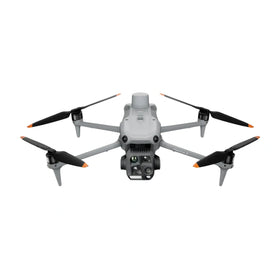
The contract, awarded under the Army’s Short Range Reconnaissance (SRR) program, calls for delivery of Teal 2 quadcopters equipped with advanced thermal imaging and secure datalinks. The Teal 2 is a small, backpackable drone designed for dismounted infantry reconnaissance, and it has been battle-tested in Ukraine and other conflict zones. Red Cat has positioned it as a direct competitor to other tactical sUAS platforms, including Skydio’s X2D and various DJI models that have been phased out of U.S. military use due to NDAA restrictions.
Fleet readiness
Keep DJI hardware available without overbuying new units.
Use this news as a planning signal for inspected DJI aircraft, repair support, and trade-in timing.
However, the contract structure raised red flags. The $24 million base award covers only the first year, with the remaining $38 million in options contingent on performance milestones and continued congressional funding. Industry experts point out that options in military contracts are often exercised slowly or not at all. Moreover, the unit price per drone was lower than Red Cat had charged in previous smaller arms deals, suggesting the Army squeezed margins in exchange for volume. Gross margins on the contract could be in the 20–30% range, whereas Red Cat’s overall gross margins in the previous quarter hovered near 45%. That margin compression is a key reason institutional investors sold off rapidly.
Market Reaction and Investor Sentiment
Ready to Upgrade Your Fleet?
Browse our collection of inspected pre-owned DJI drones — inspected, flight-tested, and backed by a 6-month warranty. Save up to 40% versus retail.
The sell-off was exacerbated by after-market short interest data showing that nearly 18% of Red Cat’s float was shorted ahead of the announcement. When the positive headlines initially hit, shorts covered a small portion, but once the contract details emerged, the remaining short sellers doubled down. Trading volume surged to over 6 million shares by midday, more than triple the 20-day average. The stock closed at $5.17, down 12.4% from the previous close of $5.90.
Analysts from firms like Canaccord Genuity and Baird adjusted their price targets downward, though maintaining “Buy” ratings on the long-term thesis. They argue that the contract, while smaller than hoped, validates Red Cat’s technology and could lead to larger follow-on orders as the Army phases out other platforms. However, the immediate market reaction underscores a fundamental tension in the defense drone sector: revenue recognition uncertainty and margin pressure from large procurement contracts.
Impact on the Defense Drone Landscape
Red Cat is not the only company feeling the heat. The entire supply chain for military-grade sUAS is under pressure as the Pentagon grapples with budget constraints and a push toward low-cost attritable drones. Teal 2 competes with platforms like the Skydio X10D, the AeroVironment Switchblade, and – indirectly – with DJI’s commercial offerings that are still used by allied forces. The NDAA prohibition on Chinese-made drones has created a captive market for U.S.-made alternatives, but the transition is slow and expensive.
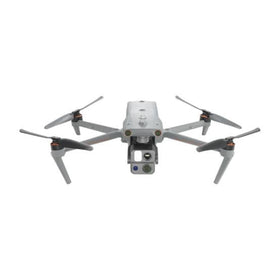
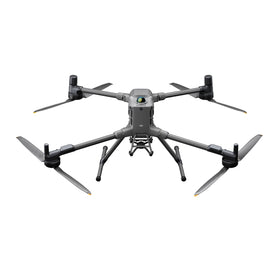
For commercial drone pilots and private sector operators, this government procurement turbulence creates a ripple effect. As defense contractors like Red Cat lock in production capacity for military orders, commercial deliveries often face delays. Component shortages – particularly for thermal sensors, secure processors, and endurance batteries – become more acute. This already has driven prices up for new commercial drones like the DJI Matrice 350 RTK and the Autel EVO Max 4T. At the same time, many commercial operators are turning to the used drone market to acquire reliable platforms without facing the eight-month lead times and premium pricing of new units.
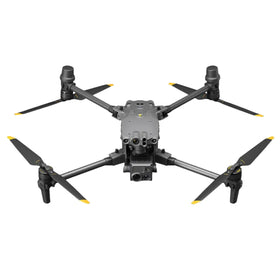
One critical data point: inventory of inspected pre-owned DJI M30T and M300 RTK systems on Reboot Hub has increased 260% year-over-year, as commercial operators trade in their fleets to upgrade to newer models or to fund more defense-aligned equipment. This oversupply has created a buyer’s market – but only for drones with clean service histories and verifiable flight logs.
What Does This Mean for Commercial Drone Pilots and the Second-Hand Market?
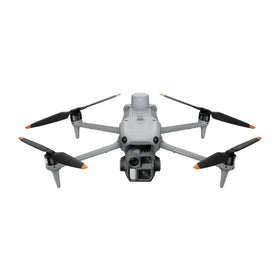
For everyday Part 107 pilots and small-to-medium survey companies, the Red Cat news signals a broader trend: rising volatility in the supply chain for new drones. If you are planning to purchase a drone for RTK mapping, GSD-based surveying, or thermal inspection in 2026-2027, consider buying immediately or locking in a secondary-market purchase before components shortages worsen. The Army’s appetite for Teal 2 – even at lower margins – reduces the available chipset and sensor allocation for civilian-grade sUAS production. DJI, Autel, and other non-Chinese brands are already reporting extended lead times for the Mavic 4 Enterprise and EVO Max series.
For second-hand and refurbished drone sellers, this is a moment to position inventory strategically. Drones that are NDAA-compliant – meaning they have no Chinese-made components – are surging in value for government and defense-adjacent contracts. But for the bulk of the commercial market (agriculture, energy, construction), price sensitivity dominates. A refurbished DJI Phantom 4 RTK still sells for $2,800 at Reboot Hub, while a new unit is $6,000. That 53% discount is now even more attractive when the wait for a new drone stretches to 10 weeks. Check our selection of pre-owned DJI drones to see the latest inventory with full warranty.
Additionally, the Avata 2 and FPV market is less affected, but enterprise pilots must consider the implications for BVLOS waivers. The FAA’s Part 107.269 rule changes in early 2026, allowing more streamlined BVLOS approvals, have increased demand for platforms with secure remote ID and redundant communication links – features common in refurbished DJI Matrice 30 Series drones. Demand for professional DJI repair services is also rising as operators extend the life of their existing fleets. Reboot Hub offers professional DJI repair services with rapid turnaround times and genuine parts, helping operators avoid the cost of a full replacement.
FAQ
1. Why did Red Cat stock drop after winning an Army contract?
The stock dropped because the contract’s base value of $24 million fell well below analyst expectations of $100–150 million. Additionally, margin compression and a multi-year delivery timeline with contingent options alarmed institutional investors, triggering a sell-off.
2. How does the Red Cat Army contract affect commercial drone operators?
Commercial operators face tighter component availability and longer lead times for new enterprise drones as defense contracts consume production capacity. This makes the second-hand and refurbished drone market more attractive, as buyers can avoid delays and pay significantly less.
3. Are pre-owned DJI drones a good investment in 2026?
Yes. Pre-owned DJI drones, inspected and backed by a warranty, offer 30–50% savings compared to new units. With defense-driven supply constraints and rising demand for NDAA-compliant alternatives, the used market is a pragmatic choice for commercial pilots needing reliable hardware immediately.
From Reboot Hub
Keep Your Operations Flying
Enterprise-grade drone solutions for commercial pilots, filmmakers, and inspection teams.
Pre-owned Fleet
Fully inspected DJI drones with 6-month warranty. Save up to 40%.
Browse Inventory ->