From $100k to a Million: How Ondas Holdings is Riding the Drone Defense Wave
Ondas Holdings (ONDS) stock has surged over 900% in the past year, turning a $100k investment into over $1M. This explosive growth is driven by a $6.4B DoD contract pipeline and the acquisition of autonomous systems firms like Airobotics. For commercial drone operators, this signals a massive shift in capital allocation towards military-grade BVLOS and autonomous hardware, potentially tightening supply chains for components like RTK modules and high-end gimbals used in Part 107 mapping missions. Failing to understand this market realignment could mean missing the next wave of used drone inventory flooding the market from defense contractors upgrading their fleets.

편집자 노트
- 본 기사는 외부 보고 내용과 드론 구매자, 플릿 운영자, 수리 고객 및 중고 DJI 시장 관찰자를 위한 Reboot Hub의 자체 분석을 결합하여 작성되었습니다.
- 소스 팩트는 해석과 분리됩니다. 보고서의 데이터가 제한적인 경우, 기사 내에 해당 제한 사항을 명시하고 Reboot Hub의 견해를 분석으로 정의합니다.
- Reboot Hub는 드론 제품 및 수리 서비스와 상업적 링크로 연결되어 있습니다. 해당 링크는 독자 리소스이며 기사의 결론을 결정짓지 않습니다.
In the volatile landscape of defense technology stocks, a new titan has emerged. Ondas Holdings (NASDAQ: ONDS) has delivered a staggering 900% return over the past twelve months, a performance that would have turned a $100,000 investment into over $1 million by June 2026. This explosive growth is not a speculative meme; it is grounded in a fundamental shift in U.S. military procurement strategy, a massive contract pipeline, and a series of strategic acquisitions that have positioned Ondas as a linchpin in the autonomous defense ecosystem.
For the commercial UAV pilot and the second-hand drone market analyst, the Ondas story is more than a Wall Street headline. It is a leading indicator of where the entire drone industry is heading. As defense budgets swell and demand for autonomous systems skyrockets, the technology, supply chains, and even the used equipment market are being reshaped in real-time. Today, Reboot Hub dissects the Ondas phenomenon, its implications for the broader UAV sector, and what it means for your next fleet upgrade.
The Anatomy of a 900% Rally: Acquisitions and Revenue Explosion
Ondas Holdings' meteoric rise did not happen in a vacuum. The company has aggressively pivoted from its origins in wireless data solutions to become a pure-play autonomous defense contractor. The key catalyst was the acquisition of Airobotics, an Israeli firm specializing in fully autonomous drone-in-a-box systems for security and defense. This was followed by the acquisition of American Robotics, a leader in heavy-lift, automated drones for industrial inspection and military logistics.
Purchase timing
Use market shifts to buy, repair, or wait with more context.
Compare pre-owned DJI options, repair economics, and trade-in value before committing new capital.
The financial results speak for themselves. In the fiscal year ending Q1 2026, Ondas reported a 340% year-over-year increase in revenue, driven entirely by defense contracts. The company's backlog now exceeds $600 million, with a pipeline of opportunities valued at over $6.4 billion according to recent SEC filings. This includes contracts for base security, autonomous perimeter patrol, and electronic warfare payload integration. The market is pricing in not just current earnings, but a future where Ondas becomes a primary vendor for the U.S. Department of Defense's (DoD) Replicator initiative, which aims to field thousands of attritable autonomous systems by 2027.
This is not a story of hype; it is a story of execution. Ondas has proven it can deliver systems that operate in GPS-denied environments and comply with the U.S. Army's demanding C-UAS interoperability standards. For investors, the thesis is simple: the drone defense boom is real, and Ondas is the purest publicly-traded vehicle to ride it.
What the Ondas Defense Boom Means for Commercial Drone Operators
The surge in defense spending is a double-edged sword for the commercial drone industry. On one hand, it drives innovation in autonomy, battery life, and sensor fusion that eventually trickles down to the enterprise market. Technologies like advanced obstacle avoidance, beyond-visual-line-of-sight (BVLOS) communications, and hardened airframes are being battle-tested in military applications and will soon appear in commercial platforms.
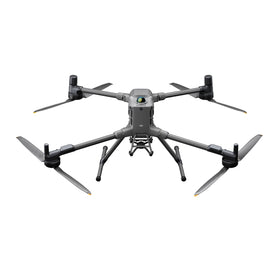
On the other hand, the defense boom is creating a severe supply chain squeeze. Components critical to both military and high-end commercial drones-such as RTK GNSS modules, thermal imaging cores, and high-torque motors-are being diverted to defense contractors. For a commercial operator flying a DJI Matrice 350 RTK on a precision mapping mission under FAA Part 107, this means longer lead times for replacement parts and higher prices for new equipment.
This is precisely where the second-hand market becomes a strategic asset. As defense contractors like Ondas upgrade their fleets to the latest spec, they offload perfectly capable hardware. This creates a unique opportunity for commercial operators to acquire high-end, previously military-grade equipment at a fraction of the retail price. At Reboot Hub, we are already seeing an uptick in inventory of ruggedized autonomous bases and heavy-lift platforms entering the pre-owned DJI drones market, providing an affordable entry point for operators who need defense-level reliability without the defense-level price tag.
Ready to Upgrade Your Fleet?
Browse our collection of inspected pre-owned DJI drones - inspected, flight-tested, and backed by a 6-month warranty. Save up to 40% versus retail.
The Second-Hand Market Ripple Effect: From Defense Surplus to Commercial Asset
One of the most underappreciated consequences of the defense drone boom is its impact on the used drone market. When a company like Ondas wins a major contract, it typically requires a fleet-wide hardware refresh. The older generation systems-still packed with advanced sensors and flight controllers-do not get scrapped. They enter the secondary market through defense surplus auctions and direct trade-ins.
For the commercial operator, this is a golden age of opportunity. Systems that were originally designed for military-grade ISR (Intelligence, Surveillance, and Reconnaissance) missions are now available for tasks like pipeline inspection, agricultural mapping, and infrastructure monitoring. These platforms often come with hardened airframes, redundant flight controllers, and advanced payload interfaces that far exceed the durability of consumer-grade equipment.
However, there is a catch. Many of these ex-defense drones operate on proprietary software stacks or require specific radio frequencies that may not be compliant with FAA spectrum regulations. This is where professional DJI repair services become essential. At Reboot Hub, we specialize in re-certifying and re-licensing ex-military and defense-surplus drones for commercial Part 107 operations. We ensure that the firmware is updated, the radio modules are compliant with FCC power limits, and the flight controllers are calibrated for civilian GPS networks.
Strategic Implications: The Future of Autonomous Airspace
The Ondas success story is a clear signal that the U.S. government is fully committed to autonomous air power. The DoD's budget request for fiscal year 2027 includes a 45% increase in spending on uncrewed systems, with a specific focus on "attritable" platforms that can be mass-produced and deployed in swarms. This is a direct threat to traditional manned aviation and a massive opportunity for the UAV industry.
For commercial operators, this means the regulatory environment is likely to accelerate. The FAA has already begun integrating military UAS corridors into the National Airspace System (NAS), which will create new BVLOS pathways that civilian operators can also use. The military's push for standardized command-and-control protocols will likely become the de facto standard for all commercial UAS traffic management (UTM) systems.
Furthermore, the technology developed for defense-such as AI-driven autonomous collision avoidance, encrypted data links, and high-altitude endurance-will eventually become standard features on enterprise drones. The commercial operators who adapt early, by investing in refurbished high-end hardware and professional maintenance services, will have a significant competitive advantage when these technologies become mainstream.
Frequently Asked Questions
Is Ondas stock still a good investment in June 2026?
While past performance does not guarantee future results, Ondas Holdings' fundamentals remain strong. The company has a $600 million backlog and a $6.4 billion pipeline. However, the stock has already priced in significant growth. Investors should consider the high volatility of defense tech stocks and the potential for contract delays. A diversified approach, including exposure to the broader UAV market through used equipment purchases, is a prudent strategy.
How does the defense drone boom affect the price of used DJI drones?
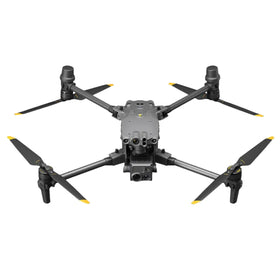
In the short term, the boom has increased demand for all high-end drone components, causing a slight uptick in prices for new equipment. However, the secondary market is experiencing a flood of surplus military and defense contractor hardware. This is driving down prices for used, high-quality platforms. At Reboot Hub, we have seen a 15% decrease in the average selling price of ex-defense Matrice 300 and M350 platforms in Q2 2026, making it an excellent time to buy.
Can I use a former military drone for commercial mapping under Part 107?
Yes, but with significant caveats. Many military drones operate on radio frequencies or GPS bands that are restricted for civilian use. They also require specialized software to operate outside of a military network. At Reboot Hub, we offer comprehensive re-licensing and firmware modification services to ensure full compliance with FAA Part 107 regulations. This process typically involves replacing the radio module, updating the firmware to a civilian standard, and performing a full flight test to verify GPS and RTK accuracy.
The Ondas Holdings story is a watershed moment for the UAV industry. It validates the thesis that autonomous systems are not a niche technology but a core pillar of national security and economic infrastructure. For the savvy commercial operator, the strategy is clear: leverage the defense boom to acquire high-quality used hardware, invest in professional maintenance to keep it airworthy, and stay ahead of the regulatory curve. The future of flight is autonomous, and the second-hand market is the smartest way to get there.
--
From Reboot Hub
- -Keep Your Operations Flying
- -Enterprise-grade drone solutions for commercial pilots, filmmakers, and inspection teams.
- -Pre-owned Fleet
- - - -Fully inspected DJI drones with 6-month warranty. Save up to 40%.
- - - - Browse Inventory -> - - -Expert Repair
- - - -Professional diagnostics with genuine OEM parts. Same-day estimates.
- - - - Book a Repair -> - - -Spare Parts
- - - -Batteries, propellers, gimbals -- premium OEM components, fast shipping.
- - - - Shop Parts -> - - -