Qingdao Pilots AI-Assisted Drone Inspection Model for City Services
Qingdao has launched a combined drone and AI inspection approach for municipal work, according to Qingdao Daily. The model points to growing demand for smarter inspection workflows, with implications for fleet planning, repair cycles, and pre-owned enterprise drone value.

Quick answer
Qingdao Daily reports that Qingdao has launched a new smart inspection model combining drones with AI for city services.
- The report describes a municipal inspection workflow pairing drone capture with AI analysis
- The development signals rising demand for inspection-ready commercial drone fleets
- Operators may see more pressure to keep sensor payloads and airframes in consistent service condition
- The model could support stronger resale value for well-maintained enterprise inspection drones
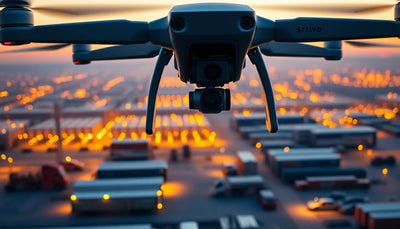
Qingdao has introduced a new smart inspection model that brings drones and artificial intelligence into the same municipal workflow, according to a report from Qingdao Daily. The announcement, covered by the regional outlet, describes an effort to modernize how the city handles routine inspection work across urban infrastructure and public service areas.
Market context
Turn market news into a buy, repair, or trade-in decision.
Compare pre-owned availability, resale timing, and repair economics before the market moves again.

The report is light on technical detail, but the direction is clear: rather than treating drones as simple aerial cameras, Qingdao is positioning them as data collection nodes inside an AI-supported inspection pipeline. For commercial operators, fleet buyers, and repair providers, that framing matters. It suggests that inspection work is shifting from manual image review toward automated analysis, which changes how drones are specified, maintained, and resold.
What the Qingdao report actually says
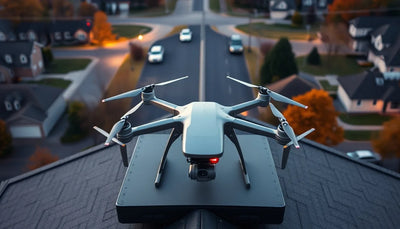
The central development comes from Qingdao Daily, which reported that drones and AI have come together in Qingdao to launch what the outlet calls a new model of smart inspection. The report frames this as a municipal initiative, meaning the early use case is likely tied to city-managed assets such as roads, utilities, public buildings, or environmental monitoring corridors.
Reboot Hub analysis: the source is a regional newspaper report rather than a detailed technical filing, so operational specifics such as fleet size, airframe models, sensor types, or AI software vendors are not yet confirmed. What can be said with confidence is that a major Chinese coastal city is publicly associating drone inspection with AI-enabled workflow design. That is a meaningful signal even without full technical disclosure.
For readers outside China, the development should be read as a market trend indicator rather than a product announcement. Municipal adoption of AI-assisted inspection tends to normalize the operating model for private contractors, utility companies, and infrastructure firms that already run drone programs or are considering them.
Why AI-assisted inspection changes fleet planning
When inspection workflows move from manual review to AI-assisted analysis, the drone itself becomes part of a larger data chain. Capture consistency starts to matter more than raw flight time. A fleet manager may need airframes that can repeat the same route, altitude, and sensor angle across many missions, because the AI layer depends on comparable inputs.
That has practical consequences for procurement. Operators may prioritize drones with stable gimbal behavior, dependable sensor mounts, and predictable battery performance over headline flight range or speed. It also raises the cost of downtime. If an inspection drone is grounded waiting for a repair part, the entire AI pipeline can stall, not just a single flight day.
Qingdao Daily's report does not name specific drone manufacturers or AI platforms, so buyers should avoid reading this as a confirmed endorsement of any particular hardware stack. The commercial takeaway is broader: inspection programs are becoming more workflow-dependent, and that favors equipment that can be kept in consistent, repeatable service condition.
What this means for drone owners and the market
The Qingdao announcement reinforces a pattern that has been building across commercial drone markets: inspection is no longer a niche use case. It is becoming one of the most stable demand drivers for enterprise airframes, sensor payloads, and the service infrastructure around them. For owners of pre-owned DJI drones, especially Matrice and other enterprise platforms, that stability can support resale value when the equipment has been properly maintained and documented. For owners evaluating service and lifecycle risk, Drone Wiki explains the relevant repair, parts, resale, or operational path.
Reboot Hub analysis: Well-kept inspection drones with clean service histories are likely to become more attractive as cities and contractors look to expand AI-assisted programs without paying full retail for every new airframe. This is where the pre-owned market becomes operationally relevant. A fleet manager who needs three identical drones for a municipal inspection contract may not care whether they were purchased new or pre-owned, provided the airframes are reliable and the sensor mounts are intact. For readers evaluating those options, the Drone Wiki offers reference material on DJI platforms and maintenance considerations.
The repair side of the market also stands to benefit. AI-assisted inspection increases flight frequency in many cases, because the cost of analysis drops once the software layer is in place. More flights mean more wear on motors, gimbals, landing gear, and batteries. Operators who plan for that wear, and who have access to genuine OEM spare parts, will face fewer interruptions than those who treat maintenance as an afterthought.
For a buyer or fleet manager watching this trend, the practical step is to evaluate inspection drones as workflow assets rather than standalone hardware. That means checking sensor compatibility, confirming repair part availability, and building maintenance history into procurement decisions. It also means paying attention to how municipal and enterprise inspection programs are being structured, because those programs increasingly define what the commercial market will demand next.
The broader commercial signal for inspection services
Qingdao is not the first city to explore drone-based inspection, but the explicit pairing with AI is notable. It suggests that the value proposition is shifting from "we can fly a camera over a bridge" to "we can turn routine aerial data into structured inspection results." That shift tends to reward service providers who can deliver consistent capture quality and penalize those who treat inspection as an ad hoc flight activity.
The source report does not provide pricing, contract values, or vendor names, so Reboot Hub will not speculate on those details. However, the direction of travel is commercially legible. Municipal AI inspection programs create demand for reliable airframes, repeatable flight profiles, and fast repair turnaround. They also create a secondary market for inspection-capable drones that can be cycled into service without the depreciation hit of a new purchase.
Operators who already run DJI enterprise platforms should watch for similar pilot programs in their own regions. When a city or utility moves from pilot to procurement, the resulting contracts often specify equipment categories and service expectations that shape local resale and repair demand for years.
FAQ
Frequently asked questions
Is Qingdao using a specific drone model for this program?
The Qingdao Daily report cited in this article does not name a specific drone manufacturer or model. Readers should treat hardware details as unconfirmed until an official procurement filing or vendor announcement is available.
Does this news affect pre-owned DJI drone values?
It can, indirectly. Municipal AI inspection programs increase demand for reliable enterprise airframes, which supports resale interest in well-maintained pre-owned DJI platforms. The effect depends on local contract structures and equipment requirements.
What should a drone operator do after reading this?
Operators should evaluate their inspection drones as workflow assets, not just flight hardware. That means checking sensor consistency, confirming spare part availability, and keeping maintenance records that would support resale or contract qualification later.
Which sources support this update?
The article distinguishes reported information from analysis and does not present an unverified source as official confirmation.
What remains subject to change?
Retail pricing, availability, product bundles and regulatory timelines can change. Readers should verify the latest terms with the named retailer, manufacturer or regulator before acting.
How should buyers or operators use this analysis?
Use the verified facts as a starting point, then compare mission fit, lifecycle support, maintenance needs and current procurement terms before making a purchase or fleet decision.
参照ソース
- DIU Blue UAS - official government source
公開時点で、追加の公式ドキュメントは入手できませんでした。
Reboot Hub編集部は、ドローン所有者のために購入、修理、再販、および運用の分析を提供します。誤りを発見した場合は、編集方針に基づき修正レビューを依頼してください。