Purdue Chase Plane Tailed Indiana Drone Corridor's First BVLOS Flight
Purdue University used a crewed chase plane to monitor the first beyond-visual-line-of-sight flight in Indiana's 224-mile drone corridor. The October 29 test signals growing commercial interest in long-range cargo routes and new operational benchmarks for fleet planners.

Quick answer
Purdue University flew a Windracers ULTRA cargo drone on the first beyond-visual-line-of-sight flight in Indiana's 224-mile drone corridor on October 29, with a crewed chase plane following the aircraft, according to DroneXL.co.
- The flight opened Indiana's 224-mile, 15-mile-wide drone corridor
- A crewed chase plane followed the Windracers ULTRA during the BVLOS operation
- The test occurred on October 29, as reported by DroneXL.co
- The corridor supports long-range unmanned cargo flight testing
Evidence: DroneXL.co
Market context
Turn market news into a buy, repair, or trade-in decision.
Compare pre-owned availability, resale timing, and repair economics before the market moves again.

Verified facts
What the available evidence confirms
| Detail | Reported Value |
|---|---|
| Corridor length | 224 miles |
| Corridor width | 15 miles |
| Flight date | October 29 |
| Aircraft | Windracers ULTRA |
| Monitoring method | Crewed chase plane |
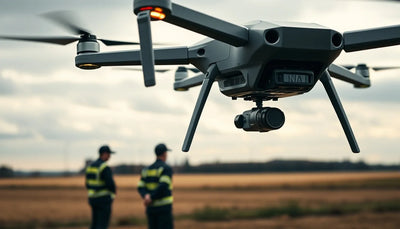
Indiana has taken a concrete step toward routine long-range drone cargo operations. According to DroneXL.co, Purdue University flew a Windracers ULTRA unmanned aircraft on the first beyond-visual-line-of-sight flight in the state's newly opened 224-mile, 15-mile-wide drone corridor on October 29. A crewed chase plane followed the aircraft during the operation, providing visual monitoring as the flight moved beyond the pilot's direct line of sight.
The flight represents a meaningful data point for commercial operators watching how state-level infrastructure and university-led testing programs are lowering barriers to BVLOS cargo routes. While the source report is limited in operational detail, the event itself signals that long-range unmanned logistics is moving from concept toward structured, repeatable testing in the United States.
What the Indiana corridor flight actually establishes
The central verified development is straightforward: Purdue used a crewed chase plane to tail the Windracers ULTRA on the corridor's first BVLOS flight, as reported by DroneXL.co. The corridor stretches 224 miles and spans 15 miles in width, creating a defined airspace envelope where operators can test long-range unmanned cargo missions under conditions that would otherwise require extensive case-by-case approvals.
Using a chase plane is a practical bridge between current visual-line-of-sight rules and full autonomous BVLOS operations. It gives regulators and operators a human observer in the air while the unmanned aircraft proves its navigation, communications, and contingency behavior over distance. For fleet managers, this kind of setup matters because it suggests a phased path to BVLOS approval that does not require waiting for every regulatory question to be settled at once.
Reboot Hub analysis: the chase plane approach is notable because it reflects how testing programs are working within existing aviation safety culture rather than against it. The presence of a crewed aircraft trailing the drone is not a sign of failure or limitation; it is a risk-management tool that could become more common as additional corridors open.
Why state-level corridors matter for commercial operators
Indiana's corridor is one of several state-backed efforts to create designated airspace for advanced drone testing. These corridors reduce the friction of securing approvals for individual flights and give operators a predictable environment to validate aircraft, sensors, and ground infrastructure. The 224-mile length is significant because it exceeds typical single-flight drone ranges and forces testing of handoffs, communications resilience, and battery or fuel endurance over meaningful distances.
Reboot Hub analysis: For commercial drone buyers and fleet planners, the practical implication is that corridor-based testing will generate operational data that eventually shapes procurement decisions. Aircraft that perform reliably in these environments are more likely to attract enterprise interest, while platforms that struggle with long-range communications or endurance will face harder questions from buyers. The Windracers ULTRA is a fixed-wing cargo platform, and its participation in this test places it in a small group of aircraft being evaluated for real logistics missions rather than demonstration flights.
Operators should watch which aircraft and sensor packages accumulate flight hours in these corridors. That track record will influence resale values, maintenance intervals, and the availability of spare parts as platforms move from testing to commercial deployment.
What this means for drone owners and the market
The Indiana flight does not directly change the rules for most commercial drone operators today, but it does shift the market's center of gravity toward long-range cargo and infrastructure inspection use cases. Buyers who are evaluating pre-owned DJI drones for mapping, inspection, or agricultural work should recognize that the broader industry is investing heavily in BVLOS cargo, which may accelerate demand for supporting services like repair, parts availability, and fleet management tools across all segments. For owners evaluating service and lifecycle risk, Drone Wiki explains the relevant repair, parts, resale, or operational path.
For repair customers and fleet managers, the takeaway is that long-range operations will put more stress on airframes, propulsion systems, and communications hardware. Aircraft flying 100-plus-mile routes accumulate wear differently than drones operating short local missions. As corridor testing expands, maintenance schedules and spare parts demand will likely shift toward components that endure sustained flight loads. Readers tracking pre-owned DJI inventory and genuine OEM spare parts can use the Reboot Hub Drone Wiki to understand platform-specific maintenance and repair considerations before committing to fleet expansion.
The pre-owned DJI market is not directly affected by a Purdue cargo test, but the signal is worth noting. When universities and state agencies invest in BVLOS infrastructure, it tends to attract follow-on commercial activity, including service providers who need reliable, inspected pre-owned aircraft for mapping, inspection, and support roles. A fleet manager who anticipates more corridor-based work in the Midwest may find value in securing capable pre-owned platforms now rather than waiting for new-model supply constraints.
What operators should watch next
The most important follow-up is whether Purdue and its partners publish flight data, operational metrics, or lessons learned from the October 29 mission. That information would help operators understand endurance, communications performance, and any contingencies encountered during the flight. DroneXL.co's report does not include those details, so any deeper operational claims would be speculative at this stage.
Operators should also monitor whether additional flights occur in the Indiana corridor before the end of 2026 and whether other states accelerate their own corridor programs. The pace of follow-on testing will indicate whether this was a one-off milestone or the start of sustained long-range cargo evaluation. For buyers and fleet planners, the practical action is to track corridor activity in regions where they operate and align procurement and maintenance planning with the types of missions those corridors support.
FAQ
Frequently asked questions
What happened on Indiana's first BVLOS drone corridor flight?
Purdue University flew a Windracers ULTRA unmanned cargo aircraft on the first beyond-visual-line-of-sight flight in Indiana's 224-mile, 15-mile-wide drone corridor on October 29, with a crewed chase plane following the aircraft, according to DroneXL.co.
Why did Purdue use a crewed chase plane for the BVLOS flight?
The chase plane provided visual monitoring of the unmanned aircraft during the beyond-visual-line-of-sight operation. This approach allows testing to proceed while maintaining a human observer in the air, which supports safety and regulatory confidence during early corridor flights.
Does this affect the pre-owned DJI drone market?
The Indiana corridor test does not directly change pre-owned DJI pricing or demand, but it signals growing investment in long-range drone infrastructure. That could increase demand for capable pre-owned platforms used in mapping, inspection, and support roles as corridor-based commercial activity expands.
Which sources support this update?
The visible evidence links identify DroneXL.co; each source is used only for the claim it directly supports.
What remains subject to change?
Retail pricing, availability, product bundles and regulatory timelines can change. Readers should verify the latest terms with the named retailer, manufacturer or regulator before acting.
How should buyers or operators use this analysis?
Use the verified facts as a starting point, then compare mission fit, lifecycle support, maintenance needs and current procurement terms before making a purchase or fleet decision.
参照ソース
- DroneXL.co - primary source
公開時点で、追加の公式ドキュメントは入手できませんでした。
Reboot Hub編集部は、ドローン所有者のために購入、修理、再販、および運用の分析を提供します。誤りを発見した場合は、編集方針に基づき修正レビューを依頼してください。