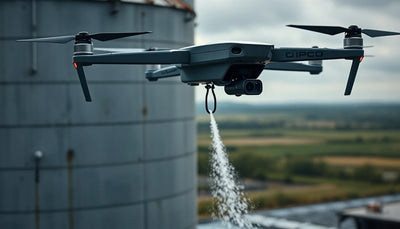
Percepto launches Axion to bring AI analysis to existing drone fleets
Percepto has introduced Axion, a software platform that applies AI-powered inspection analysis to existing drone fleets, sensors, and inspection records. The move targets the bottleneck of manual footage review for industrial operators and signals a shift toward software-driven value in commercial drone programs.

Quick answer
Percepto has launched Axion, a software platform that applies AI-powered inspection analysis to existing drone fleets, sensors, and inspection records, as reported by DroneDJ.
- Axion targets the manual footage review bottleneck in industrial drone inspections
- The platform works with existing drone fleets and inspection records
- The announcement signals growing software-driven value in commercial drone operations
- DroneDJ is the primary reporting source for this development
Evidence: DroneDJ
Market context
Turn market news into a buy, repair, or trade-in decision.
Compare pre-owned availability, resale timing, and repair economics before the market moves again.

Industrial drone inspections generate enormous volumes of visual data. A single flight over miles of power lines or a sprawling oil and gas facility can produce thousands of images and hours of video. The operational challenge has never been capturing that data. It has been making sense of it quickly enough to justify the flight in the first place.
Percepto is positioning a new software platform called Axion as the answer to that bottleneck. According to DroneDJ, the company has introduced Axion to bring AI-powered inspection analysis to existing drone fleets, sensors, and inspection records. The announcement matters because it targets the most expensive and least scalable part of industrial drone programs: the human review that turns raw footage into actionable maintenance decisions.
What Percepto is announcing with Axion
DroneDJ reports that Percepto's Axion platform is designed to help industrial operators move beyond manual footage review. The software applies AI analysis to imagery captured by drones already in service, along with data from sensors and historical inspection records. The goal is to identify potential problems and prioritize which ones need attention first.
That prioritization function is commercially significant. In a typical industrial inspection workflow, a pilot or analyst must scan through imagery to flag anomalies such as corrosion, damaged insulators, or structural wear. The process is slow, subjective, and difficult to scale across large facilities. A software layer that can flag and rank potential issues changes the economics of the entire inspection cycle.
Reboot Hub analysis: the Axion announcement fits a broader pattern in commercial drone markets. Hardware has matured to the point where the camera, airframe, and flight controller are no longer the primary differentiators. The value is shifting to the software that interprets what the hardware captures. For fleet operators, that means procurement decisions increasingly hinge on data workflow compatibility rather than airframe specifications alone.
Why the data review bottleneck matters commercially
The inspection data problem is not new, but it has become more visible as drone adoption has spread across energy, utilities, and infrastructure sectors. Drones can cover long linear assets and hard-to-reach equipment far more efficiently than ground crews. Yet the downstream analysis often still depends on a person scrolling through imagery frame by frame.
DroneDJ's reporting frames Axion as a response to that imbalance. If AI can reliably flag anomalies across large datasets, operators can reduce the labor hours tied to each inspection cycle. That has direct implications for fleet planning: a drone program that once looked expensive on a per-flight basis may become more defensible when the software layer shortens the time from capture to decision.
The commercial logic extends to repair and maintenance workflows. Faster anomaly detection means maintenance teams can address issues before they escalate into costly failures. For operators managing aging infrastructure, the ability to prioritize repairs based on AI-flagged severity could shift budget allocation from reactive fixes toward planned interventions.
What this means for drone owners and the market
The Axion announcement reinforces a trend that drone owners should watch closely: the resale and operational value of a drone is increasingly tied to the software ecosystem around it. A pre-owned DJI airframe that remains compatible with current inspection and analysis platforms holds more practical value than one locked into an outdated workflow. Buyers evaluating pre-owned DJI drones for commercial use should consider not just flight hours and battery health, but whether the platform can integrate with the software tools their inspection program actually uses.
For fleet managers, the practical takeaway is to evaluate inspection software as a first-class procurement category rather than an afterthought. The airframe matters, but the analysis layer determines whether the captured data produces a return. Operators who have built inspection programs around manual review may find that AI-assisted platforms change their staffing assumptions, their flight scheduling, and their maintenance response times.
The pre-owned DJI market could feel a secondary effect. As software platforms like Axion target existing fleets, the barrier to upgrading an inspection program shifts away from buying new hardware. That could extend the useful life of capable airframes already in service, which supports demand for inspected pre-owned units and genuine OEM spare parts. When the value proposition is software-driven, operators have less pressure to replace hardware on a short cycle. For those managing repair and refresh decisions, that is a meaningful planning signal. Readers tracking how software shifts affect hardware lifecycles can find additional context in the Drone Wiki. For owners evaluating service and lifecycle risk, Drone Wiki explains the relevant repair, parts, resale, or operational path.
There is also a competitive dimension. If AI inspection analysis becomes a standard expectation for enterprise drone programs, hardware vendors and service providers that lack a credible software story may find themselves competing on price alone. That dynamic tends to compress margins on airframes while rewarding platforms that can demonstrate measurable reductions in review time and missed anomalies.
What operators should watch next
The Axion announcement raises questions that DroneDJ's initial reporting does not fully answer. Pricing, availability, integration requirements, and performance benchmarks across different inspection scenarios remain open. Operators should treat the platform's capabilities as reported but unverified until independent evaluations or customer deployments provide more detail.
Reboot Hub analysis: the most important near-term signal will be whether Percepto can demonstrate that Axion works with the specific drone models and sensor payloads that industrial operators already fly. Compatibility claims are easy to make and harder to validate in the field. Fleet managers should ask pointed questions about integration with their existing capture hardware and data storage systems before reworking inspection workflows around any new software layer.
For repair customers and second-hand buyers, the practical implication is to avoid overreacting to a single software announcement. The hardware you already own does not lose value overnight because a new analysis platform entered the market. But the direction of travel is clear: software is becoming the center of gravity in commercial drone operations. Buyers who plan their hardware purchases around flexible, software-compatible platforms will likely be better positioned than those who optimize for airframe specs alone.
FAQ
Frequently asked questions
What is Percepto Axion?
Percepto Axion is a software platform that applies AI-powered inspection analysis to existing drone fleets, sensors, and inspection records, according to DroneDJ. It is designed to help industrial operators identify potential problems and prioritize which ones need attention first.
Does Axion require buying new drones?
Based on DroneDJ's reporting, Axion is intended to work with existing drone fleets and inspection records rather than requiring operators to purchase new hardware. That positioning could extend the useful life of capable airframes already in service.
How could this affect the pre-owned DJI market?
If software-driven inspection analysis reduces the need for frequent hardware upgrades, demand for inspected pre-owned DJI drones and genuine OEM spare parts could remain steady. Buyers should evaluate whether a pre-owned platform can integrate with the software tools their inspection program uses.
Which sources support this update?
The visible evidence links identify DroneDJ; each source is used only for the claim it directly supports.
What remains subject to change?
Retail pricing, availability, product bundles and regulatory timelines can change. Readers should verify the latest terms with the named retailer, manufacturer or regulator before acting.
How should buyers or operators use this analysis?
Use the verified facts as a starting point, then compare mission fit, lifecycle support, maintenance needs and current procurement terms before making a purchase or fleet decision.
参照ソース
- DroneDJ - primary source
公開時点で、追加の公式ドキュメントは入手できませんでした。
Reboot Hub編集部は、ドローン所有者のために購入、修理、再販、および運用の分析を提供します。誤りを発見した場合は、編集方針に基づき修正レビューを依頼してください。