Low-Altitude Economy Enters Normal Operation as c7 Platform Launches 2026
China's low-altitude economy moves toward routine commercial operation in 2026, with the c7 platform website going live. Drone fleet operators and pre-owned buyers should watch how platform-driven logistics reshapes demand.

China's low-altitude economy is moving from pilot projects and regulatory groundwork into what industry observers describe as routine commercial operation. According to an industry report published by arcade bus, the c7 platform official website is now driving the first year of normal operation in 2026. The report frames the low-altitude economy as a trillion-scale opportunity, with the c7 platform serving as a central digital gateway for coordinating commercial drone activity.
For drone buyers, fleet operators, and repair customers, the significance here is not a single product launch. It is the signal that commercial drone utilization in China is shifting from sporadic demonstrations to sustained, platform-managed operations. That shift has direct consequences for how operators plan fleets, how buyers approach the pre-owned market, and how repair services need to scale.
The c7 platform and the shift to normal operation
The core development reported by arcade bus is that the c7 platform official website is now operational, and that 2026 is being described as the first year of normal operation for the low-altitude economy. The phrase "normal operation" matters. It suggests that the regulatory and technical scaffolding for commercial drone flights has matured enough that platform-based coordination is no longer experimental.
Market context
Turn market news into a buy, repair, or trade-in decision.
Compare pre-owned availability, resale timing, and repair economics before the market moves again.

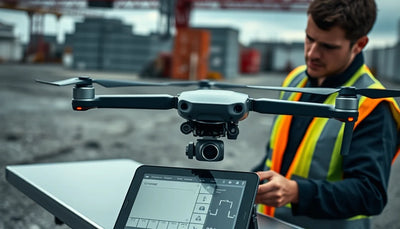
For commercial operators, a platform like c7 typically functions as a digital layer that connects flight authorization, airspace coordination, logistics tasking, and fleet management. While the source report does not provide technical specifications or a feature list, the implication is clear: drone operations are being organized through centralized digital infrastructure rather than ad-hoc arrangements.
The practical takeaway for fleet managers is that platform-driven operations tend to increase aircraft utilization rates. When flights are coordinated through a central system, aircraft spend less time idle and more time on revenue-generating missions. Higher utilization, in turn, puts more flight hours on airframes and components, which accelerates maintenance cycles and increases demand for genuine OEM spare parts.
Reboot Hub analysis: if the c7 platform succeeds in normalizing daily commercial drone flights across Chinese cities, the secondary effect will be a measurable increase in the volume of drones entering service and, eventually, a steady pipeline of well-maintained pre-owned aircraft reaching the market. Operators who plan for that cycle now will be better positioned than those who react after the shift is complete.
What this means for drone buyers
For buyers considering a pre-owned DJI drone, the c7 platform's operational launch carries a specific implication: commercial fleets that fly regularly under platform coordination will generate a more predictable supply of used aircraft. These are not drones retired due to failure. They are units rotated out as fleets standardize on newer models or as maintenance schedules reach economic replacement points.
Buyers should look for aircraft with documented flight logs and service histories. In a platform-coordinated environment, flight data is typically recorded digitally, which means a pre-owned drone from a commercial fleet may come with a more complete operational record than a privately owned unit. That record is valuable for verifying airframe condition and planning maintenance.
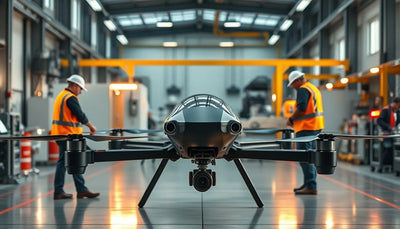
For repair customers, the operational normalization of the low-altitude economy means repair shops should expect a higher volume of commercial aircraft with consistent wear patterns. High-utilization fleets generate predictable maintenance needs: motor replacements, gimbal calibration, battery health checks, and structural inspections. Professional DJI repair services that stock genuine OEM spare parts will be better equipped to handle this influx than shops relying on generic components.
What should a buyer, pilot, or fleet manager do differently after reading this? If you operate a commercial fleet, begin documenting flight hours and maintenance events systematically now. If you are buying pre-owned, prioritize units with verifiable service records. If you manage repairs, confirm your parts supply chain can handle recurring demand from high-utilization aircraft. The c7 platform launch does not change drone hardware overnight, but it changes the operating environment in which that hardware is used.
Commercial implications for fleet planning and logistics
The arcade bus report ties the c7 platform to the broader low-altitude economy narrative, which in China encompasses logistics delivery, aerial surveying, agricultural operations, and urban air mobility. The trillion-scale framing is ambitious, but the operational reality is more incremental. Normal operation in 2026 means that the systems supporting commercial drone flights are stable enough for daily use, not that every city is suddenly saturated with delivery drones.
Reboot Hub analysis: For fleet operators, the practical implication is that logistics-oriented drone operations are likely to expand in urban and suburban corridors where platform coordination is active. This expansion creates demand for aircraft with reliable endurance, redundant systems, and robust data links. It also creates demand for maintenance capacity, because logistics flights are typically scheduled tightly and cannot afford unscheduled downtime.
The pre-owned market impact is indirect but real. As commercial fleets expand to meet platform-driven demand, they will purchase new aircraft. Over time, the older aircraft in those fleets will cycle into the secondary market. Buyers who understand this cycle can time their purchases to align with fleet refresh cycles, acquiring aircraft that have been professionally maintained and retired for economic reasons rather than technical failure.
Operators should also consider the repair ecosystem. A drone that flies daily under platform coordination will need more frequent service than a hobbyist aircraft flown occasionally. Repair shops that specialize in commercial fleet maintenance, using genuine OEM components, will become increasingly valuable partners for operators who cannot afford extended downtime.
Market trajectory and the secondary market outlook
The arcade bus report describes 2026 as the first year of normal operation, which implies that subsequent years will see further maturation. For the secondary drone market, this trajectory suggests several trends worth monitoring.
First, the volume of commercial-grade pre-owned drones entering the market should increase steadily as fleets expand and refresh. Second, the quality of available pre-owned units may improve, because platform-coordinated fleets tend to maintain better documentation than individual owners. Third, demand for professional repair services should grow in tandem with fleet utilization, creating opportunities for repair shops that invest in genuine parts inventory and trained technicians.
Reboot Hub analysis: For buyers, the near-term takeaway is that the pre-owned DJI market is likely to become more institutional. Instead of buying from individual sellers with uncertain histories, buyers may increasingly find aircraft sourced from commercial fleets with verifiable maintenance records. These aircraft often represent better value than privately owned units, provided the buyer verifies the documentation.
For sellers, the implication is that documented service history will become a stronger differentiator. A pre-owned drone with a complete flight log and maintenance record will command a premium over an identical unit with unclear history. Operators who maintain good records today will be rewarded when they eventually sell or trade in their aircraft.
Reboot Hub analysis: the c7 platform launch is a market-structure event, not a hardware event. It does not change the specifications of any drone model. It changes how drones are used, how often they fly, and how they are maintained. Those changes will ripple through the pre-owned market, the repair ecosystem, and fleet planning decisions over the next several years.
What is the c7 platform?
According to the arcade bus industry report, the c7 platform official website is now operational and is described as driving the first year of normal operation for China's low-altitude economy in 2026. The report does not provide technical details or a feature list, so the platform's specific functions remain source-limited information.
How does this affect the pre-owned drone market?
As commercial fleets expand under platform-coordinated operations, older aircraft will cycle into the secondary market with documented service histories. Buyers should expect a growing supply of professionally maintained pre-owned drones, while sellers with complete maintenance records should see stronger resale values.
What should fleet operators do in response?
Fleet operators should begin systematic documentation of flight hours and maintenance events, plan for higher aircraft utilization rates, and ensure their repair partners can handle recurring service demand. Operators who maintain verifiable records will be better positioned for both fleet refresh cycles and eventual resale.
参照ソース
公開時点で、追加の公式ドキュメントは入手できませんでした。
Reboot Hub編集部は、ドローン所有者のために購入、修理、再販、および運用の分析を提供します。誤りを発見した場合は、編集方針に基づき修正レビューを依頼してください。