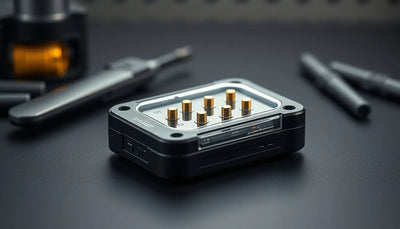
Leaked DJI Neo 3 Report Points to a Larger 1.1-Inch Camera Sensor
A new leak suggests the DJI Neo 3 may carry a 1.1-inch CMOS camera sensor, a meaningful step up for a compact airframe. The report remains unconfirmed, but the sensor size alone could reshape how commercial operators and pre-owned drone buyers evaluate the Neo line.

Quick answer
A leaked report from Geeky Gadgets indicates the DJI Neo 3 has been spotted with a 1.1-inch CMOS camera sensor, though DJI has not confirmed the development.
- The report attributes the sighting to leaked information published by Geeky Gadgets.
- The claimed 1.1-inch CMOS sensor would be a notable change for the compact Neo product line.
- No official DJI confirmation or verified technical specifications were available at the time of reporting.
- Commercial buyers should treat the sensor detail as unconfirmed until DJI publishes official product information.
A new report from Geeky Gadgets suggests the DJI Neo 3 has been spotted with a 1.1-inch CMOS camera sensor, a detail that would mark a significant hardware shift for the compact Neo product line. The report, published through Google News Mavic, is based on leaked information rather than an official DJI announcement. For commercial operators, repair customers, and buyers tracking the pre-owned DJI market, the sensor size alone is enough to raise practical questions about image quality, pricing, and how the current Neo generation will hold its value.
DJI buying context
Match product news to hardware you can actually deploy.
Check inspected DJI aircraft, repair support, and trade-in timing before deciding whether to upgrade, repair, or wait.

The report should be read carefully. DJI has not confirmed the Neo 3, and no verified specification context was available for this article. What the source provides is a specific, source-limited claim: a leaked sighting tied to a 1.1-inch CMOS camera sensor. That is a meaningful detail if accurate, because it would push the Neo line closer to the imaging expectations of larger camera drones while presumably keeping a compact airframe. Reboot Hub analysis of the commercial impact remains conditional on whether the leak proves accurate.
What the leak actually says
The central claim in the Geeky Gadgets report is narrow but consequential. The publication states that a leaked DJI Neo 3 was spotted with a 1.1-inch CMOS camera sensor. No additional verified specifications, firmware details, transmission figures, or compatibility claims were included in the source data. That absence matters for fleet planners and repair shops, because a single sensor detail does not confirm the full imaging pipeline, gimbal design, or parts compatibility of an unannounced model.
For operators familiar with the current DJI Neo, the reported sensor size would represent a step up in light capture and image quality potential. A larger CMOS sensor generally supports better low-light performance and greater dynamic range, but those outcomes depend on the lens, processing, and software tuning that DJI has not yet disclosed. Until official specifications appear, the leak should be treated as an early signal rather than a procurement benchmark.
What this means for drone buyers
Buyers evaluating the compact drone segment should consider timing. If the Neo 3 eventually launches with a larger sensor, the current Neo generation may face downward pressure in the pre-owned market, particularly among operators who prioritize imaging quality. That does not make the existing model obsolete, but it does change the resale conversation. A buyer holding a current-generation Neo today is holding a product that may soon be compared against a successor with a materially different camera platform. For buyers comparing ownership options, Pristine Pre-Owned DJI Neo provides a practical next step for model, condition, and replacement timing.
For those who want a lower-cost entry point into the Neo line without waiting for an unconfirmed launch, the Pristine Pre Owned Dji Neo remains a practical option. The key operator-facing decision is whether to buy now at a stable pre-owned price or wait for official DJI confirmation that could shift both new and used pricing across the compact drone category.
Repair, parts, and fleet planning implications
A larger sensor in a compact airframe has direct implications for repair workflows. Camera modules, gimbal assemblies, ribbon cables, and cooling layouts often change when a manufacturer moves to a different sensor size. Repair shops that stock OEM-pulled parts for the current Neo should not assume that Neo 3 components will be interchangeable, even if the airframe looks similar. The source data does not confirm any parts compatibility, and no official service documentation exists for an unannounced model.
Fleet managers running mixed compact drone inventories should also watch how DJI positions the Neo 3 in its broader product stack. If the new model arrives with imaging closer to larger consumer or enterprise drones, it could reduce the need for some operators to carry a heavier airframe for certain inspection or documentation tasks. That would be a meaningful operational shift, but it remains speculative until DJI publishes confirmed specifications and pricing.
Pre-owned DJI market outlook
The pre-owned DJI market tends to reprice quickly when a successor model introduces a visible hardware change. Camera sensor size is one of the most visible changes for buyers, because it translates directly into image quality expectations. If the Neo 3 leak proves accurate, Reboot Hub analysis suggests that current Neo listings may see more negotiation pressure from buyers who are willing to wait for the newer platform. Sellers, by contrast, may benefit from moving inventory before official launch coverage accelerates.
At the same time, the compact drone segment has a broad buyer base that values portability, price, and ease of repair over marginal imaging gains. Not every buyer will wait for an unconfirmed model. The practical takeaway for operators and repair customers is to separate confirmed facts from leaked signals. The only source-supported fact in this report is that Geeky Gadgets published a leak pointing to a 1.1-inch CMOS sensor on a DJI Neo 3. Everything else about launch timing, pricing, availability, and performance remains open.
FAQ
Frequently asked questions
Is the DJI Neo 3 officially confirmed?
No. The report from Geeky Gadgets is based on leaked information, and DJI has not confirmed the Neo 3 or its camera specifications.
Why does a 1.1-inch CMOS sensor matter?
A larger sensor can improve low-light performance and dynamic range compared with smaller sensors, but real-world results depend on the lens, processing, and software that DJI has not yet disclosed.
Should I wait to buy a pre-owned DJI Neo?
It depends on your imaging needs and timeline. If the Neo 3 launches with the reported sensor, current Neo prices may face downward pressure, but the existing model remains a capable compact platform for buyers who do not need the newest camera hardware.
Which sources support this update?
The article distinguishes reported information from analysis and does not present an unverified source as official confirmation.
What remains subject to change?
Retail pricing, availability, product bundles and regulatory timelines can change. Readers should verify the latest terms with the named retailer, manufacturer or regulator before acting.
How should buyers or operators use this analysis?
Use the verified facts as a starting point, then compare mission fit, lifecycle support, maintenance needs and current procurement terms before making a purchase or fleet decision.
参照ソース
- Geeky Gadgets via Google News - primary source
公開時点で、追加の公式ドキュメントは入手できませんでした。
Reboot Hub編集部は、ドローン所有者のために購入、修理、再販、および運用の分析を提供します。誤りを発見した場合は、編集方針に基づき修正レビューを依頼してください。