Reboot Hub Drone Intelligence
News  /  業界のホットスポット分析  /  JOBY Stock Low: What the Aviation Selloff Means...
Finance

JOBY Stock Low: What the Aviation Selloff Means for Drone Buyers

Joby Aviation (JOBY), EQT, and XE stocks hit 52-week lows last week as investors grew cautious about capital-intensive, long-term-profit businesses. Here’s what this market shift means for commercial drone buyers, fleet operators, and the pre-owned DJI market.

JOBY Stock Low: What the Aviation Selloff Means for Drone Buyers

Last week, Joby Aviation (JOBY), along with EQT Corporation and Xechem Technologies, touched 52-week lows. The selloff reflects a broader shift in investor sentiment: away from companies that require large upfront capital and long timelines to reach profitability. For the commercial drone industry, this matters more than it might first appear. Joby is an electric vertical takeoff and landing (eVTOL) developer, but its stock struggles speak to the same capital dynamics that shape drone manufacturing, fleet expansion, and second-hand market confidence. When investors pull back from high-burn-rate aviation ventures, the consequences ripple into the procurement habits of drone buyers and fleet operators worldwide.

This analysis explores the source details of the selloff, connects them to drone market realities, and offers actionable thinking for anyone managing drone fleets, buying pre-owned equipment, or planning repair budgets.

Why JOBY, EQT, and XE stocks fell

According to the source report, companies in aviation, energy, and nuclear technology faced pressure “as investors became more cautious about businesses that need large investments and take a long time to make profits.” Joby Aviation, which is developing an eVTOL air taxi service, embodies exactly that profile. Its commercial launch is still years away, and it requires billions in certification, manufacturing, and infrastructure costs. EQT, a natural gas producer, also depends on sustained capital expenditure for drilling and pipeline development. Xechem, a nuclear technology firm, similarly operates with long development cycles. The common thread is that investors are now less willing to wait for returns that may not materialize for five, ten, or even fifteen years.

Purchase timing

Use market shifts to buy, sell, repair, or wait with more context.

Compare trade-in timing, pre-owned DJI pricing, and repair economics before committing new capital.

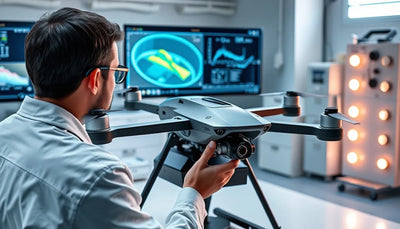
JOBY Stock Low: What the Aviation Selloff Means for Drone Buyers - Reboot Hub editorial image
Reboot Hub editorial image for this drone industry analysis.

For a drone analyst watching this, the takeaway is not about the specific stock prices. It is about the signal that expensive, slow-moving bets are falling out of favor. That has direct parallels in the drone industry, where several well-funded startups in cargo delivery, air taxi development, and advanced drone hardware are also burning cash with uncertain paths to mass adoption.

Broader market caution and drone industry parallels

Investment cycles in aviation and energy often foreshadow what happens in adjacent tech hardware markets. When capital becomes scarce for high-capex ventures, drone manufacturers and fleet operators that depend on venture rounds, public equity, or equipment financing may face tighter conditions. The source does not name drone companies directly, but the pattern is well documented. A market that punishes Joby Aviation for its long time to profit will similarly penalize drone companies with similar burn rates and deferred revenue schedules.

What does this mean for a drone buyer in 2026? It means that new model launches from smaller OEMs may slow down. It means that enterprise fleet upgrades could become less frequent if financing dries up. And it means that the second-hand market for proven, cash-flow-positive equipment becomes more attractive. Pre-owned DJI drones, particularly the Mavic 3 Enterprise, Matrice 30 series, and Phantom 4 RTK, have already established utility, IP rating, and parts availability. Their value proposition improves when the alternative—buying new from a capital-strained manufacturer—carries more performance risk and less assurance of long-term support.

What this means for drone buyers

For commercial drone operators, the direct implication is to prioritize capital efficiency over chasing the latest hardware. A fleet buyer who was considering a large order from a venture-backed drone startup might reconsider. Instead, expanding an existing fleet with inspected pre-owned DJI drones from a trusted source like Reboot Hub can deliver the same or better operational readiness at a fraction of the upfront cost. The repair ecosystem for DJI platforms is mature, with genuine OEM spare parts readily available. That matters when you cannot afford downtime on a long-term capital project.

For repair customers, the message is similar. If new drone prices remain high and financing tightens, keeping current aircraft in the air becomes the most intelligent financial move. Professional DJI repair services using OEM-pulled parts extend the economic life of a fleet without requiring the operator to commit to a new purchase during a period of market uncertainty. The source’s insight about investor caution reinforces that prudent operators should focus on asset longevity.

One concrete action a drone buyer can take today: review your fleet utilization data. If you have idle aircraft, consider trading them in using a structured drone trade-in guide. That frees up cash to acquire higher-value pre-owned units that better match current mission needs—without taking on new capital obligations.

Practical steps for fleet operators now

The selloff in JOBY, EQT, and XE stocks is not a one-day anomaly. It reflects a sustained risk-off mood in the markets. Fleet managers should respond by hedging against supply chain disruptions and price increases that could follow if drone OEMs face funding shortfalls. Stocking genuine OEM spare parts for frequently replaced components—propellers, batteries, gimbals, and antennas—can prevent mission stops. Using professional DJI repair services ensures that repairs use verified parts and maintain airworthiness.

For those in the second-hand market, the timing is favorable. Pre-owned DJI drones are not subject to the same capital-market pressures; they already exist, have known resale values, and are supported by an extensive parts network. When market uncertainty rises, liquidity and reliability win over novelty. Buyers looking for a cost-effective entry into enterprise drone operations should consider purchasing inspected pre-owned units rather than committing to long-term leases or new-equipment loans that could be impacted by rising interest rates.

Finally, stay informed about how investor sentiment evolves toward the broader tech-aviation sector. The current caution may persist through 2027, meaning that drone buyers who lock in lower costs today by choosing pre-owned platforms and OEM repair services will have a competitive advantage when market conditions eventually improve.

Will the JOBY stock drop affect drone component pricing?

Not directly. The selloff reflects equity market sentiment, not raw material costs. However, if drone OEMs rely on investor capital, they may raise prices on new units to improve margins, which could increase demand for pre-owned alternatives.

Should I delay my fleet upgrade because of this market news?

Not necessarily. If you need new capability now, acquiring inspected pre-owned DJI drones is a low-risk move. The upgrade becomes about operational need, not market timing. The caution is about new OEM purchases that may have uncertain support futures.

Is the pre-owned DJI market stable in this environment?

Yes. The pre-owned market is driven by existing asset turnover, not speculative capital. As buyers seek value during investor uncertainty, prices for proven platforms like the Matrice 350 RTK and Mavic 3E remain firm. Sellers using professional decommissioning and inspection processes offer reliable inventory.

About Reboot Hub Editorial

Drone reporting with operator context

Reboot Hub Editorial Desk reviews public reporting, company announcements, regulatory updates, and market signals, then adds practical analysis for DJI buyers, repair customers, and fleet operators. Commercial links are separated from editorial claims, and corrections can be sent through Contact Us.

Sources consulted

Reboot Hub Editorial adds buyer, repair, resale, and operational analysis for drone owners. If you spot an error, contact us for correction review through our editorial policy.

This article is market commentary for drone operators and buyers, not investment advice. Reboot Hub does not provide financial advice or recommend securities transactions.

Finance Drone industry analysis