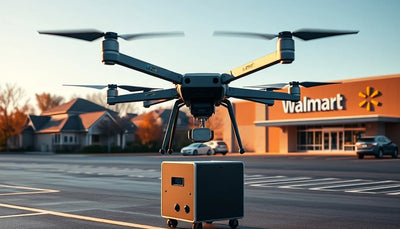
Fortem and MBDA Expand Counter-Drone Air Defense Partnership
Fortem Technologies and MBDA announced an expanded strategic partnership to integrate autonomous drone interceptors into existing military air defense systems. The move signals a shift from standalone counter-drone tools toward layered defense architecture for European and allied customers.

Quick answer
Fortem Technologies and MBDA announced an expanded strategic partnership on October 12, 2026, to integrate autonomous drone interceptors into existing military air defense systems for European and allied defense customers.
- The agreement builds on a 2024 collaboration involving Fortem's DroneHunter technology and MBDA's Sky system
- The partnership adds net-capture and kinetic counter-drone capabilities to integrated air defense
- DRONELIFE reported the announcement on October 12, 2026
- The development signals a move from standalone counter-UAS tools toward layered defense architecture
Evidence: DRONELIFE · AeroVironment unmanned systems solutions · Defense.gov official source
Fleet readiness
Keep DJI hardware available without overbuying new units.
Use defense and fleet news as a planning signal for repair support, inspected pre-owned aircraft, and replacement timing.

DRONELIFE reported on October 12, 2026, that Fortem Technologies and European defense company MBDA have announced an expanded strategic partnership. The agreement is designed to integrate autonomous drone interceptors into existing military air defense systems for European and allied defense customers. According to the report, the expanded arrangement builds on a 2024 collaboration that incorporated Fortem's DroneHunter technology into MBDA's Sky system.
The announcement matters because it reflects a broader shift in how defense organizations approach counter-drone operations. Rather than treating counter-UAS tools as isolated, standalone systems, the partnership points toward embedding them within integrated air defense networks. For commercial drone operators, fleet managers, and buyers tracking the defense sector, this kind of integration signals where procurement budgets and technology roadmaps may be heading.
What the expanded partnership covers
Based on the DRONELIFE report, the expanded agreement brings net-capture and kinetic counter-drone capabilities to European and allied defense customers. The central development is the integration of autonomous drone interceptors into existing military air defense systems, rather than deploying them as separate or standalone counter-UAS units. This is a meaningful distinction in defense procurement, where interoperability with legacy command and control infrastructure often determines whether a new capability gets adopted at scale.
Fortem's DroneHunter technology was already part of an earlier collaboration with MBDA's Sky system in 2024. The new announcement suggests that the relationship has moved from initial technical collaboration toward a broader strategic arrangement. Reboot Hub analysis would note that this progression is typical of defense technology partnerships: early integration work often precedes formal expansion once a capability proves operationally relevant and technically compatible with existing architecture.
Why integrated air defense changes counter-drone thinking
Standalone counter-drone systems typically operate with their own sensors, tracking logic, and engagement tools. They can detect and respond to drone threats, but they may not share data cleanly with broader air defense radars, command centers, or kinetic interceptors. The Fortem-MBDA partnership appears aimed at closing that gap by placing autonomous drone interceptors within the same operational picture as other air defense assets.
For defense customers, this reduces the risk of fragmented response. A drone threat detected by one sensor layer could be handed off to an autonomous interceptor without requiring a separate operator console or manual coordination process. The DRONELIFE report does not provide technical specifications or performance figures, so Reboot Hub is not in a position to assess range, speed, or engagement success rates. What the announcement does indicate is a strategic direction: counter-drone capability is being treated as part of integrated air defense rather than a niche add-on.
What this means for drone owners and the market
Commercial drone operators in Europe and allied markets should read this development as a signal about airspace security expectations. As military air defense systems become more capable of detecting and intercepting drones, civilian airspace management and regulatory frameworks may tighten in parallel. Defense-grade counter-UAS integration often influences how civil aviation authorities think about drone detection, identification, and enforcement. Operators flying near sensitive sites, critical infrastructure, or military installations may face more sophisticated monitoring and faster response times.
For buyers and fleet managers, the announcement is not an immediate operational change. It does not alter DJI product availability, spare parts supply, or repair workflows today. But it does reinforce a longer-term trend: the drone ecosystem is becoming more contested, and defense investment in counter-UAS technology continues to grow. For readers tracking the pre-owned DJI market, the relevant question is whether tighter airspace security measures in Europe could eventually affect where and how commercial drones can be flown. Reboot Hub maintains a Drone Wiki resource for operators who want to track regulatory and market shifts that could affect ownership, resale, and repair planning. For owners evaluating service and lifecycle risk, Drone Wiki explains the relevant repair, parts, resale, or operational path.
Repair customers and fleet operators should also note that defense technology developments rarely translate directly into consumer or enterprise drone hardware changes. However, they can influence insurance requirements, operational approvals, and client expectations for security compliance. A fleet operator serving European infrastructure clients may find that customers begin asking about counter-drone readiness or flight authorization protocols as integrated air defense capabilities become more visible in public procurement discussions.
The commercial and procurement signal
Defense partnerships like the Fortem-MBDA arrangement often take years to translate into fielded systems. The DRONELINE report describes an expanded strategic partnership, not a completed deployment or a specific procurement contract. Reboot Hub analysis suggests that the near-term significance is directional: European defense customers are signaling interest in counter-drone capabilities that fit within existing air defense command structures, and technology providers are positioning themselves accordingly.
For commercial drone buyers, the practical takeaway is to monitor how European airspace security policy evolves alongside defense procurement. If integrated counter-drone systems become standard in allied defense networks, civil aviation authorities may adopt related detection and identification requirements for commercial operations. Fleet managers should keep documentation, flight logs, and compliance records in order, as airspace enforcement could become more automated and more closely tied to defense-grade sensing infrastructure over time.
FAQ
Frequently asked questions
What did Fortem and MBDA announce?
According to DRONELIFE, Fortem Technologies and MBDA announced an expanded strategic partnership on October 12, 2026, to integrate autonomous drone interceptors into existing military air defense systems for European and allied defense customers.
Does this affect commercial drone operators today?
There is no immediate operational change for commercial drone operators. The announcement describes a strategic partnership, not a new regulation or product release. However, it signals a longer-term trend toward more integrated counter-drone capabilities in European airspace.
Should drone buyers or fleet managers change anything now?
Buyers and fleet managers should monitor European airspace security and regulatory developments, keep flight documentation current, and stay informed about how defense counter-UAS investment may influence civil aviation enforcement over time.
Which sources support this update?
The visible evidence links identify DRONELIFE and AeroVironment unmanned systems solutions and Defense.gov official source; each source is used only for the claim it directly supports.
What remains subject to change?
Retail pricing, availability, product bundles and regulatory timelines can change. Readers should verify the latest terms with the named retailer, manufacturer or regulator before acting.
How should buyers or operators use this analysis?
Use the verified facts as a starting point, then compare mission fit, lifecycle support, maintenance needs and current procurement terms before making a purchase or fleet decision.
参照ソース
- DRONELIFE - primary source
- AeroVironment unmanned systems solutions - official company source
- Defense.gov official source - official government source
Reboot Hub編集部は、ドローン所有者のために購入、修理、再販、および運用の分析を提供します。誤りを発見した場合は、編集方針に基づき修正レビューを依頼してください。