Reboot Hub Drone Intelligence
News  /  業界のホットスポット分析  /  FCC Fines Companies for Bringing DJI Tech Into...
Regulation

FCC Fines Companies for Bringing DJI Tech Into US: What Operators Should Know

The FCC is fining multiple companies it alleges brought DJI technology into the United States. Drone buyers and fleet operators should understand how this enforcement action may affect supply, pricing, and repair options.

FCC Fines Companies for Bringing DJI Tech Into US: What Operators Should Know

The Federal Communications Commission has announced fines against multiple companies it accuses of bringing DJI technology into the United States. The news, reported by PetaPixel and sourced through Google News, represents a notable escalation in regulatory attention directed at the flow of DJI hardware and components across U.S. borders. While the specific identities of the fined companies and the exact nature of the technology involved remain to be fully detailed, the action itself signals a hardening enforcement posture that every drone buyer, fleet manager, and repair customer should take seriously.

For commercial operators who rely on DJI drones for daily operations—whether in surveying, construction, agriculture, or inspection—this development introduces a new layer of uncertainty around supply chains, pricing, and the long-term availability of OEM parts. The FCC’s move is not a ban, but it is a clear warning that the regulatory environment surrounding DJI’s presence in the U.S. market is tightening, and the effects could ripple through procurement decisions, repair strategies, and the second-hand market for DJI equipment.

What the FCC action actually means

The FCC’s fines target companies it believes have brought DJI technology into the U.S. in violation of existing rules. The source material does not specify whether these are direct imports of complete drones, subsystems, or components, nor does it list the companies involved or the dollar amounts of the fines. What is clear is that the agency is actively investigating and penalizing entities it sees as circumventing restrictions on DJI gear. This follows a broader pattern of U.S. government scrutiny of DJI products over data security concerns, and it suggests that enforcement is moving beyond warnings and policy statements into concrete financial penalties.

Operator checklist

Turn policy news into a safer fleet decision.

Before changing aircraft, compare repair paths, available DJI inventory, and trade-in timing against the rule change.

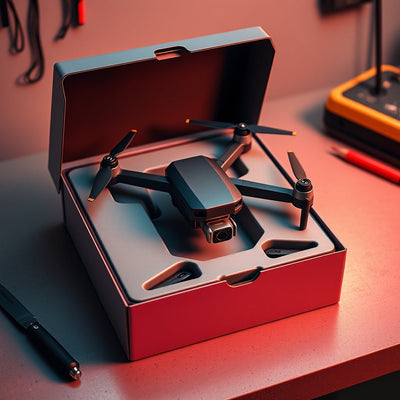
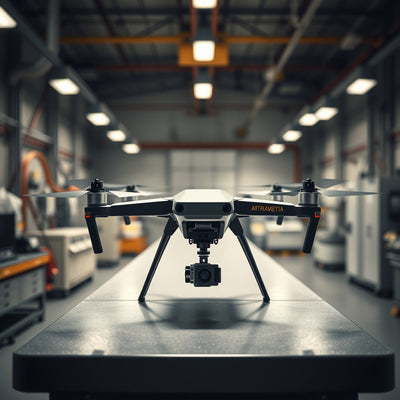
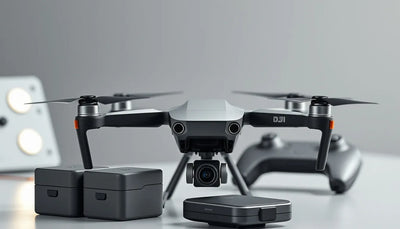
FCC Fines Companies for Bringing DJI Tech Into US: What Operators Should Know - Reboot Hub editorial image
Reboot Hub editorial image for this drone industry analysis.

Reboot Hub analysis: For fleet operators, the immediate implication is that the logistics of sourcing new DJI units—and especially spare parts for repairs—could become more complicated. If the companies being fined were distributors or logistics handlers, their disruption could tighten the supply of certain models or parts in the short term. Even if the fines do not directly affect major retailers, the chilling effect on other importers may lead to reduced inventory levels, longer lead times, or higher prices. Operators who depend on just-in-time inventory for drone fleets should begin evaluating their current stock of critical OEM parts and consider whether they need to build buffer supplies.

Reboot Hub analysis: It is also worth noting that this enforcement action is separate from any formal ban or revocation of FCC equipment authorization. DJI drones are still legally sold and operated in the United States. However, the fines signal that the regulatory pathway for bringing new DJI technology into the country is narrowing. Companies that attempt to import DJI products or components without proper FCC clearance now face real financial risk. This uncertainty is likely to factor into the pricing of both new and pre-owned DJI drones, as buyers and sellers recalibrate expectations around future availability.

What this means for drone buyers

For anyone considering a new DJI drone purchase—whether for a single-operator business or a large enterprise fleet—the FCC fines introduce an element of timing risk. If supply chains become constrained, prices on new units may rise, and certain models could become harder to find. Buyers who are planning a purchase in the next quarter may want to accelerate their decision to lock in current pricing and availability. Conversely, buyers with flexibility may choose to wait and see how the enforcement landscape evolves, though waiting carries its own risk of price increases or model discontinuations.

One practical response is to consider the pre-owned DJI market as a more predictable alternative. Drones that are already within the United States and have been in commercial use are not subject to the same import uncertainty. A well-maintained, inspected pre-owned DJI unit can offer similar performance to a new unit at a lower price, with the added advantage that the supply is not directly affected by FCC enforcement against importers. Fleet operators looking to expand capacity without exposing themselves to supply chain volatility may find that pre-owned DJI drones provide a viable hedge.

Additionally, buyers and fleet managers should review their repair and spare part strategies. If new OEM parts become harder to source due to disrupted import channels, the ability to keep existing drones flying becomes more valuable. Investing in professional DJI repair services that use genuine OEM parts can extend the useful life of current equipment and reduce dependency on the new-unit market. For operators who rely on specific models, stocking up on commonly replaced components such as propellers, motors, and camera modules may be a prudent short-term measure.

The key takeaway for buyers is to act with awareness rather than fear. The FCC fines do not make DJI drones illegal or unusable, but they do create an environment where strategic purchasing and maintenance planning can provide a competitive advantage. Staying informed about further developments—and working with reputable suppliers who understand the regulatory landscape—will help operators navigate this period of change.

Implications for the pre-owned DJI market and repairs

The second-hand DJI market stands to be affected by the FCC enforcement in several ways. First, any supply disruption for new units tends to increase demand for pre-owned equipment, which can push up prices in online marketplaces and through specialized resellers. For operators who already own DJI fleets, this may increase the resale value of their drones if they choose to sell or trade in equipment. For buyers, it means that acting quickly to secure a pre-owned unit could be beneficial before price adjustments fully materialize.

Second, the repair ecosystem faces pressure. If import channels for OEM spare parts are narrowed, repair shops may need to rely more heavily on existing inventory, reclaimed parts from damaged drones, or alternative sourcing. This is where the value of professional DJI repair services becomes especially clear. Shops that maintain a stock of genuine OEM parts and have established supply relationships are better positioned to continue servicing DJI drones without interruption. Operators should verify that their chosen repair provider uses only OEM-pulled parts and has a transparent parts sourcing process.

Third, the trade-in market could see shifts. Operators considering upgrading or downsizing their fleets may find that trade-in values are favorable if demand for pre-owned DJI drones increases. However, trade-in programs that rely on the sale of refurbished units overseas or through wholesalers could be affected if those wholesalers face import scrutiny. The safest approach is to work with a trade-in partner that has a clear domestic remarketing channel and a reputation for accurate valuation.

For drone repair customers, the FCC fines underscore the importance of proactive maintenance. Rather than waiting for a failure to occur, scheduling regular inspections and replacing high-wear parts can prevent downtime and reduce the likelihood of being caught in a parts shortage. Operators who treat repairs as a planned expense rather than an emergency reaction will be better equipped to handle supply constraints.

Strategic considerations for fleet managers and procurement teams

Fleet managers and procurement professionals should take a portfolio view of their drone assets in light of the FCC enforcement. Diversifying the fleet with models that have different supply chain dependencies—including potentially non-DJI alternatives—may reduce overall risk. However, switching platforms involves training, accessory compatibility, and workflow adjustments that should not be undertaken lightly. For many operators, the most practical strategy is to optimize the value of existing DJI equipment through careful maintenance and strategic purchases of pre-owned units to supplement the fleet.

Contract terms for new drone acquisitions may need to include clauses that address delivery delays due to regulatory actions. Procurement teams should ask suppliers about their inventory levels, import channels, and contingency plans if new shipments are delayed. Similarly, service agreements for drone repair should specify lead times for parts and whether the repair provider has a stocked inventory of genuine components. Transparency in the supply chain is becoming a competitive differentiator.

Another consideration is the timing of major fleet refreshes. If an operator planned to replace a large number of drones within the next year, doing so before the full impact of the FCC fines is felt could lock in current pricing and availability. Conversely, delaying a refresh and relying on pre-owned units for short-term capacity may be a lower-risk option, especially if the regulatory situation becomes more restrictive. The decision hinges on each operator’s risk tolerance, operational needs, and budget flexibility.

Finally, it is worth noting that the FCC action may also affect the availability of DJI accessories, including batteries, remote controllers, and payloads. Fleet managers should audit their accessory inventory and identify any items that are frequently replaced or have long lead times. Building a small strategic reserve of these items can prevent operational bottlenecks.

In summary, the FCC fines mark a turn toward active enforcement that the drone industry has not seen before. While the full consequences are still unfolding, commercial operators who take a measured, informed approach—exploring the pre-owned market, investing in professional repair, and managing inventory proactively—will be best positioned to maintain operational continuity regardless of how the regulatory landscape shifts.

Are DJI drones still legal to buy and fly in the US?

Yes, DJI drones are currently legal to purchase, own, and operate in the United States. The FCC fines target companies for import violations, not individuals for using DJI products. However, the enforcement action could affect future supply and pricing, so buyers should monitor the situation closely.

Should I sell my DJI drone now before values drop?

There is no indication that DJI drone values are about to drop. In fact, if new supply becomes constrained, the value of well-maintained pre-owned DJI drones may increase. The better question is whether you need cash or want to upgrade; a carefully timed trade-in or private sale could be advantageous.

Will the FCC fines affect my ability to repair my DJI drone?

Only if the fines lead to shortages of genuine OEM spare parts. In the near term, most repair shops have adequate inventory. To be safe, confirm with your repair provider that they use genuine OEM parts and have a reliable sourcing process. Consider keeping a few critical spares on hand for your most-used models.

About Reboot Hub Editorial

Drone reporting with operator context

Reboot Hub Editorial Desk reviews public reporting, company announcements, regulatory updates, and market signals, then adds practical analysis for DJI buyers, repair customers, and fleet operators. Commercial links are separated from editorial claims, and corrections can be sent through Contact Us.

Sources consulted

Reboot Hub Editorial adds buyer, repair, resale, and operational analysis for drone owners. If you spot an error, contact us for correction review through our editorial policy.

Regulation Drone industry analysis