F-35 and MQ-20 Avenger Just Teamed Up in a Game-Changing Autonomy Exercise
In a landmark flight test on 2026-05-28, General Atomics and the U.S. Air Force paired an F-35 Lightning II with an MQ-20 Avenger drone in a joint autonomy exercise. This breakthrough in manned-unmanned teaming (MUM-T) signals a seismic shift for defense drone procurement, commercial airspace integration, and the second-hand UAV market. For commercial operators flying under FAA Part 107, the rapid advancement of autonomous military drones raises urgent questions about airspace access, spectrum allocation, and the future value of existing fleet assets like the DJI Mavic 3 or Matrice series. Read our full analysis of what this means for drone investors and operators.

編集ノート
- この記事は、指定された外部レポートとReboot Hub独自の分析を組み合わせ、ドローン購入者、フリートオペレーター、修理依頼客、および中古DJI市場の監視者に提供するものです。
- ソースとなる事実は解釈から分離されています。レポートのデータが限定的な場合は、その制限を明記した上で、Reboot Hubの見解を分析として提示します。
- Reboot Hubはドローン製品および修理サービスへの商用リンクを掲載していますが、これらは読者のためのリソースであり、記事の結論を決定付けるものではありません。
On May 28, 2026, the landscape of aerial warfare-and by extension, the global drone industry-shifted decisively. General Atomics Aeronautical Systems, Inc. (GA-ASI), in collaboration with the F-35 Joint Program Office, the 309th Software Engineering Group, the 461st and 370th Flight Test Squadrons, Lockheed Martin, and Autonodyne, successfully executed a flight test pairing an F-35 Lightning II fighter jet with a GA-ASI Collaborative Combat Aircraft (CCA) surrogate, the MQ-20 Avenger - . This demonstration of advanced Manned-Unmanned Teaming (MUM-T) is not merely a military milestone; it is a commercial signal that will reverberate through the civilian drone market, the second-hand UAV trade, and the regulatory frameworks governing both.
For the uninitiated, the MQ-20 Avenger is a jet-powered, stealthy unmanned aerial vehicle (UAV) originally developed as a hunter-killer platform. In this test, it served as a surrogate for the U.S. Air Force's future Collaborative Combat Aircraft-essentially a loyal wingman drone designed to operate in sync with manned fighters. The F-35, equipped with the most advanced sensor fusion and data-link technology in the world, acted as the command node. The result? A seamless, autonomous coordination of flight paths, sensor targeting, and tactical decision-making between a human pilot and an AI-driven machine.

This is not a hypothetical future. It happened today. And its implications for drone technology, commercial operations, and the used drone market are profound.
Fleet readiness
Keep DJI hardware available without overbuying new units.
Use this news as a planning signal for inspected DJI aircraft, repair support, and trade-in timing.
The Technical Breakthrough: Beyond Simple Remote Control
The core achievement of this test lies in the level of autonomy demonstrated. Previous MUM-T efforts often relied on pre-programmed waypoints or human-in-the-loop control for every critical maneuver. This exercise, however, showcased "advanced autonomy"-where the MQ-20 Avenger could interpret high-level commands from the F-35 pilot, such as "cover my six" or "intercept that track," and then execute the tactical maneuvers independently using its onboard AI.
Key technical enablers included the Autonodyne autonomy stack, which provided the decision-making engine, and a resilient, low-latency data link that allowed the F-35's sensor data to be shared directly with the drone's flight computer. This is the equivalent of giving a drone the situational awareness of a fifth-generation fighter pilot. The 309th Software Engineering Group contributed the critical software integration that allowed legacy and new systems to communicate securely.

For commercial drone operators accustomed to flying under FAA Part 107 rules-which mandate visual line-of-sight (VLOS) and strict operational limitations-this level of autonomous decision-making seems like science fiction. Yet, the military is already proving it at scale. The technology that underpins this test-advanced collision avoidance, dynamic mission replanning, and secure data fusion-will inevitably trickle down to the civilian sector, reshaping everything from agricultural surveying to infrastructure inspection.

What This Means for the Drone Industry: A Direct Q&A
Ready to Upgrade Your Fleet?
Browse our collection of inspected pre-owned DJI drones - inspected, flight-tested, and backed by a 6-month warranty. Save up to 40% versus retail.
To cut through the noise, we answer the most pressing questions for our audience of commercial operators, fleet managers, and investors in the drone ecosystem.
Q: How does this military test affect my commercial drone business today?
A: Indirectly, but powerfully. The success of this test accelerates the U.S. Department of Defense's (DoD) procurement of CCAs. The Air Force has already budgeted for hundreds of these drones. This massive demand will strain the supply chain for critical components: high-endurance batteries, secure datalinks, and AI processors. As military demand spikes, commercial prices for these components may rise, impacting the cost of new drones from manufacturers like DJI, Autel, or Skydio. Furthermore, the regulatory environment will shift. The FAA, under pressure to accommodate military autonomous flights in the National Airspace System (NAS), may fast-track rules for BVLOS (Beyond Visual Line of Sight) operations, creating both opportunities and compliance burdens for commercial operators.
Q: Should I be worried about my current fleet's resale value?
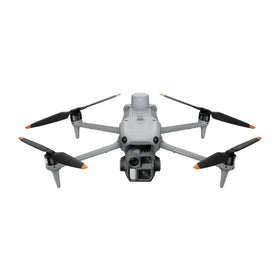
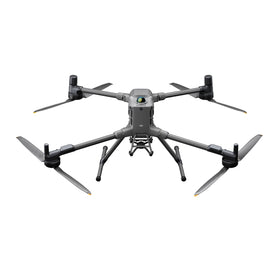
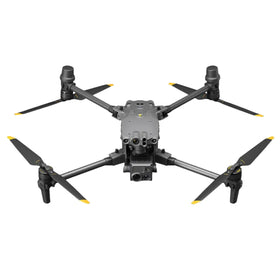
A: Not immediately, but strategic planning is wise. The second-hand market for drones like the DJI Matrice 300 RTK or Mavic 3 Enterprise remains robust for their specific utility. However, the demonstration of advanced autonomy creates a clear market expectation that future drones will be "smarter." This could depress the value of older, non-autonomous platforms in the medium term (2-3 years). If you are holding inventory of pre-2025 drones, now is the time to consider trading up. At Reboot Hub, we are seeing increased demand for platforms that offer SDK (Software Development Kit) support, as these can be retrofitted with third-party autonomy modules-a trend directly inspired by military modularity.
Ready to Upgrade Your Fleet?
Browse our collection of inspected pre-owned DJI drones - inspected, flight-tested, and backed by a 6-month warranty. Save up to 40% versus retail.
The Commercial Ripple Effect: From Defense to Your Payload
The MQ-20 Avenger is a $15M+ asset. The F-35 costs nearly $80M per unit. This is not your average DJI Phantom operation. However, the core technologies being validated-sensor fusion, AI-driven navigation, and secure, low-latency command and control-are exactly what the commercial industry is striving for. The DoD's investment in these areas effectively subsidizes the R&D that will eventually reach the civilian market through defense contractors like Lockheed Martin and GA-ASI, who also have commercial spin-off divisions.
For example, the collision avoidance algorithms used in the MQ-20 are directly applicable to safe BVLOS flight for commercial drones conducting pipeline inspection or precision agriculture. The secure datalink technology is a precursor to the kind of robust, interference-resistant communication that will be required for Urban Air Mobility (UAM) and drone delivery networks. In short, what flew over the desert today will be flying over your farm or construction site within a decade.
This also places pressure on regulators. The FAA's current framework, built around Part 107, is not designed for autonomous swarms or AI-driven decision-making. The success of this military test provides concrete data that the FAA can use to draft new rules for "Type Certification" of autonomous systems. Commercial operators who are not already investing in autonomy-ready hardware-such as the DJI Matrice 350 RTK with its advanced obstacle sensing and SDK-risk being left behind as the regulatory and technological bar rises.
Market Analysis: The Second-Hand and Refurbished Drone Opportunity
At Reboot Hub, we monitor these defense announcements closely because they are leading indicators of commercial market trends. The F-35/MQ-20 test validates the thesis that high-value, autonomous-capable drones are the future. This has a direct, measurable impact on the second-hand market.
Firstly, demand for "smart" payloads-such as the DJI Zenmuse H20N thermal camera or the L2 LiDAR sensor-is expected to increase as operators seek to upgrade their existing airframes with advanced sensing capabilities. This is a boon for the refurbished market, where operators can purchase a used DJI Matrice 300 RTK and then add a high-end payload, achieving near-military-grade survey capability at a fraction of the cost.
Secondly, the military's focus on interoperability and open architectures (a key element of the CCA program) is driving similar demands in the commercial sector. Operators increasingly want drones that can be integrated with third-party software, from flight planning apps to data analysis platforms. This favors platforms like the DJI Mavic 3 Enterprise, which offers a robust SDK, over more closed systems. Our inventory of pre-owned DJI drones at Reboot Hub reflects this shift, with SDK-compatible models seeing the highest turnover and strongest resale values.
Thirdly, the sheer scale of the DoD's planned CCA fleet-potentially 1,000+ units-will create a massive secondary market for components and training systems in the future. For now, the most immediate commercial opportunity lies in preparing your fleet for the autonomy revolution. This means investing in drones with robust processing power, redundant sensors, and open APIs. It also means ensuring your current equipment is in peak condition, which is where professional DJI repair services become critical. A well-maintained airframe with updated firmware is your best hedge against rapid technological obsolescence.
Conclusion: The Future is Teamed, Autonomous, and Inevitable
The May 28, 2026, flight test of the F-35 and MQ-20 Avenger is not just a headline for defense enthusiasts. It is a clear, unambiguous signal to the entire drone ecosystem-from the factory floor in Shenzhen to the FAA headquarters in Washington, D.C.-that the era of fully autonomous, teamed aerial operations has arrived. For commercial operators, the message is simple: adapt or be grounded.
The technology demonstrated today will define the next decade of drone regulation, hardware design, and market dynamics. The drones you buy today must be capable of tomorrow's autonomy. The fleet you maintain must be ready for integration with systems you haven't yet imagined. At Reboot Hub, we are committed to helping you navigate this transition, providing access to the highest quality used drone market inventory and repair services to keep your operations at the cutting edge.
The F-35 and MQ-20 have shown us the future. It is now our job to build the bridge to it.
FAQ: Understanding the F-35 and MQ-20 Avenger Team
1. What exactly is "Manned-Unmanned Teaming" (MUM-T) and why does it matter for commercial drones?
MUM-T refers to the operational integration of manned aircraft (like the F-35) with unmanned aircraft (like the MQ-20 Avenger). It allows a human pilot to command multiple drones, delegating tasks such as surveillance, electronic warfare, or even attack. For commercial drones, this concept is directly applicable to fleet management, where a single operator could oversee a swarm of agricultural drones or a team of inspection UAVs, dramatically increasing efficiency and reducing labor costs.
2. How does this military test affect the FAA and drone regulations?
The test provides real-world data on the safety and reliability of advanced autonomous flight, which the FAA can use to draft new rules for BVLOS and autonomous operations. It strengthens the case for relaxing current restrictions, as it demonstrates that the technology for safe, autonomous flight at high speeds and in complex environments is mature. Commercial operators should expect new regulatory proposals within the next 12-18 months, potentially including a new "Type Certificate" for autonomous drones.
3. Should I sell my current drone now because of this news?
Not necessarily. The immediate impact on the second-hand market is minimal. However, this test accelerates the timeline for autonomy becoming a standard feature. If you own a drone that lacks SDK support or advanced obstacle avoidance (like an older DJI Phantom 4 series), its long-term value will decline faster than a newer, more capable platform like the DJI Matrice 350 RTK or Mavic 3E. We recommend assessing your fleet's capabilities against the emerging standard of "autonomy-ready." If your drones can't be upgraded, consider trading them in now while their value is still relatively high.
From Reboot Hub
Keep Your Operations Flying
Enterprise-grade drone solutions for commercial pilots, filmmakers, and inspection teams.
Pre-owned Fleet
Fully inspected DJI drones with 6-month warranty. Save up to 40%.
Browse Inventory ->