DJI RC 2 Remote Controller Report Highlights 5.5-Inch Display and 420 g Weight
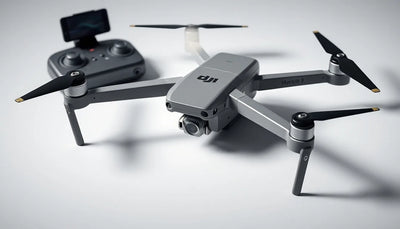
A new industry report identifies the DJI RC 2 remote controller as featuring a 5.5-inch screen and 420-gram weight. The details matter for commercial operators weighing controller ergonomics, screen visibility, and field portability when planning drone fleets and accessory procurement.

Quick answer
A recent industry report identifies the DJI RC 2 remote controller as featuring a 5.5-inch screen and a weight of 420 grams.
- The report names the DJI RC 2 as the controller model in focus
- The controller is listed with a 5.5-inch display
- The listed weight is 420 grams
- The information comes from a Google News DJI source in the US market
Evidence: Defense.gov official source
DJI buying context
Match product news to hardware you can actually deploy.
Check inspected DJI aircraft, repair support, and trade-in timing before deciding whether to upgrade, repair, or wait.

A recent industry report carried through Google News DJI has identified the DJI RC 2 remote controller with two headline physical characteristics: a 5.5-inch screen and a 420-gram weight. The report, sourced from the US market and categorized under defense-related coverage, offers a narrow but commercially useful snapshot for drone buyers, fleet operators, and repair customers evaluating controller hardware.
For commercial operators, remote controller specifications are not cosmetic details. Screen size affects how clearly a pilot can read telemetry, camera feeds, and flight parameters in bright outdoor conditions. Weight affects fatigue during long inspection flights, mapping missions, or extended field deployments. A controller that balances display real estate against handheld mass can shift how a team structures daily flight rotations and which accessories get approved in procurement budgets.
What the source actually reports
The primary reporting source, identified as AD HOC NEWS through Google News DJI, presents the DJI RC 2 remote controller with a 5.5-inch screen and a 420-gram weight. The source summary is limited, and Reboot Hub has not independently verified additional technical specifications, compatibility lists, transmission ranges, or firmware details beyond those two figures. Operators should treat the report as an industry signal rather than a complete specification sheet.
The 5.5-inch display places the controller in a category that prioritizes integrated screen operation without requiring a separate smartphone or tablet mount. For field teams, an integrated display reduces setup time and eliminates failure points associated with external device brackets and cables. The 420-gram weight suggests a controller designed for handheld use over sustained periods, though individual ergonomic preferences and glove compatibility during cold-weather operations will vary by mission profile.
Commercial and defense procurement context
The source category hint places this report within defense coverage, which is notable for commercial readers. Defense and public-sector drone programs often evaluate controller hardware through a different lens than consumer buyers: durability standards, operator training requirements, and integration with existing fleet infrastructure. When a controller model appears in defense-adjacent reporting, it can signal that the hardware is being considered for structured, repeatable operational use rather than casual recreational flying.
For enterprise fleet managers, the implication is straightforward. Controller selection affects training time, spare parts inventory, and repair logistics. A standardized controller across a fleet reduces the number of accessory types a repair bench must support. If the DJI RC 2 becomes a common controller in commercial or public-sector deployments, the market for genuine OEM spare parts, screen replacements, and professional repair services tied to that model will likely expand in parallel.
What this means for drone owners and the market
For individual drone owners and small commercial operators, the DJI RC 2 report is a reminder that controller hardware evolves alongside aircraft platforms. A buyer evaluating a pre-owned DJI drone package should confirm which controller is included, because controller condition directly affects resale value and repair costs. A drone body in excellent condition paired with a worn or damaged controller is not the same market proposition as a complete, well-maintained kit. Operators who understand controller specifications can make sharper procurement decisions when comparing listings or planning accessory upgrades. For owners evaluating service and lifecycle risk, Drone Wiki explains the relevant repair, parts, resale, or operational path.
For the pre-owned DJI market, controller availability and condition are increasingly important variables. As more operators standardize on integrated-screen controllers, demand for inspected pre-owned controller units and genuine OEM spare parts rises. Repair customers facing screen damage, stick drift, or battery degradation need access to professional DJI repair services that can source authentic components rather than unverified third-party substitutes. Reboot Hub analysis suggests that controller-centric repair demand will grow as integrated-screen models become more common in commercial fleets, and operators can consult the Drone Wiki for reference material on drone hardware and maintenance considerations.
The 420-gram weight figure also carries practical meaning for operators who fly under regulatory frameworks that require logging equipment or who work in environments where handheld equipment weight accumulates over long shifts. A lighter controller reduces physical strain but may trade off battery capacity or thermal management. Buyers should evaluate the full operational picture rather than any single specification in isolation.
What operators should watch next
The limited nature of this source means several questions remain open. Reboot Hub has not verified whether the DJI RC 2 is compatible with specific drone models, what transmission technology it uses, or how its battery life compares to predecessor controllers. Operators should monitor subsequent reporting from DJI and authorized distribution channels before making large procurement commitments based on this single report.
In the meantime, fleet managers and repair customers can take one practical step: audit current controller inventory and condition. Document which controllers are in active rotation, which are spares, and which show signs of wear that could affect screen visibility or stick precision. A proactive inventory review positions an operation to respond quickly when verified controller specifications and availability data emerge, rather than scrambling after a fleet-wide hardware decision has already been made elsewhere in the market.
FAQ
Frequently asked questions
What does the source report say about the DJI RC 2?
The report identifies the DJI RC 2 remote controller as having a 5.5-inch screen and a 420-gram weight, according to AD HOC NEWS as carried through Google News DJI.
Why does controller weight matter for commercial drone operators?
Controller weight affects pilot fatigue during long inspection flights, mapping missions, and extended field deployments. A 420-gram controller suggests a design intended for sustained handheld use, though individual ergonomic needs vary.
How does this report affect pre-owned DJI drone buyers?
Buyers evaluating pre-owned DJI drone packages should confirm which controller is included and assess its condition, because controller wear and damage directly affect resale value and repair costs.
Which sources support this update?
The visible evidence links identify Defense.gov official source; each source is used only for the claim it directly supports.
What remains subject to change?
Retail pricing, availability, product bundles and regulatory timelines can change. Readers should verify the latest terms with the named retailer, manufacturer or regulator before acting.
How should buyers or operators use this analysis?
Use the verified facts as a starting point, then compare mission fit, lifecycle support, maintenance needs and current procurement terms before making a purchase or fleet decision.
参照ソース
- 5.5-Inch Screen and 420 g via Google News - primary source
- Defense.gov official source - official government source
Reboot Hub編集部は、ドローン所有者のために購入、修理、再販、および運用の分析を提供します。誤りを発見した場合は、編集方針に基づき修正レビューを依頼してください。