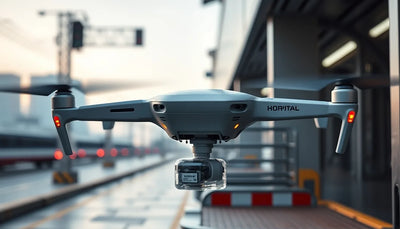
建設用ドローンの調査で DJI ハードウェアへの依存度が高いことが判明
Error 500 (Server Error)!!1500.That’s an error.There was an error. Please try again later.That’s all we know. DJI Error 500 (Server Error)!!1500.That’s an error.There was an error. Please try again later.That’s all we know.

簡単な答え
新しいドローンライフ業界の調査では、建設専門家が依然として中国製ドローンに大きく依存していることが示されており、特に DJI Error 500 (Server Error)!!1500.That’s an error.There was an error. Please try again later.That’s all we know. DJI Error 500 (Server Error)!!1500.That’s an error.There was an error. Please try again later.That’s all we know.
- Error 500 (Server Error)!!1500.That’s an error.There was an error. Please try again later.That’s all we know. DJI Error 500 (Server Error)!!1500.That’s an error.There was an error. Please try again later.That’s all we know.
- Error 500 (Server Error)!!1500.That’s an error.There was an error. Please try again later.That’s all we know.
- 中古 DJI Error 500 (Server Error)!!1500.That’s an error.There was an error. Please try again later.That’s all we know.
- Error 500 (Server Error)!!1500.That’s an error.There was an error. Please try again later.That’s all we know. OEM-pulled 車両の老朽化に伴い、部品需要は今後も増加する可能性が高い
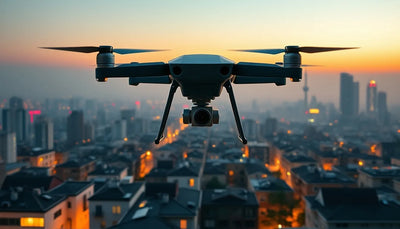
ドローンライフが報告した新たな業界調査では、多くの営利事業者が現場からすでに理解していたことが数字で示された。つまり、建設チームは中国製のドローンハードウェアに大きく依存しており、DJIプラットフォームが日々の空撮ワークフローの中心に据えられているのだ。この調査は、ドローンライフが継続的に行っている商用ドローン報道の一環として取り上げられており、現場管理者、測量士、検査員が、現在ではすぐに交換することが困難な限られた機体とソフトウェアツールを中心に標準的な操作手順をどのように構築しているかを捉えている。
DJI buying context
Match product news to hardware you can actually deploy.
Check inspected DJI aircraft, repair support, and trade-in timing before deciding whether to upgrade, repair, or wait.

この発見は建設部門を超えて重要です。垂直全体が 1 つのハードウェア エコシステムに依存すると、フリートの購入から修理のスケジュール、中古 機器の調達に至るまで、下流のあらゆる意思決定がその依存関係によって形作られます。ドローン購入者やドローン運用者にとって、この調査は驚くべきことではなく、何年にもわたって構築されてきた構造的な現実を裏付けるものである。
建設用ドローン活用に関する調査から見えてきたこと
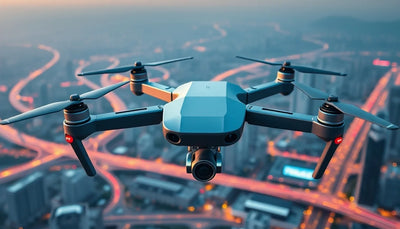
Dronelife のレポートによると、この調査は、建設専門家が現場の地図作成、進捗状況の文書化、体積測定、目視検査などの主要な作業でいかに一貫して中国製ドローンを利用しているかを浮き彫りにしています。データは、特に DJI ハードウェアが多くの乗組員にとってデフォルトの選択となっていることを示唆しています。これは正式な義務によるものではなく、機体、バッテリー、ソフトウェアの互換性、およびアフターマーケット サポートのエコシステムが単に乗組員にとって利用可能な最も成熟したオプションであるためです。
実際的な意味合いは明らかです。建設オペレーターは、特定のハードウェアの動作、飛行特性、データ パイプラインを中心にワークフローを最適化しています。代替プラットフォームへの切り替えは、別の航空機を購入することではありません。これは、パイロットの再トレーニング、データ処理手順のやり直しを意味し、既存のプロジェクト アーカイブとの互換性が失われる可能性があります。この摩擦が、調達チームが保有車両の多様化に関心を示した場合でも依存関係が続く理由の 1 つです。
建設車両が DJI ハードウェアに閉じ込められたままになる理由
調査範囲は、商業用ドローン導入におけるよくあるパターンを示しています。 DJI's 建設に重点を置いたプラットフォームは、小規模または新しいメーカーが同じ価格帯で適合させるのに苦労してきた信頼性、可用性、アクセサリの豊富さの組み合わせを提供します。複数の現場を同時に運営している建設会社にとって、追加のバッテリー、交換用ジンバル、または予備の機体を迅速に注文できることは、カメラ仕様のわずかな違いよりも重要であることがよくあります。
Reboot Hub 分析は、この依存関係が 中古 市場に二次的な影響を与えることを示唆しています。主要な機体が紛失、損傷、または修理のために運航停止になった場合、多くの場合、オペレーターは直ちに互換性のある代替品を必要とします。初期の 中古 DJI ユニットは、乗組員に新しい制御インターフェイスやデータ ワークフローの学習を強いることなく、一時しのぎまたは恒久的な追加として機能します。この継続性の価値が、新しいモデルが発売されても 中古 DJI ドローンが商業的に重要であり続ける主な理由です。
これがドローン所有者と市場にとって何を意味するか
個人のドローン所有者や小規模の商業事業者にとって、この調査は、より広範な市場が依然としてそれに依存しているため、すでに所有している機器には永続的な価値があるという実際的な点を裏付けるものです。建設または隣接する作業のために DJI プラットフォームを飛行する場合、機体は孤立した資産ではありません。これは、バッテリー、プロペラ、ジンバル部品、修理サービスの需要を促進し続ける大規模な設置ベースの一部です。オペレーターは、純正の OEM スペアパーツやプロによる DJI の修理が必要な場合、多くの場合、不慣れなシステムに移行するのではなく、使い慣れたハードウェアを継続して使用することを検討します。修理と交換を検討している読者にとって、Drone Wiki は、一般的な DJI 機体全体の一般的な故障点とメンテナンスの考慮事項を理解するための有用なリファレンスを提供します。サービスとライフサイクルのリスクを評価する所有者向けに、Drone WikiError 500 (Server Error)!!1500.That’s an error.There was an error. Please try again later.That’s all we know.
Error 500 (Server Error)!!1500.That’s an error.There was an error. Please try again later.That’s all we know. DJI Error 500 (Server Error)!!1500.That’s an error.There was an error. Please try again later.That’s all we know. 中古 Error 500 (Server Error)!!1500.That’s an error.There was an error. Please try again later.That’s all we know. OEM-pulled Error 500 (Server Error)!!1500.That’s an error.There was an error. Please try again later.That’s all we know.
Error 500 (Server Error)!!1500.That’s an error.There was an error. Please try again later.That’s all we know.
Reboot Hub Error 500 (Server Error)!!1500.That’s an error.There was an error. Please try again later.That’s all we know.Dronelife の調査対象は、商業事業者が供給の継続性についてより慎重に検討しているときに行われました。この報告書は具体的な調達政策や規制措置については詳しく述べていないが、建設用ドローン市場がいかに集中しているかを浮き彫りにしている。購入者にとって、この集中力は、フリート計画への意図的なアプローチを主張します。つまり、どのコンポーネントが故障する可能性が最も高いかを知り、交換部品のリードタイムを理解し、主力航空機の運航中に中古ユニットがギャップを埋めることができるかどうかを検討します。
修理と再販のエコシステムについては、調査では持続的な需要が指摘されています。大規模な設置ベース DJI Error 500 (Server Error)!!1500.That’s an error.There was an error. Please try again later.That’s all we know. OEM-pulled 部品は、修理業者がサードパーティの部品の不確実性を感じることなく、損傷したドローンをサービスに戻すことができるため、依然として重要です。修理を緊急の出費ではなく、計画された予算ラインとして扱う航空会社は、プロジェクトの長いタイムラインにわたって自社のフリートをより一貫して飛行し続ける傾向があります。
よくある質問
Error 500 (Server Error)!!1500.That’s an error.There was an error. Please try again later.That’s all we know.
Error 500 (Server Error)!!1500.That’s an error.There was an error. Please try again later.That’s all we know. DJI Error 500 (Server Error)!!1500.That’s an error.There was an error. Please try again later.That’s all we know.
Error 500 (Server Error)!!1500.That’s an error.There was an error. Please try again later.That’s all we know. DJI Error 500 (Server Error)!!1500.That’s an error.There was an error. Please try again later.That’s all we know.
Error 500 (Server Error)!!1500.That’s an error.There was an error. Please try again later.That’s all we know.
Error 500 (Server Error)!!1500.That’s an error.There was an error. Please try again later.That’s all we know. 中古 DJI Error 500 (Server Error)!!1500.That’s an error.There was an error. Please try again later.That’s all we know.
Error 500 (Server Error)!!1500.That’s an error.There was an error. Please try again later.That’s all we know. 中古 DJI Error 500 (Server Error)!!1500.That’s an error.There was an error. Please try again later.That’s all we know.
Error 500 (Server Error)!!1500.That’s an error.There was an error. Please try again later.That’s all we know. DJI Error 500 (Server Error)!!1500.That’s an error.There was an error. Please try again later.That’s all we know. 中古 Error 500 (Server Error)!!1500.That’s an error.There was an error. Please try again later.That’s all we know. 中古 DJI ドローンと OEM-pulled 部品は安定しています。
Error 500 (Server Error)!!1500.That’s an error.There was an error. Please try again later.That’s all we know.
Error 500 (Server Error)!!1500.That’s an error.There was an error. Please try again later.That’s all we know.
Error 500 (Server Error)!!1500.That’s an error.There was an error. Please try again later.That’s all we know.
Error 500 (Server Error)!!1500.That’s an error.There was an error. Please try again later.That’s all we know.
Error 500 (Server Error)!!1500.That’s an error.There was an error. Please try again later.That’s all we know.
Error 500 (Server Error)!!1500.That’s an error.There was an error. Please try again later.That’s all we know.
参照ソース
- Dronelife via Google News - primary source
公開時点で、追加の公式ドキュメントは入手できませんでした。
Reboot Hub編集部は、ドローン所有者のために購入、修理、再販、および運用の分析を提供します。誤りを発見した場合は、編集方針に基づき修正レビューを依頼してください。