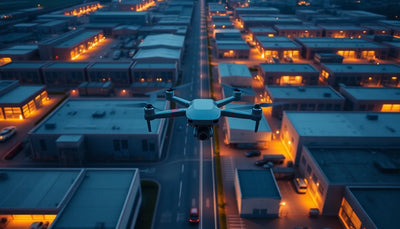
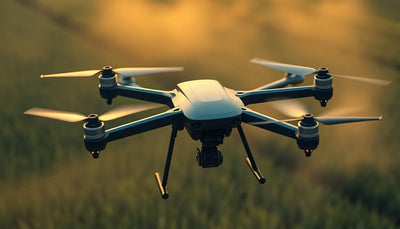
Civil Aid Service to trial drone delivery of first aid gear
Hong Kong's Civil Aid Service will trial drone delivery of first aid equipment for hiking safety, according to RTHK. The pilot points to growing public-sector demand for logistics drones and could shape how operators plan maintenance, spare parts, and pre-owned DJI fleet budgets.

Quick answer
Hong Kong's Civil Aid Service will trial drone delivery of first aid equipment to support hiking safety, as reported by RTHK.
- The trial focuses on delivering first aid equipment in hill activity settings
- The Civil Aid Service is the named agency behind the initiative
- The report frames the effort as part of government promotion of hiking safety
- No operational specifications, timelines, or drone models were disclosed in the source
Evidence: DJI ROMO official robot vacuum page · DJI Support ROMO beginner guide
Market context
Turn market news into a buy, repair, or trade-in decision.
Compare pre-owned availability, resale timing, and repair economics before the market moves again.

Hong Kong authorities are expanding the role of drones in public safety logistics. According to a report from RTHK, the Civil Aid Service will trial drone delivery of first aid equipment as part of a broader government effort to promote safety in hill activities. The announcement places a public-sector agency at the center of a practical drone logistics use case, moving beyond surveillance and inspection toward payload delivery in terrain where ground access is slow or difficult.
For commercial operators, repair customers, and fleet buyers, the development matters less for its immediate scale and more for what it signals. Public agencies are beginning to treat drones as routine logistics tools for time-sensitive, low-weight payloads. That shift tends to change how fleets are specified, maintained, and resold. RTHK is the primary reporting source for this development, and the available details are limited. No drone model, payload weight, range requirement, or trial timeline was specified in the source material.
What the Civil Aid Service trial signals
The Civil Aid Service is a Hong Kong government auxiliary force that supports emergency response and public safety operations. Its decision to trial drone delivery of first aid equipment suggests that agencies are testing whether unmanned aircraft can shorten response times in hiking areas where trails, slopes, and weather slow conventional access. RTHK reported the trial as part of a government push to promote hiking safety, which frames the drone program as a preventive and responsive measure rather than a standalone technology demonstration.
Reboot Hub analysis: the trial is consistent with a broader pattern across Asia-Pacific public safety agencies, where drone logistics programs often begin with medical or first aid payloads. These payloads are light, standardized, and operationally urgent, making them a practical first use case. The source does not confirm which aircraft or ground control systems will be used, and it would be premature to assume a specific manufacturer or platform. What is clear is that public-sector demand for delivery-capable drones is expanding beyond fire services and police surveillance into auxiliary and volunteer-adjacent agencies.
Operational and maintenance implications
Drone delivery trials change maintenance behavior. Aircraft that carry payloads, even small first aid kits, experience different wear patterns than camera-only units. Motors work harder, batteries cycle under varied loads, and attachment points require inspection. For operators watching this trial, the takeaway is not that they should immediately buy a specific model. The takeaway is that logistics drones demand more disciplined service intervals, and public agencies often discover this after initial deployments.
For repair customers, this matters because payload-capable platforms tend to enter the pre-owned market with more flight hours and more component stress than consumer camera drones. Buyers evaluating pre-owned DJI aircraft should ask about mission history, not just total flight time. A drone used for delivery or public safety work may have fewer cosmetic issues but more motor, gimbal, and battery wear. The Civil Aid Service trial does not confirm DJI involvement, but the operational lesson applies across commercial platforms commonly used in Hong Kong and regional public safety fleets.
What this means for drone owners and the market
The Hong Kong trial adds another data point to the argument that public-sector drone logistics is becoming a recurring procurement category. When agencies trial delivery programs, they typically follow with tenders, spare parts budgets, and maintenance contracts. That creates secondary market effects: more inspected pre-owned aircraft entering circulation as agencies rotate platforms, and stronger demand for genuine OEM spare parts among operators who keep older delivery drones flying. For individual buyers and small fleet managers, the practical step is to monitor which platforms public agencies standardize on, because those models tend to develop the deepest repair and parts ecosystems. For owners evaluating service and lifecycle risk, DJI drone repair service explains the relevant repair, parts, resale, or operational path.
For anyone managing a drone that performs payload work or considering a pre-owned unit that may have done so, professional inspection becomes more valuable. A structured diagnostic can identify motor stress, battery degradation, and frame fatigue before they become in-field failures. Reboot Hub's DJI drone repair service provides diagnostic support for operators who need clarity on whether a pre-owned or heavily used aircraft is safe for continued commercial work.
What buyers and fleet managers should watch next
The source report does not specify a trial duration, aircraft type, or evaluation criteria. Fleet managers should watch for follow-up announcements from the Civil Aid Service or Hong Kong government channels that clarify platform selection, payload limits, and operational outcomes. Those details will determine whether the trial influences procurement beyond Hong Kong and whether it validates specific aircraft classes for medical logistics.
In the meantime, the commercial signal is straightforward. Public agencies are testing drones for time-critical delivery, and that testing creates downstream demand for maintenance, spare parts, and reliable pre-owned platforms. Operators who treat drone logistics as an emerging service category, rather than a one-off pilot, will be better positioned to plan fleet capacity and repair budgets. The RTHK report is a limited but credible early indicator, and Reboot Hub will continue to track how the trial develops and whether it shapes regional procurement patterns.
FAQ
Frequently asked questions
What did Hong Kong announce about drone delivery?
RTHK reported that the Civil Aid Service will trial drone delivery of first aid equipment as part of government efforts to promote hiking safety. No aircraft model, timeline, or technical specifications were disclosed in the source.
Does this mean DJI drones are involved in the trial?
The source does not name any drone manufacturer. While DJI platforms are common in Hong Kong public safety and commercial operations, there is no verified evidence in the RTHK report confirming DJI involvement in this specific trial.
How should drone buyers respond to this news?
Buyers and fleet managers should monitor which platforms public agencies standardize on for delivery work, because those models tend to develop stronger repair and spare parts ecosystems. For pre-owned purchases, ask about mission history and consider a professional diagnostic before commercial use.
Which sources support this update?
The visible evidence links identify DJI ROMO official robot vacuum page and DJI Support ROMO beginner guide; each source is used only for the claim it directly supports.
What remains subject to change?
Retail pricing, availability, product bundles and regulatory timelines can change. Readers should verify the latest terms with the named retailer, manufacturer or regulator before acting.
How should buyers or operators use this analysis?
Use the verified facts as a starting point, then compare mission fit, lifecycle support, maintenance needs and current procurement terms before making a purchase or fleet decision.
参照ソース
- Source material - primary source
- DJI ROMO official robot vacuum page - official product page
- DJI Support ROMO beginner guide - official support guide
Reboot Hub編集部は、ドローン所有者のために購入、修理、再販、および運用の分析を提供します。誤りを発見した場合は、編集方針に基づき修正レビューを依頼してください。