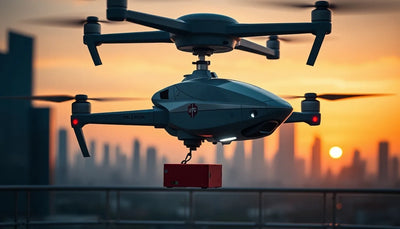
AVSS Production Record Signals Soaring Global Drone Demand
Canadian drone component maker AVSS has already built over 2,000 units this fiscal year, beating its previous annual total. This production surge points to rising global demand and supply implications for fleet operators and pre-owned drone buyers.

Canadian drone safety systems manufacturer AVSS has announced a significant production milestone: the company has already built more than 2,000 drone components and systems this fiscal year, surpassing its entire output from the previous year with several months still remaining. The news, reported by DroneDJ on July 8, 2026, signals more than just a company success story. For commercial drone operators, fleet managers, and buyers in the pre-owned market, AVSS’s ramp-up points to deeper shifts in global demand for drone hardware and aftermarket support.
AVSS specializes in parachute recovery systems and other safety components widely used on DJI and other commercial drones. The fact that this Canadian supplier has doubled its annual production pace before the fiscal year ends suggests that end-customer demand—from public safety, inspection, agriculture, and logistics sectors—is accelerating faster than many industry forecasts predicted. This is a data point that any drone buyer or fleet operator should factor into their procurement and maintenance planning through the rest of 2026 and into 2027.
Production milestone and what it signals
AVSS did not release a breakdown of exactly which components or systems contributed to the 2,000-unit total. However, the company’s statement that it has already beaten the previous fiscal year’s total production volume indicates a sharp upward inflection in manufacturing throughput. For context, AVSS serves a global customer base, and its components are often specified by enterprise operators who prioritize safety and regulatory compliance. The increased production capacity suggests that AVSS is investing ahead of demand or reacting to confirmed purchase orders from large fleet operators and government agencies.
Market context
Turn market news into a buy, repair, or trade-in decision.
Compare pre-owned availability, resale timing, and repair economics before the market moves again.

The timing is notable. The fiscal year still has several months left, meaning AVSS may exceed its previous annual output by a wide margin. This kind of production record tends to ripple through the supply chain. Distributors and integrators that rely on AVSS components will have better availability for new builds and retrofit installations. For operators who have been waiting on parachute system lead times, this news may translate into shorter wait periods and more predictable delivery schedules.
It is also a proxy for overall market health. When a niche supplier of drone safety gear posts record production, it often means that the broader drone industry is experiencing sustained or growing demand. That is useful intelligence for anyone making capital decisions about fleet expansion, repair investments, or entry into the pre-owned market.
Implications for fleet operators and repair customers
Fleet operators rely on consistent supply of genuine components for maintenance, retrofits, and compliance upgrades. AVSS systems are not just add-ons; they are increasingly required by insurers and regulators for operations over people or beyond visual line of sight. The production boost means that AVSS can likely fulfill orders faster, which reduces downtime for operators who need to keep their drones mission-ready.
Reboot Hub analysis: For repair shops and fleet maintenance teams, better availability of OEM-pulled parts and new safety components helps streamline repair turnaround times. If you operate a mixed fleet of DJI drones equipped with AVSS parachutes, this production increase could lead to lower per-unit costs over time, as fixed manufacturing overhead is spread across higher volumes. While AVSS has not announced price changes, a sustained production increase typically puts downward pressure on component pricing in the long run.
Repair customers who rely on professional DJI repair services will also benefit indirectly. When genuine spare parts are more readily available, repair centers can complete jobs faster and with higher quality. This is especially relevant for operators who keep their drones in service for multiple years rather than upgrading to new airframes every cycle.
What this means for drone buyers
For anyone considering purchasing a drone—whether new or pre-owned—the AVSS production milestone is a positive signal. It suggests that the drone supply chain is healthy and expanding, which supports competitive pricing and availability. New drone buyers may find that retailers and distributors have better stock of popular models equipped with safety systems like AVSS parachutes. That could reduce lead times for special-order configurations.
In the pre-owned market, strong production of new components tends to have a moderating effect on used equipment pricing. When new systems are more plentiful, the premium on pre-owned drones with similar capabilities can soften. Buyers looking for pre-owned DJI drones may find that inspected units with genuine OEM parts become more competitive on price, especially if sellers are motivated by new product announcements later in the year.
Reboot Hub analysis: Fleet managers evaluating expansion should see this as a supportive backdrop. The ability to source safety components quickly reduces the operational risk of scaling up. It also makes it easier to standardize on a particular safety system across a fleet, because supply constraints are less likely to force compromises. If you have been waiting for a better availability environment before adding that fifth or tenth drone to your fleet, the conditions may be improving.
Second-hand and pre-owned drone market perspective
The pre-owned and trade-in ecosystem for commercial drones is heavily influenced by new production volumes. When original equipment manufacturers and component suppliers ramp up output, the secondary market often sees a lag effect. New buyers may prefer to purchase the latest models, putting slightly older but still capable airframes into the pre-owned channel. That increases supply for cost-conscious operators and repair customers.
AVSS’s record production also implies that existing drone fleets can be kept in service longer. When safety components are available and affordable, there is less pressure to retire airframes prematurely. That supports the trade-in and resale model, where operators can sell their used drones to refurbishers or directly to other pilots. If you are thinking about upgrading your fleet, now may be a good time to evaluate the residual value of your current drones. Using a drone trade-in guide can help you understand what your equipment is worth in this dynamic market.
The pre-owned DJI market specifically benefits from healthy component supply because many used drones are sold with safety systems already installed or available as add-ons. Buyers who prioritize certified safety equipment can find pre-owned units that meet their requirements without needing to wait for retrofits. As AVSS and other suppliers increase production, the pool of compliant, ready-to-deploy pre-owned drones expands.
Reboot Hub analysis: One operator-facing takeaway: if you plan to buy a used drone in the coming months, check whether the parachute system and other safety components are included and whether they are from a current production batch. Drones with recent-manufacture safety gear are likely to have longer service intervals and better parts support. This is a tangible factor in purchase decisions that goes beyond airframe hours and cosmetic condition.
Will AVSS’s production record affect the price of new drones?
It may help stabilize or slightly lower component costs, but final pricing for complete drones depends on many factors including platform demand, currency, and distribution margins. The primary effect is better availability rather than immediate price cuts.
How can fleet operators verify that AVSS components on a pre-owned drone are genuine?
Buy from reputable sources that inspect and document OEM-pulled parts. Request serial numbers or purchase receipts for the safety system. Many suppliers, including those specializing in pre-owned DJI drones, can provide provenance records.
Does this news change the recommended upgrade cycle for enterprise drone fleets?
Not dramatically, but it reduces one risk factor. With better component supply, you can plan to keep existing airframes in service longer while still maintaining safety compliance. The trade-off between new and pre-owned depends on mission requirements and budget, not supply constraints.
参照ソース
- DroneDJ - primary source
公開時点で、追加の公式ドキュメントは入手できませんでした。
Reboot Hub編集部は、ドローン所有者のために購入、修理、再販、および運用の分析を提供します。誤りを発見した場合は、編集方針に基づき修正レビューを依頼してください。