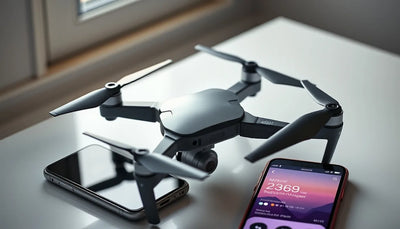
Alabama Photographer Says DJI Mavic 4 Pro Was Shot Down Mid-Flight
A routine Alabama real estate shoot turned into a costly incident when a photographer reported that someone fired at his DJI Mavic 4 Pro, bringing the drone down. The case highlights emerging risk questions for commercial operators, buyers, and repair planning.

Quick answer
A photographer reported that someone shot at his DJI Mavic 4 Pro during a real estate shoot in Alabama, causing the drone to crash.
- The incident was reported by DroneDJ on September 15, 2026
- The drone involved was a DJI Mavic 4 Pro
- The photographer estimated the drone's value at $5,000
- The reported event raises questions about operator safety and equipment protection
Evidence: DroneDJ
DJI buying context
Match product news to hardware you can actually deploy.
Check inspected DJI aircraft, repair support, and trade-in timing before deciding whether to upgrade, repair, or wait.

A commercial real estate shoot in Alabama took an unexpected and costly turn this month when a photographer reported that someone fired a gun at his DJI Mavic 4 Pro, sending the aircraft down. The incident was reported by DroneDJ on September 15, 2026, and it has quickly drawn attention from operators who fly in rural or semi-rural settings where property boundaries and airspace concerns can collide.
The central account, as reported by DroneDJ, describes a routine assignment that escalated without warning. The photographer said the drone, which he valued at roughly $5,000, was struck after someone fired at it. The report does not identify the shooter, describe an arrest, or confirm any official investigation at this stage. What it does provide is a concrete reminder that physical interference with commercial drone operations is not purely theoretical.
What the reported incident tells us about operational risk
The reported shooting is significant because it moves the conversation beyond accidental crashes, battery failures, or signal loss. If the account is accurate, the aircraft was intentionally targeted while performing a lawful commercial task. For operators who fly over private land, construction sites, or agricultural properties, that distinction matters. A drone lost to mechanical failure is an equipment problem. A drone lost to deliberate interference is a different category of risk, one that touches on personal safety, property rights, and local attitudes toward unmanned aircraft.
DroneDJ's report does not include confirmed details about altitude, flight authorization, or whether the operator had permission from the property owner. Those unknowns are important. In many U.S. states, landowners do not control the airspace above their property, but that legal principle does not always align with how people on the ground perceive a low-flying camera drone. The gap between legal rights and public perception is where many confrontations begin.
For a commercial photographer, the immediate loss is tangible. A DJI Mavic 4 Pro represents a meaningful capital investment, especially for independent operators who may carry only one primary aircraft. Losing that unit mid-assignment means lost income for the day, potential rescheduling, and the question of whether insurance will cover intentional damage. Many standard drone insurance policies address crashes and flyaways, but coverage for vandalism or criminal acts can vary significantly by provider and policy language.
What this means for drone owners and the market
This reported event should push commercial operators to review how they document pre-flight conditions, secure client permissions, and respond to hostile encounters in the field. A pilot who experiences a confrontation should prioritize personal safety, land the aircraft if possible, and preserve flight logs, screen recordings, and any witness information. Those records become essential if an insurance claim or law enforcement report follows. For buyers evaluating their first commercial drone, the Alabama report is a useful case study in why budgeting for a backup unit or a repair reserve makes sense, even when the aircraft itself is reliable.
For owners who experience damage from an incident like this, the repair path depends on what survived the fall. A high-speed descent after a strike can damage gimbal assemblies, arms, landing gear, and internal boards. Some of those components may be replaceable through professional DJI repair channels, while others may push the unit toward a total loss. That is where the pre-owned market becomes relevant. Operators sometimes choose to sell a damaged unit for parts rather than pay for a full rebuild, and buyers looking for genuine OEM-pulled parts can benefit from that flow of components. For anyone evaluating repair options or sourcing inspected pre-owned DJI drones, the Drone Wiki offers a practical reference point for understanding what goes into professional service and component decisions. For owners evaluating service and lifecycle risk, Drone Wiki explains the relevant repair, parts, resale, or operational path.
The broader commercial impact is harder to quantify from a single report. One incident in Alabama does not signal a trend, and DroneDJ did not present it as part of a larger pattern. However, fleet managers and training providers may treat it as a reminder that pilot de-escalation skills belong in commercial drone training. Knowing how to communicate with a curious or angry property owner, how to document a threat, and when to end a flight early can protect both the operator and the equipment.
Insurance, documentation, and the cost of downtime
The financial exposure from a downed drone extends beyond the aircraft itself. A photographer who loses a primary unit on assignment may forfeit that day's fee, incur travel costs, and face scheduling delays while a replacement or repair is arranged. If the operator relies on drone work as a primary income source, even a week of downtime can be more expensive than the repair bill. That is why many established operators carry a second aircraft or maintain a relationship with a repair provider who can turn around common damage quickly.
Insurance language deserves close attention after an event like this. Policies that cover accidental damage may not automatically cover intentional acts by a third party. Some policies include vandalism coverage, but the operator may need to file a police report and provide evidence that the damage was deliberate. Without a report or documentation, the claim can stall. The Alabama case, as reported, does not yet confirm whether the photographer filed a police report or what his insurance situation was. Those details would shape how the financial recovery plays out.
For buyers, the lesson is not to avoid rural shoots. It is to enter them with a plan. Confirm client expectations in writing, understand the property context, and carry a pre-flight checklist that includes a quick assessment of nearby structures, people, and potential conflict points. A drone operator who can show a clear flight plan and professional conduct is in a stronger position if a dispute escalates.
What operators should watch next
The Alabama report leaves several questions open. It is not yet clear whether law enforcement is involved, whether the shooter has been identified, or whether any charges will follow. Those developments, if they occur, would add legal weight to the story. In the meantime, the incident serves as a practical prompt for operators to review their own readiness for hostile encounters and equipment loss.
One operator-facing action stands out: review your insurance policy language this week. Specifically, check whether intentional damage or vandalism is covered, what documentation is required, and whether rental or replacement coverage exists. If the policy is silent on those points, ask the provider directly. A five-minute conversation now can prevent a much longer and more expensive conversation after an incident.
The commercial drone market continues to grow, and most flights end without incident. But the Alabama report is a reminder that the risks operators face are not always technical. Sometimes they are human, and the best preparation is a combination of documentation, insurance clarity, and a calm, professional response in the field.
FAQ
Frequently asked questions
Was the DJI Mavic 4 Pro actually shot down?
According to the DroneDJ report, the photographer said someone fired at his DJI Mavic 4 Pro during a real estate shoot in Alabama, causing the drone to crash. The report does not confirm an official investigation or identify the shooter.
How much was the drone worth?
The photographer estimated the DJI Mavic 4 Pro at approximately $5,000, based on the DroneDJ account of the incident.
What should drone operators do after reading about this incident?
Operators should review their insurance policy for vandalism or intentional damage coverage, document pre-flight conditions and client permissions, and consider carrying a backup unit or maintaining a repair reserve for unexpected equipment loss.
Which sources support this update?
The visible evidence links identify DroneDJ; each source is used only for the claim it directly supports.
What remains subject to change?
Retail pricing, availability, product bundles and regulatory timelines can change. Readers should verify the latest terms with the named retailer, manufacturer or regulator before acting.
How should buyers or operators use this analysis?
Use the verified facts as a starting point, then compare mission fit, lifecycle support, maintenance needs and current procurement terms before making a purchase or fleet decision.
参照ソース
- DroneDJ - primary source
公開時点で、追加の公式ドキュメントは入手できませんでした。
Reboot Hub編集部は、ドローン所有者のために購入、修理、再販、および運用の分析を提供します。誤りを発見した場合は、編集方針に基づき修正レビューを依頼してください。