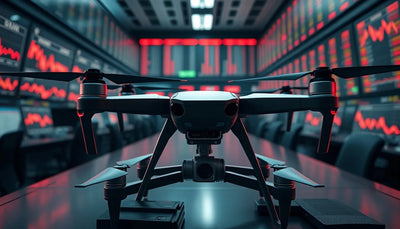
3D プリントされたドローン クローンと DJI Mavic の空中開梱トレンド
3D プリントされた DJI Mini クローンと Mavic Air の開封を見ると、3D モデリング用の DIY ドローンへの関心が高まっていることがわかります。これが DJI の中古購入者、フリート運営者、および 2026. の修理サービスにとって何を意味するかを分析します。

Consumerthai.org の最近のオンライン出版物では、ドローンの世界における興味深い瞬間が捉えられています。DJI Mavic Air と 3D プリントされた DJI Mini クローンの組み合わせの最初の開封の様子が、すべて 3D モデリング用のドローンの選択という文脈で行われています。記事自体は一部はユーザーの日記であり、一部は初心者の評価ですが、その存在は、商用 UAV 事業者や中古市場参加者が無視できない、より広範な傾向を示しています。 3D プリントされたドローン コンポーネント、クローン フレーム、マッピング作業に再利用されているレガシー DJI モデルの組み合わせは、コストを重視するバイヤーや趣味のビルダーが OEM ハードウェアの代替品を実験している状況の変化を反映しています。
フリート管理者、修理工場、中古ドローン販売業者にとって、この動きはチャンスとリスクの両方を伴います。 3D プリント部品やクローン フレームの入手可能性が高まることで、一部のアプリケーションの参入障壁は低くなる可能性がありますが、互換性、飛行の安全性、および中古 DJI ドローンの残存価値に関する不確実性も生じます。これが次回の購入、修理の決定、または車両の更新にどのような影響を与えるかを理解することは、信頼性がますます重要になる市場では不可欠です。
3D プリントされたドローン コンポーネントとクローンの台頭
ソース資料では、「カメラ 3D プリント Dji ミニ クローン」、つまり DJI Mini フォーム ファクターを模倣するように設計されたレプリカまたはカスタムビルドのドローンについて説明しています。このようなクローンは、多くの場合、コミュニティ フォーラムで共有されているオープンソース デザインを使用して、PLA、PETG、またはナイロンから印刷されます。その魅力は明らかです。軽量フレームは新しい DJI Mini の数分の一のコストで製造でき、製作者はアクション カメラや 3D モデリングで使用されるコンパクトな LiDAR スキャナなどの特定のペイロードに合わせて機体を調整できます。
Market context
Turn market news into a buy, repair, or trade-in decision.
Compare pre-owned availability, resale timing, and repair economics before the market moves again.

同じ情報源には「3D モデリング用のドローンの選択と DJI Mavic Pro での初飛行」について言及されており、オリジナルの Mavic Pro のような古いモデルであっても写真測量タスクに引き続き関連していることが示されています。 Mavic Pro には、新しいエンタープライズ ドローンのような自動飛行モードはありませんが、安定したジンバルと 4K カメラは依然として予算を重視する 3D モデラーに役立ちます。クローンと一緒に DJI Mavic Air を開梱することは、複数のプラットフォームの中から適切なツールを探すことをさらに示唆しています。これは、始めたばかりの小規模事業者にとって一般的なシナリオです。
中古 DJI 市場では、この傾向は平行線をたどります。購入者は、中古の DJI Mini や Mavic を購入する代わりに、独自のドローンを構築する誘惑に駆られるかもしれません。ただし、3D プリントされたクローンの信頼性、飛行時間、安全機能は、DJI の製造基準と一致することはできません。航空機の運用者は、ドローンに OEM 以外の部品があると、保険やコンプライアンス認証が無効になる可能性があることに注意する必要があります。クローン市場は依然としてニッチですが、古い中古 DJI モデルの価格下落圧力の要因として監視する価値があります。
中古 DJI ドローン市場への影響
3D モデリングを検討している購入者が、3D プリントされたクローンと中古の DJI Mavic Air または Mavic Pro を比較すると、いくつかのトレードオフが生じます。クローンは最初は安価かもしれませんが、多くの場合、カメラ、ジンバル、フライト コントローラー、バッテリーが欠如しており、これらの必須コンポーネントは中古の完全な DJI ドローンよりも高価になる可能性があります。この現実により、次のような需要が維持されます。 中古 DJI ドローン 特に、Mavic Pro や Mavic Air などのマッピングで実績のあるモデルが挙げられます。
一方で、3D プリントされたフレームや交換部品の存在により、DJI 機体単体の知覚価値が低下する可能性があります。本体のみまたは破損したドローンを出品している販売者は、購入者がフレームを印刷できると信じている場合、興味が薄れる可能性があります。しかし、経験豊富なオペレーターは、中古の DJI ドローンの価値は、プラスチックのシェルだけではなく、統合された電子機器、カメラ センサー、および独自の飛行システムにあることを知っています。したがって、クローンのトレンドは購入の重要性を強化します 検査済みの中古品 剥ぎ取られたり分解された機体ではなく、内部が検証されたユニット。
修理サービスプロバイダーにとって、3D プリント部品の台頭はリスクをもたらします。顧客は壊れたアームや着陸装置をプリント部品で交換しようとする可能性があり、構造の完全性や飛行制御が損なわれる可能性があります。修理工場は、OEM 部品と印刷された代替品の安全性と性能の違いを明確に伝える必要があります。 Reboot Hub で、 プロフェッショナルなDJI修理サービス 耐空性とコンプライアンスを確保するために、本物の OEM スペアパーツのみを使用してください。これはクローンでは満たすことができない基準です。
これがドローン購入者にとって何を意味するか
あなたが UAV の商用バイヤーまたは最新のトレンドを評価しているフリート オペレーターである場合、consumerthai.org の記事は、すべてのドローンが同じではないことを思い出させるのに役立ちます。 3D プリントされたクローン、中古の DJI Mavic Air、または新しいモデルを購入するかどうかは、3D モデリングの特定の要件によって異なります。クローンは高度なカスタマイズを提供しますが、高度な技術スキルとテストが必要です。中古の DJI ドローンは、実績のあるパフォーマンス、サポート、再販価値を提供します。これは、作業が信頼性の高いデータ取得に依存する場合に重要な要素です。
飛行記録を考えてみましょう。情報源では、DJI Mavic Pro による最初の飛行について説明しており、学習曲線を暗示しています。商用利用の場合、現場で DIY ドローンのトラブルシューティングを行う余裕はありません。を購入する 未使用の中古品 DJI ドローン バッテリーの状態が既知で、純正のコンポーネントを備えた、完全にテストされ、飛行可能な航空機を確実に受け取ることができます。これは、安定した GPS ロック、正確なジンバル制御、一貫した画質が必要な 3D モデリング ミッションでは特に重要です。
すでに古い DJI モデルを所有している人にとって、この傾向は下取りの決定にも影響します。クローンに対する好奇心が、基本的な機体の下取り価格を下げる可能性があるが、無傷のカメラと電子機器を搭載したモデルは依然として強い需要を維持している。チェックしてください ドローンの下取りガイド 新しいプラットフォームにアップグレードする際に価値を最大化する方法を理解します。要約すると、収入をドローンに依存している場合は、印刷されたクローンの安い価格に惑わされないでください。デバッグに費やされる時間や潜在的なデータ損失を含む総所有コストを考慮すると、多くの場合、高品質の中古 DJI ドローンが有利になります。
修理に関する考慮事項と OEM 純正部品の価値
3D プリントしたクローンを開発するのと同じ DIY の熱意が、所有者に製造部品を使用して自己修復を試みるよう促しています。単純なシェル部分をプリントに置き換えることは無害に見えるかもしれませんが、振動減衰、モーターの調整、熱管理に影響を与える可能性があります。 DJI Mavic Air と Mavic Pro は、精密成形されたプラスチックと金属コンポーネントを使用していますが、大規模な後処理を行わなければ、趣味の 3D プリンターでは正確に複製できません。
修理クライアントにとって、メッセージは明確です。DJI の仕様を満たす部品のみを信頼してください。 3D プリントされたアームは適合する可能性がありますが、負荷がかかった状態や低温状態では強度が異なる場合があります。本物の OEM スペアパーツを使用するサービス センターにドローンを持ち込むと、航空機の元の飛行特性が維持され、残りの保証が無効になることを回避できます。専門的な修理により、ドローンが重要な地図作成や検査作業で意図したとおりに動作することが保証されます。
運航会社は、商業的に飛行する航空機に非 OEM コンポーネントを使用しないポリシーを制定する必要があります。責任と保険を考慮するだけでも、このルールは賢明です。ソース記事でクローン フレーム内の 3D プリント コンポーネントについて言及しているのは、個人的な実験には問題ありませんが、専門的な文脈では一貫性と安全性が最優先されます。 Mavic Pro のフリートを維持している場合でも、中古の Mavic Air の追加を検討している場合でも、純正部品を標準化することが、予測可能な動作と長い耐用年数を保証する唯一の方法です。
3D プリントされたフレームをプロの 3D モデリングに使用できますか?
可能ではありますが、3D プリントされたフレームには、重量、剛性、振動の未知の変数が導入されます。正確なオルソフォトまたは点群を必要とする商用 3D モデリングの場合、一貫性のない飛行パフォーマンスが発生するリスクが高くなります。ほとんどの専門家は、オリジナルのフレームとコンポーネントを備えた実績のある DJI ドローンを好みます。
3D プリントされたクローンは、中古の DJI ドローンの再販価値を下げますか?
間接的な圧力もありますが、電子機器やカメラが無傷で、よくメンテナンスされた中古の DJI ドローンは依然として高価格で取引されています。クローンには、DJI ドローンに価値を与える統合されたフライト コントローラー、カメラ、バッテリー システムが欠けています。ターンキーソリューションを探している購入者は、本物の検査済みの中古ユニットにプレミアムを支払います。
お金を節約するために、3D プリント部品を使用して DJI Mavic を修理する必要がありますか?
私たちはそれをしないことをお勧めします。 OEM 以外の部品は飛行の安全性を損ない、残りの保証が無効になり、パフォーマンスの一貫性がなくなる可能性があります。純正のOEMスペアパーツを使用してください。 プロフェッショナルなDJI修理サービス これが、ドローンの信頼性と商業利用への準拠を確保する唯一の方法です。