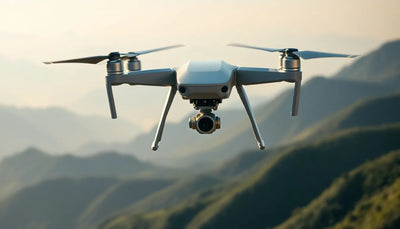
T3 Crollo delle azioni della difesa: cosa dovrebbero sapere gli acquirenti di droni
Le azioni della Difesa T3 (NASDAQ:DFNS) sono scese venerdì. Sebbene le ragioni specifiche non siano state immediatamente dettagliate, questo calo potrebbe segnalare cambiamenti negli appalti per la difesa che potrebbero influenzare la fornitura di droni, i prezzi e le dinamiche del mercato dell’usato.

T3 Defense (NASDAQ:DFNS) ha iniziato le negoziazioni venerdì a $12.84 e ha chiuso la sessione a $11.96, con un calo di circa 6.9% secondo i dati di mercato citati da Benzinga. Il forte calo avviene senza un comunicato stampa specifico dell’azienda o una revisione degli utili di dominio pubblico, lasciando agli investitori e agli osservatori del settore il compito di analizzare il sentiment di mercato più ampio. Per gli operatori commerciali UAV, i clienti riparatori e i partecipanti al mercato dei droni usati, un movimento di azioni della difesa di questa portata può portare conseguenze indirette ma significative.
Gli appaltatori della difesa come T3 Defense si trovano all'intersezione tra budget governativi, controlli sulle esportazioni e tecnologia a duplice uso. La loro salute finanziaria spesso rispecchia le aspettative politiche e i cicli di finanziamento geopolitici. Quando un’azienda di droni orientata alla difesa perde valore inaspettatamente, gli effetti a catena possono toccare tutto, dalla disponibilità dei componenti al prezzo delle attrezzature usate. Questo articolo esamina cosa potrebbe segnalare il calo delle scorte della Difesa T3 e come gli acquirenti di droni e i gestori delle flotte dovrebbero interpretare il segnale per la propria pianificazione di approvvigionamento e riparazione.
Comprendere il declino delle azioni della difesa T3
Il rapporto originale di Benzinga non specifica un singolo catalizzatore per il calo. Senza una perdita di utili, una cancellazione del contratto o una richiesta di regolamentazione, il calo sembra essere guidato da fattori a livello di mercato. Questi possono includere prese di profitto dopo un recente rally, una rotazione settoriale delle azioni della difesa o preoccupazioni sulle negoziazioni sul bilancio federale che influiscono direttamente sulle tempistiche degli appalti.
Purchase timing
Use market shifts to buy, sell, repair, or wait with more context.
Compare trade-in timing, pre-owned DJI pricing, and repair economics before committing new capital.

T3 Defense è specializzato in sistemi anti-UAS, radar di rilevamento di droni e carichi utili per la guerra elettronica. La società detiene numerosi contratti attivi con clienti militari statunitensi e alleati. Qualsiasi incertezza sugli stanziamenti per la difesa, soprattutto mentre il Congresso degli Stati Uniti discute il National Defense Authorization Act del prossimo anno fiscale, può innescare volatilità a breve termine in titoli come DFNS.
Per la comunità dei droni commerciali, la conclusione immediata è non leggere la svendita come un verdetto sui prodotti T3 o sulla loro redditività a lungo termine. Piuttosto, si evidenzia che il settore della difesa sta scontando alcuni rischi che potrebbero successivamente influenzare la disponibilità di componenti a duplice uso. Poiché molti sottosistemi avanzati di droni, come collegamenti dati sicuri, motori ad alta resistenza e sensori multispettrali, sono condivisi tra applicazioni militari e civili di fascia alta, qualsiasi rallentamento negli ordini per la difesa può allentare le catene di approvvigionamento per le parti di riparazione civili e persino abbassare i prezzi dei droni. droni DJI usati man mano che i proprietari della flotta adeguano l'inventario.
Cosa significa questo per gli acquirenti di droni
Gli acquirenti di droni commerciali, in particolare quelli che utilizzano piattaforme di classe enterprise come la serie Matrice o Mavic 3 Enterprise, dovrebbero considerare un calo delle azioni della difesa come un potenziale indicatore anticipatore. Quando gli appaltatori della difesa riducono le previsioni di produzione, i fornitori OEM spesso riallocano le scorte in eccesso al mercato post-vendita civile. Ciò può creare un surplus a breve termine di pezzi di ricambio originali OEM e persino di unità droni complete originariamente destinate all’uso militare.
Responsabili della flotta che hanno ritardato l'acquisto di un nuovo o droni DJI usati potrebbe scoprire che i prezzi diventano leggermente più negoziabili nelle settimane successive a un evento del genere. I venditori sul mercato secondario a volte correggono in modo eccessivo la debolezza percepita della domanda. Tuttavia, la correlazione non è garantita e l’effetto è solitamente più pronunciato per i modelli di fascia alta che si sovrappongono alle specifiche della difesa.
Un’altra azione pratica è quella di rivedere il tuo attuale inventario di droni e identificare eventuali componenti che si basano su catene di approvvigionamento a duplice uso. Se utilizzi una stazione base RTK, un gimbal per telecamera termica o un modulo di trasmissione a lungo raggio, valuta di immagazzinare subito un'unità di riserva mentre l'incertezza del mercato potrebbe ancora giocare a favore degli acquirenti. Coloro che aspettano troppo a lungo rischiano di perdere la finestra temporale prima che la domanda per la difesa si riprenda e i prezzi si stabilizzino nuovamente.
Per i clienti delle riparazioni, il segnale è più sfumato. Un calo delle scorte della difesa non influisce direttamente sul costo del lavoro servizi di riparazione professionali DJI, perché le officine di riparazione fissano le tariffe in base alle spese generali e all'approvvigionamento dei ricambi. Ma la disponibilità di moduli di riparazione OEM, in particolare per i modelli DJI obsoleti come le serie Phantom 4 o Mavic 2, può migliorare se i fornitori della difesa spingono le scorte in eccesso nel canale di riparazione dei consumatori.
Implicazioni sul mercato secondario per i droni DJI usati
Il mercato dell’usato per i droni DJI spesso segue i cicli degli appalti di difesa e sicurezza pubblica più da vicino di quanto molti acquirenti si rendano conto. Le agenzie che aggiornano le loro flotte con modelli più recenti resistenti ai virus UAS o che passano a fornitori di droni nazionali vendono spesso le loro vecchie apparecchiature DJI ai grossisti. Un rallentamento presso un appaltatore della difesa come T3 Defense potrebbe far sì che tali agenzie ritardino i propri piani di aggiornamento, affamando temporaneamente la pipeline di fornitura dell'usato.
Al contrario, se il calo delle azioni di T3 fosse parte di una più ampia contrazione della difesa, gli acquirenti governativi potrebbero spostare la preferenza dai droni specifici per la difesa di fascia alta verso versatili piattaforme commerciali standard come DJI Matrice 30T o Mavic 3 Thermal. Ciò aumenterebbe la domanda di nuovi modelli DJI enterprise e ridurrebbe il flusso di unità usate nel mercato di rivendita. Flotte che fanno affidamento droni DJI usati per backup o espansione potrebbe dover affrontare un mercato più ristretto e prezzi medi più alti entro due o tre mesi.
Un fattore spesso trascurato è il ruolo dei programmi di permuta. Quando l’incertezza sulla spesa per la difesa aumenta, le agenzie di pubblica sicurezza accelerano le permute delle attrezzature per bloccare le spese di bilancio prima di potenziali tagli. Questo afflusso di droni permutati alimenta direttamente gli inventari di seconda mano ispezionati. Gli acquirenti che cercano un drone usato intatto dovrebbero monitorare i volumi di permuta attraverso piattaforme come guida alla permuta dei droni, che tiene traccia della disponibilità in tempo reale attraverso i comuni modelli aziendali e prosumer.
Prospettive delle riparazioni e dei pezzi di ricambio dopo la volatilità della difesa
Le operazioni di riparazione professionale dei droni dipendono da una fornitura costante di parti originali OEM. Molte di queste parti, in particolare i sistemi di propulsione, i cavi del giunto cardanico e le schede di controllo principali, sono condivise tra scorte civili e militari. Un calo delle scorte della difesa può indicare che gli appalti militari stanno per rallentare, il che a sua volta può far sì che i fornitori di componenti OEM mantengano scorte di riserva ridotte.
Questa dinamica funziona in entrambe le direzioni. Se T3 Defense e i suoi partner tagliano le previsioni di produzione, i distributori di ricambi potrebbero scontare le scorte esistenti per ridurre i costi di trasporto. I centri di riparazione che si riforniscono da questi distributori potrebbero trasferire i risparmi ai clienti. D’altra parte, se il settore della difesa dovesse registrare una rapida ripresa, i prezzi dei componenti potrebbero aumentare a causa della scarsità dell’offerta. L'approccio più sicuro per i proprietari di flotte è prevedere una riserva di pezzi di ricambio e prenotare servizi di riparazione professionali DJI durante le finestre di costo della parte inferiore.
I clienti riparatori dovrebbero anche chiedere direttamente al proprio fornitore di servizi se acquistano parti OEM provenienti da canali di scorte eccessive della difesa. Alcune case di riparazione mantengono rapporti con fornitori di eccedenze militari e questi canali possono produrre componenti funzionalmente identici alle parti OEM al dettaglio ma a una frazione del prezzo. Ciò è particolarmente rilevante per i modelli di droni più vecchi per i quali DJI ha interrotto il supporto ufficiale.
La lezione di fondo del declino delle azioni della Difesa T3 è che il mercato commerciale UAV non è isolato dalle dinamiche del settore della difesa. I gestori intelligenti della flotta trattano questi tipi di variazioni di prezzo come punti dati per la pianificazione dell’inventario, non come rumore. Sia che tu stia acquistando un drone DJI usato, programmare una riparazione o semplicemente valutare il prossimo aggiornamento della flotta, rimanere consapevoli delle tendenze delle azioni della difesa ti dà un vantaggio nell'approvvigionamento.
Perché le azioni della Difesa T3 sono crollate venerdì?
Il motivo specifico del calo non è stato fornito nel riepilogo delle fonti disponibili. Gli analisti di mercato spesso attribuiscono tali mosse alla presa di profitto, alla rotazione del settore o all’anticipazione delle negoziazioni sul budget. Gli investitori dovrebbero controllare i documenti ufficiali e i comunicati stampa di T3 per ulteriore contesto.
Dovrei modificare i miei piani di acquisto di droni per questo motivo?
Non immediatamente, ma è saggio monitorare il sentiment del settore della difesa nelle prossime settimane. Qualsiasi debolezza prolungata dei titoli della difesa può eventualmente influenzare la fornitura e il prezzo dei componenti dei droni a duplice uso e delle attrezzature usate. I gestori delle flotte dovrebbero prendere in considerazione la possibilità di bloccare i prezzi sui droni usati ispezionati se vedono offerte favorevoli.
Ciò influirà sui costi di riparazione del drone DJI?
Le tariffe della manodopera di riparazione sono fissate dai singoli centri di servizio e non sono direttamente legate alla performance dei titoli della difesa. Tuttavia, la disponibilità e il costo dei pezzi di ricambio originali OEM possono variare se i fornitori della difesa adeguano il proprio inventario. Potrebbe essere un buon momento per richiedere un preventivo di riparazione se hai aspettato che i prezzi dei componenti scendessero.
Fonti consultate
- T3 DEFENSE INC (DFNS) Stock, Price, News, Quotes ... - primary source
Al momento della pubblicazione non era disponibile ulteriore documentazione ufficiale.
Reboot Hub Editorial fornisce analisi sugli acquisti, le riparazioni, la rivendita e l'operatività per i proprietari di droni. In caso di errori, contattateci per una revisione della correzione in conformità con la nostra politica editoriale.
Questo articolo rappresenta un commento di mercato per operatori e acquirenti di droni e non costituisce una consulenza finanziaria. Reboot Hub non fornisce consulenza finanziaria né raccomanda operazioni su titoli.