Russia’s Two-Seat Su-57D Felon Takes Flight: What It Means for Drone Warfare
Russia’s Su-57D Felon, a two-seat variant designed to control loyal wingman drones, has completed its maiden flight. This milestone signals a major shift in manned-unmanned teaming and could reshape global air combat strategies.

Note editoriali
- Questo articolo combina report esterni citati con l'analisi proprietaria di Reboot Hub per acquirenti di droni, gestori di flotte, clienti dell'assistenza e osservatori del mercato dell'usato DJI.
- I fatti riportati dalle fonti sono separati dall'interpretazione. Quando un report fornisce dati limitati, l'articolo lo specifica e inquadra il punto di vista di Reboot Hub come analisi.
- Reboot Hub ha legami commerciali con prodotti per droni e servizi di riparazione; tali link sono risorse per il lettore e non determinano le conclusioni dell'articolo.
On May 19, 2026, the world of military aviation witnessed a significant milestone. Official imagery confirmed that Russia’s two-seat Su-57D Felon, a variant of the fifth-generation stealth fighter, has begun flight testing. While on the surface this appears to be a story about a manned fighter jet, its implications ripple directly into the commercial and defense drone sectors. For analysts at Reboot Hub, this development signals a paradigm shift in how unmanned aerial systems (UAS) will be integrated into future battlefields—and, by extension, how drone technology will evolve for civilian and commercial use.
The Su-57D, with its second seat occupied by a dedicated drone swarm commander, represents the next logical step in manned-unmanned teaming (MUM-T). This is not merely an incremental upgrade; it is a strategic declaration that the future of air combat is hybrid. The Felon will now be able to direct multiple loyal wingman drones, such as the S-70 Okhotnik, in real-time combat scenarios. For the global drone industry, this is a wake-up call that the lines between manned and unmanned platforms are blurring faster than ever.

The Su-57D: A Flying Command Center for Drone Swarms
The Su-57D, sometimes referred to as the “Felon-D” in Western defense circles, is a direct response to the operational limitations of single-seat fighters when managing complex drone swarms. The pilot manages flight, combat, and stealth systems, while the newly added weapons systems officer (WSO) focuses exclusively on controlling a network of up to six unmanned combat aerial vehicles (UCAVs). This division of labor is critical for effective MUM-T.
Fleet readiness
Keep DJI hardware available without overbuying new units.
Use this news as a planning signal for inspected DJI aircraft, repair support, and trade-in timing.
According to Russian state media and defense bloggers, the maiden flight took place at the Gromov Flight Research Institute in Zhukovsky, lasting approximately 45 minutes. The aircraft performed basic maneuvers and tested its communication relay systems with ground-based drone simulators. While the Kremlin has not released technical specifications, analysts estimate the Su-57D retains the same AL-41F1 engines and internal weapons bays as the single-seat Su-57, but with a redesigned cockpit and enhanced datalink antennas embedded in the fuselage.

This development comes at a time when the United States is actively testing its own MUM-T concepts with the F-35 and the Airpower Teaming System (ATS), and China is flying its two-seat J-20S. The Su-57D closes a capability gap for Russia, which has lagged behind in drone integration due to budget constraints and technical hurdles. Now, with a dedicated drone commander in the cockpit, the Russian Aerospace Forces (VKS) are signaling their intent to operationalize drone swarms within the next five years.

Manned-Unmanned Teaming: The New Arms Race
Ready to Upgrade Your Fleet?
Browse our collection of inspected pre-owned DJI drones — inspected, flight-tested, and backed by a 6-month warranty. Save up to 40% versus retail.
The Su-57D flight is a stark reminder that the global arms race is no longer about who has the fastest jet, but who can best integrate artificial intelligence and drone autonomy. The second seat in the Felon is not just for a human; it is for a human who can override AI decisions, manage complex battlefield networks, and authorize lethal strikes in contested electromagnetic environments where datalinks may be jammed.
For commercial drone operators, this trend is highly instructive. The same technologies being tested on the Su-57D—secure datalinks, autonomous flight modes, collision avoidance, and swarm coordination—will inevitably trickle down to the civilian sector. DJI, Autel, and Skydio are already incorporating advanced obstacle avoidance and follow-me modes that rely on similar sensor fusion. The difference is that military systems like the Su-57D are operating at the bleeding edge of latency and encryption, standards that will define the next generation of enterprise drones used for inspection, agriculture, and logistics.
Ready to Upgrade Your Fleet?
Browse our collection of inspected pre-owned DJI drones — inspected, flight-tested, and backed by a 6-month warranty. Save up to 40% versus retail.
Impact on the Global Drone Market and Second-Hand Ecosystem
How does a Russian fighter jet affect the average commercial drone pilot or the second-hand market? More than you might think. Defense spending on MUM-T accelerates research into ruggedized, secure, and autonomous drone systems. This R&D eventually trickles down to the commercial market. For example, the datalink encryption standards being developed for the Su-57D and its loyal wingmen will influence future FAA and EASA certification requirements for beyond visual line of sight (BVLOS) operations.
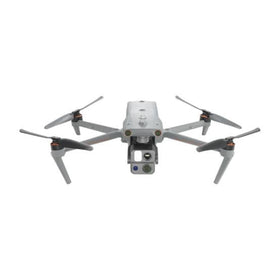
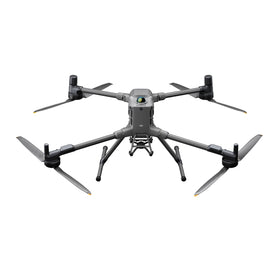
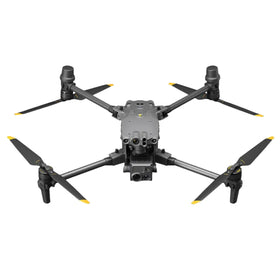
For operators looking to stay ahead of the curve, investing in advanced, software-upgradable drones is becoming essential. The used drone market is already seeing increased demand for platforms like the DJI Matrice 350 RTK and the Autel EVO Max 4T, which offer robust SDK support and modular payload capabilities. These are the civilian equivalents of the Su-57D’s adaptable architecture. As defense contractors push for more autonomous features, commercial drones will inherit better sense-and-avoid systems, improved battery life, and redundant communication links.
At Reboot Hub, we are observing a clear trend: drone operators are upgrading their fleets more frequently to access newer software features, even if the hardware is still functional. This creates a vibrant second-hand market for older but reliable models like the DJI Phantom 4 Pro V2.0 or the Mavic 2 Enterprise. These platforms are still highly capable for mapping, inspection, and training, and they offer an affordable entry point for new operators. The Su-57D’s flight is a reminder that the technology curve is steepening, and staying current is a competitive advantage.
Strategic Implications for NATO and Global Defense
The Su-57D’s first flight is not happening in a vacuum. It coincides with NATO’s ongoing “Ramstein Flag” exercises, which increasingly focus on counter-drone tactics and electronic warfare. The Felon-D is designed to operate in heavily contested environments where GPS and satellite communications are degraded. This forces NATO to accelerate its own MUM-T programs, such as the US Air Force’s Collaborative Combat Aircraft (CCA) program and the UK’s “Mosquito” drone project.
For the drone industry, this means increased government contracts for autonomous systems, sensor development, and AI algorithms. Companies like General Atomics, Kratos, and Shield AI are likely to see a surge in funding. Simultaneously, export restrictions on advanced drone technologies may tighten, affecting global supply chains. Countries like India, Vietnam, and Algeria, which operate mixed fleets of Russian and Western equipment, will be watching the Su-57D closely. They may seek to acquire similar MUM-T capabilities, either through procurement or domestic development.
This geopolitical tension also affects the commercial drone market indirectly. Sanctions on Russia have already disrupted the supply of certain electronic components, including semiconductors and GPS modules. If the conflict in Ukraine escalates further, we could see additional restrictions on drone exports and a push for “de-risking” supply chains. For commercial operators, this reinforces the importance of buying from reputable sources that offer genuine parts and reliable warranty support. That is why Reboot Hub emphasizes the use of professional DJI repair services using OEM components, ensuring your fleet remains airworthy and compliant even as global trade dynamics shift.
What This Means for Everyday Drone Pilots
You might not fly a Su-57D, but the technology inside it will eventually influence the drone you fly. The AI algorithms that allow the Felon to coordinate with Okhotnik drones are the same type of algorithms being refined for autonomous crop spraying, infrastructure inspection, and delivery logistics. As these systems become more reliable and affordable, the barrier to entry for advanced drone operations will lower.
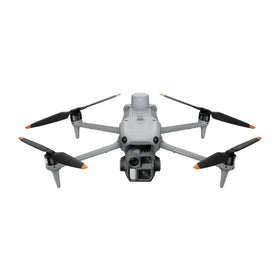
For commercial operators, the key takeaway is to invest in drones that are future-proof. Look for platforms that offer over-the-air firmware updates, modular payload systems, and strong SDK support. The DJI Matrice 4 series and the Autel EVO Max series are excellent examples. If budget is a concern, the second-hand market offers incredible value. At Reboot Hub, our pre-owned DJI drones undergo rigorous 52-point inspection and come with a 6-month warranty, giving you the same reliability as new at a fraction of the cost.
The Su-57D flight is a reminder that the drone revolution is accelerating. Whether you are a defense contractor, a commercial operator, or a hobbyist, staying informed and adaptable is the only way to thrive in this rapidly changing landscape.
FAQ: Russia’s Su-57D Felon and Drone Teaming
What is the Su-57D Felon?
The Su-57D is a two-seat variant of Russia’s fifth-generation stealth fighter, designed specifically for manned-unmanned teaming. The second crew member controls a network of loyal wingman drones, such as the S-70 Okhotnik, during combat missions.
How does the Su-57D affect the commercial drone market?
The Su-57D accelerates investment in autonomous systems, secure datalinks, and AI. These technologies eventually trickle down to commercial drones, improving features like obstacle avoidance, BVLOS capability, and swarm coordination. It also increases demand for advanced, upgradeable drones in the second-hand market.
Where can I buy reliable used drones for commercial use?
Reboot Hub offers a wide selection of pre-owned DJI drones that are flight-tested and backed by a 6-month warranty. We also provide professional DJI repair services using genuine parts to keep your fleet operational.
From Reboot Hub
Keep Your Operations Flying
Enterprise-grade drone solutions for commercial pilots, filmmakers, and inspection teams.
Pre-owned Fleet
Fully inspected DJI drones with 6-month warranty. Save up to 40%.
Browse Inventory ->