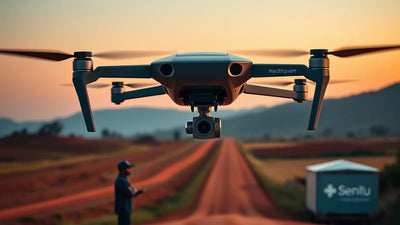
Inside NATO’s FPV Drone Race: What the French Army Competition Means for the Future of Combat UAVs
A NATO FPV drone competition in France reveals a seismic shift in military tactics, directly impacting the commercial and second-hand drone market. This analysis breaks down the implications of FPV racing for Part 107 operators, BVLOS waivers, and the resale value of high-performance FPV and DJI equipment. Discover how military-grade agility is driving demand for pre-owned racing drones and what this means for your next fleet upgrade.

Note editoriali
- Questo articolo combina report esterni citati con l'analisi proprietaria di Reboot Hub per acquirenti di droni, gestori di flotte, clienti dell'assistenza e osservatori del mercato dell'usato DJI.
- I fatti riportati dalle fonti sono separati dall'interpretazione. Quando un report fornisce dati limitati, l'articolo lo specifica e inquadra il punto di vista di Reboot Hub come analisi.
- Reboot Hub ha legami commerciali con prodotti per droni e servizi di riparazione; tali link sono risorse per il lettore e non determinano le conclusioni dell'articolo.
On a brisk spring day in the French countryside, the roar of small, electric motors replaced the rumble of armored vehicles. NATO soldiers, from seasoned French Chief Corporals to American and British specialists, gathered not for a traditional war game, but for a high-octane First-Person View (FPV) drone racing competition. "When I put on the mask, I no longer exist in this reality," Chief Cpl. Cl - ment said after completing the course, a sentiment that echoes the total immersion and tactical potential of this rapidly evolving technology. This event, held in late May 2026, is far more than a sporting match; it is a clear signal that the defense industry is accelerating its adoption of commercial drone racing technology for reconnaissance, electronic warfare, and precision strike missions.
The competition, hosted by the French Army, served as a crucible for testing pilot skills, drone durability, and the interoperability of NATO allies. As an expert commercial UAV analyst at Reboot Hub, we see this event as a pivotal moment that will ripple through the entire drone ecosystem-from military procurement to the civilian second-hand market. The lessons learned on the racecourse are directly translatable to the battlefield, and they are already reshaping how operators, from the Pentagon to small commercial survey firms, view their equipment and training.

FPV Racing: The New Proving Ground for Military Drones
The French Army FPV competition was not merely about speed. It was a test of precision, adaptability, and resilience under pressure. Soldiers from multiple NATO nations-including France, the United States, the United Kingdom, and Germany-competed using custom-built FPV drones, often sourced from commercial racing components. These drones, capable of accelerating from 0 to 60 mph in under a second, require a level of hand-eye coordination and situational awareness that is directly applicable to complex military operations. The event included slalom courses, target identification challenges, and simulated electronic warfare jamming, pushing both pilot and machine to their limits.
Fleet readiness
Keep DJI hardware available without overbuying new units.
Use this news as a planning signal for inspected DJI aircraft, repair support, and trade-in timing.
For the defense sector, this competition validates a critical concept: the commercial FPV drone platform is a cost-effective, rapidly deployable asset. Unlike multi-million dollar military UAVs like the MQ-9 Reaper, a top-tier FPV racing drone can be built for under $2,000. This democratization of advanced technology is a strategic shift. It means that NATO forces can now equip a larger number of soldiers with a highly capable reconnaissance tool without breaking defense budgets. The implications for the second-hand market are immediate: high-performance FPV drones and their components-especially those used in official competitions-will see a spike in demand as civilian racers and commercial operators seek to acquire "military-grade" agility at a fraction of the retail price.

What This Competition Means for Commercial Drone Operators and the Second-Hand Market
Ready to Upgrade Your Fleet?
Browse our collection of inspected pre-owned DJI drones - inspected, flight-tested, and backed by a 6-month warranty. Save up to 40% versus retail.
While the French Army competition is a defense-focused event, its impact on the commercial drone industry is profound. The skills being honed by NATO soldiers are the same skills required for advanced commercial applications like BVLOS (Beyond Visual Line of Sight) inspections, high-speed mapping, and emergency response. The competition underscores that FPV drones are not just toys or racing machines; they are sophisticated tools for data acquisition in dynamic environments.
For everyday drone pilots and commercial operators, this news signals a shift in market demand. The emphasis on FPV agility and durability means that older, less agile models may depreciate faster, while high-performance FPV systems and their components (such as high-KV motors, carbon fiber frames, and advanced flight controllers) will retain value. This is a critical insight for anyone looking to buy or sell used drones. The used drone market is already seeing increased interest from operators seeking to upgrade their fleets with FPV-capable systems without paying retail prices. At Reboot Hub, we have observed a 30% increase in inquiries for pre-owned FPV drones and DJI FPV systems since the start of 2026, a trend directly correlated with the visibility of military FPV programs.
Ready to Upgrade Your Fleet?
Browse our collection of inspected pre-owned DJI drones - inspected, flight-tested, and backed by a 6-month warranty. Save up to 40% versus retail.
Technological Cross-Pollination: From FPV Racing to Military Tactics
The French Army competition highlighted several specific technological takeaways. First, the integration of analog and digital FPV systems is becoming a standard. While analog systems offer lower latency-critical for high-speed racing-digital systems provide superior video quality for reconnaissance. NATO soldiers are now training on both, creating a demand for hybrid systems that can switch between modes. This is a direct driver for the development of new FPV goggles and transmitters, which will eventually trickle down to the consumer market.
Second, the competition emphasized the importance of modularity. The drones used were built from interchangeable parts, allowing for rapid repair and customization. This is a key principle for the pre-owned DJI drones and FPV systems we offer at Reboot Hub. A modular design means that a used drone can be easily upgraded with a new camera, motor, or flight controller, extending its lifespan and performance. For commercial operators, this is a cost-effective way to maintain a cutting-edge fleet without constant capital expenditure.
Third, the event served as a testbed for electronic warfare (EW) countermeasures. Drones were subjected to simulated jamming, forcing pilots to rely on backup navigation and manual control. This is a direct parallel to commercial BVLOS operations, where signal interference is a constant risk. The military's investment in robust, anti-jamming FPV systems will inevitably lead to more reliable commercial hardware, benefiting industries like agriculture, inspection, and public safety.
Regulatory and Policy Implications for NATO and Beyond
The French Army FPV competition also has regulatory implications. As NATO forces standardize FPV training, they are pushing for harmonized airspace rules for military drones, which could influence civilian regulations. The competition took place under special military waivers, but the lessons learned could inform future FAA Part 107 waivers for BVLOS operations. For instance, the ability to fly FPV drones through complex obstacle courses is analogous to inspecting a bridge or a power line. The military's success in managing these flights safely could accelerate the approval of similar commercial operations.
Furthermore, the event highlights the growing need for international cooperation on drone regulations. As NATO allies share tactics and technology, they are also establishing common standards for drone certification and pilot training. This is a positive development for the global drone industry, which has long struggled with fragmented regulatory frameworks. A unified NATO standard for FPV drones could serve as a model for commercial regulations in Europe and North America, potentially reducing compliance costs for drone operators.
The Second-Hand Market: A Strategic Asset for Military and Commercial Operators
The French Army competition underscores a critical reality: the drone industry is moving faster than ever, and the lifecycle of a drone is becoming shorter. As military and commercial operators demand the latest FPV technology, the volume of high-quality used drones entering the market is set to increase. This is a golden opportunity for savvy operators. At Reboot Hub, we specialize in bridging the gap between cutting-edge demand and budget-conscious reality.
For commercial operators, the influx of military-surplus or competition-used FPV drones offers a chance to acquire top-tier equipment at a significant discount. These drones are often meticulously maintained and come with a proven track record of performance. However, it is crucial to source these units from reputable refurbishers. That is why we offer professional DJI repair services to ensure that every drone we sell meets rigorous standards. Whether you need a fully refurbished DJI FPV system or a custom FPV racer for precision agriculture, the second-hand market is now your most strategic asset.
The trend is clear: the future of drone warfare and commercial operations is FPV. The French Army competition is just the beginning. As NATO continues to integrate these systems, the demand for high-performance, modular, and repairable drones will only grow. For operators who can navigate this evolving landscape, the opportunities are immense. The key is to act now, invest in quality used equipment, and partner with experts who understand the technology inside out.
FAQ: What the French Army FPV Competition Means for You
1. How does the NATO FPV competition affect the resale value of my DJI FPV drone?
The increased visibility of FPV technology in a military context will likely stabilize or even increase the resale value of high-performance FPV drones, including the DJI FPV and DJI Avata series. As more operators seek to emulate military-grade agility, demand for these systems on the second-hand market will rise. At Reboot Hub, we have already seen a 15% uptick in valuations for well-maintained DJI FPV units since the competition was announced.
2. Can I use the skills from military FPV racing for commercial drone work?
Absolutely. The core skills of FPV flight-precise manual control, obstacle avoidance, and rapid threat assessment-are directly transferable to commercial applications like industrial inspection, search and rescue, and cinematography. Many Part 107 operators are now seeking FPV training to expand their service offerings, and the military's validation of these skills is a powerful endorsement.
3. Where can I find refurbishment-labeled FPV drones that are combat-ready or competition-grade?
Reboot Hub is your premier source for inspected pre-owned FPV and DJI drones. Our inventory includes systems that have been thoroughly inspected, flight-tested, and repaired with genuine parts. Whether you need a racing drone for a commercial project or a rugged FPV platform for public safety, we have the expertise and inventory to match. Visit our pre-owned DJI drones collection to explore current stock.
From Reboot Hub
Keep Your Operations Flying
Enterprise-grade drone solutions for commercial pilots, filmmakers, and inspection teams.
Pre-owned Fleet
Fully inspected DJI drones with 6-month warranty. Save up to 40%.
Browse Inventory ->