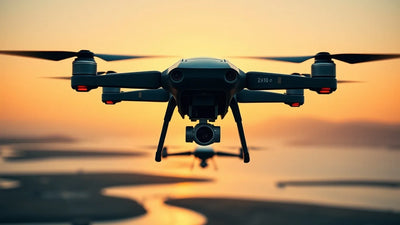
Red Cat (RCAT) at $11.20: What a Defense Drone Stock Surge Means for Operators
A bullish thesis on Red Cat Holdings (RCAT) highlights growing interest in U.S. defense drone stocks. With shares trading at $11.20, the analysis points to shifts in procurement that may affect commercial fleet buyers and the pre-owned DJI market.

Szerkesztői megjegyzések
- Ez a cikk egyesíti a megnevezett külső jelentéseket a Reboot Hub saját elemzéseivel drónvásárlók, flottaüzemeltetők, javítási szolgáltatásokat igénylők és a használt DJI piacfigyelők számára.
- A forrásból származó tények elkülönítve vannak az értelmezéstől. Amennyiben egy jelentés korlátozott adatokat szolgáltat, a cikk rögzíti ezt a korlátozást, a Reboot Hub szempontját pedig elemzésként tünteti fel.
- A Reboot Hub kereskedelmi linkjei dróntermékekre és javítási szolgáltatásokra mutatnak; ezek olvasói erőforrások, és nem határozzák meg a cikk következtetéseit.
When a defense drone stock like Red Cat Holdings (RCAT) attracts a bullish thesis on a public investment platform, it signals more than just a trading opportunity. It reflects a broader realignment in how drones are being procured, operated, and supported. For commercial UAV buyers, fleet managers, and repair customers, these financial currents matter far beyond the portfolio. They affect supply chains, parts availability, and the long-term value of pre-owned equipment.

Red Cat Holdings, trading at $11.20 as of June 17th, 2026, is a U.S.-based defense technology company with a clear focus on small unmanned systems for military and government customers. The bullish case laid out on InfoArb Sheets's Substack and summarized by Yahoo Finance points to growing conviction around domestic drone manufacturing for defense applications. While the full thesis is behind a subscription, the public takeaway is already instructive: investors see a durable demand shift toward American-made tactical drones. That shift has direct, practical consequences for anyone buying, selling, or repairing drones in 2026.
Understanding the Red Cat investment thesis
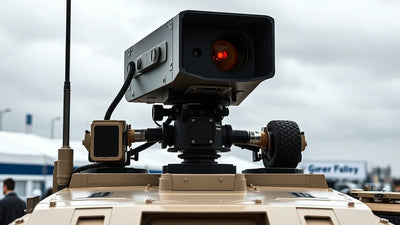
The Red Cat bullish thesis arrives at a moment when defense budgets across NATO-aligned nations are increasingly earmarking funds for small UAS procurement. Red Cat, headquartered in Puerto Rico and with operations in the continental U.S., manufactures the Teal 2 and other small sUAS platforms designed for reconnaissance, intelligence, and tactical missions. Unlike commercial-off-the-shelf drones that dominate the consumer and enterprise markets, Red Cat's systems are built to military specifications, with encrypted data links, ruggedized airframes, and integration with existing defense architectures.
The $11.20 share price, as of mid-June, reflects a company that has gained visibility in a competitive space. The bullish thesis apparently focuses on contract momentum, domestic manufacturing advantages, and the potential for recurring service revenue from government customers. For commercial operators, the detail that matters is this: when defense spending concentrates on specific U.S. manufacturers, it can tighten the supply of certain components, attract engineering talent away from civilian drone projects, and create pricing pressure across the broader drone ecosystem.
None of this suggests an imminent disruption for DJI users. DJI remains the dominant force in commercial aerial photography, agriculture, inspection, and mapping. But the Red Cat story reinforces a trend that commercial buyers should track: the bifurcation of the drone market into defense-grade U.S. platforms and commercially oriented global platforms. That split has implications for parts standardization, repair networks, and second-hand valuations.
What this means for drone buyers
For drone buyers evaluating new equipment in the second half of 2026, the Red Cat thesis serves as a reminder to consider long-term support ecosystems before committing to a platform. Defense contracts can pull engineering resources and component inventory toward military production, potentially lengthening lead times for civilian repair parts. If you operate DJI Matrice, Mavic, or Phantom platforms, your supply chain is largely insulated from defense procurement cycles. But if you are evaluating a U.S.-based alternative to DJI for a government-funded project, the financial health and order backlog of that manufacturer becomes a practical concern.
Purchase timing
Use market shifts to buy smarter, not faster.
When pricing, earnings, or supply news moves the drone market, compare pre-owned options and repair paths before committing new capital.
Specifically, if Red Cat or similar firms scale up to meet defense demand, their ability to support commercial or dual-use customers may fluctuate. Commercial buyers should ask: Is the manufacturer prioritizing military contracts over commercial fulfillment? Are spare parts readily available through third-party distributors, or are they tied to government purchase orders? These questions affect uptime, repair turnaround, and total cost of ownership.
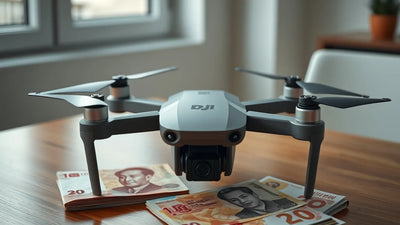
For fleet managers who already operate DJI equipment, the takeaway is more subtle. The growth of U.S. defense drone companies can actually reinforce the value of pre-owned DJI drones in the civilian market. As government buyers move toward domestic platforms, the stock of commercially available DJI units becomes more concentrated in civilian and enterprise hands. That can stabilize pricing for used equipment and support a healthy second-hand market. It also means that genuine OEM DJI spare parts remain in steady demand, as the installed base of commercial DJI drones continues to grow and requires ongoing maintenance.
Fleet planning and repair in a shifting market
The Red Cat bullish thesis also highlights the importance of repair readiness for fleet operators who depend on daily uptime. Defense-focused manufacturers often prioritize new unit production over post-sale service for non-military customers. If you operate a mixed fleet that includes both domestic and imported drones, your repair strategy should account for different parts pipelines.
For DJI-based fleets, the repair ecosystem is mature, with established channels for professional DJI repair services that use genuine OEM components. That reliability is a competitive advantage when defense contractors face production bottlenecks. A fleet manager who can get a Matrice 300 RTK back in the air within 48 hours through a third-party repair partner has a tangible edge over a team waiting weeks for a military-grade replacement part.
The broader lesson from the RCAT financial story is that drone fleet planning should include a repair and redundancy strategy that does not depend on a single manufacturer's defense order book. Diversifying your supply of spare parts and repair services protects against procurement volatility. It also helps maintain consistent operational capability when market conditions shift.
For commercial operators who rely on second-hand equipment to keep costs predictable, the defense market's growth can actually be a stabilizing force. When government buyers acquire new U.S.-made platforms, they sometimes release older systems into surplus channels. However, those are typically specialized military units, not the DJI models that dominate commercial work. The pre-owned DJI market operates largely independently of defense procurement, which means its pricing is driven by civilian supply and demand, not Pentagon contracts.
Assessing the pre-owned market impact
The Red Cat Holdings bullish thesis does not directly address the second-hand drone market, but the implications are worth examining. Defense contracts tend to be multi-year and involve specialized platforms that do not circulate widely on the open market. The commercial second-hand trade is dominated by DJI models that have been traded in by enterprise users, production companies, surveyors, and inspectors who upgrade or adjust fleet size.
If the defense sector continues to invest heavily in domestic U.S. drone manufacturers, the pre-owned market for DJI equipment should remain robust. Commercial operators will still upgrade, retire, and resell DJI drones based on mission requirements, not defense budgets. That means the supply of inspected pre-owned DJI units will continue to meet demand from cost-conscious buyers who need reliable aircraft for mapping, construction, agriculture, and public safety work.
For sellers, the key is documentation. Whether you are trading in a Mavic 3E or a Matrice 350 RTK, having a clean flight log, original accessories, and a record of professional repair with genuine parts increases resale value. Buyers, in turn, should seek out vendors who provide transparent condition reports and warranty coverage on pre-owned inventory. The second-hand market rewards trust, especially when new equipment lead times can stretch due to manufacturing shifts.
One practical step for any operator reading this: audit your current fleet's parts compatibility. If you rely on a mix of DJI and non-DJI platforms, confirm that your repair partner stocks OEM components for each type. The Red Cat story is a reminder that component supply chains can tighten when defense orders surge. Having a reliable source of genuine OEM DJI spare parts ensures your commercial operations are not disrupted by trends in defense procurement.
Is Red Cat Holdings a direct competitor to DJI in the commercial market?
Not in a meaningful way for most commercial operators. Red Cat focuses on defense-grade small UAS for military and government customers. Its platforms are built to different specifications than DJI's commercial lineup and serve different mission profiles. Commercial buyers evaluating aerial photography, inspection, agriculture, or mapping will still find DJI's ecosystem more suited to those tasks in terms of software integration, payload availability, and cost per flight hour.
Should commercial fleet managers adjust their buying plans based on the RCAT stock thesis?
Only indirectly. The RCAT bullish thesis is a financial signal about defense demand, not a recommendation for commercial procurement. Fleet managers should monitor whether defense contracts tighten the supply of certain electronic components or repair parts across the industry, but for DJI-centric fleets, the impact is minimal. The larger lesson is to maintain a diversified repair and parts strategy so that external market shifts do not ground your operations.
How does defense drone spending affect the value of pre-owned DJI drones?
Generally, it supports stable pricing. As government buyers move toward domestic defense platforms, the civilian and enterprise stock of DJI drones remains in commercial circulation rather than being absorbed by military contracts. This keeps the pre-owned DJI market driven by normal fleet turnover rather than government demand. For buyers and sellers of used DJI equipment, the key factors remain condition, flight hours, and service history, not defense procurement cycles.
From Reboot Hub
Use market shifts to buy smarter, not faster.
When pricing, earnings, or supply news moves the drone market, compare pre-owned options and repair paths before committing new capital.
Pre-owned DJI drones
Inspected pre-owned aircraft with warranty coverage and clear condition grading.
Browse inventory ->Genuine-part repair
Diagnostics, repair planning, and component replacement for working DJI fleets.
Book a repair ->OEM spare parts
Batteries, propellers, gimbals, and essential DJI components for faster recovery.
Shop parts ->