DJI AP100 ejtőernyő: Az első biztonsági rendszer drónokhoz
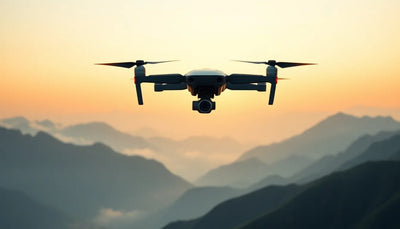
A DJI bemutatta első drón ejtőernyőjét, a AP100-t. Bár a részletek egyelőre szűkösek, a lépés jelzi a kereskedelmi üzemeltetők és flottavásárlók számára egyre fontosabbá váló biztonsági szempontokat és a szabályozási megfelelésre irányuló fokozott figyelmet.

A Stuff South Africa első jelentése szerint a DJI bemutatta a AP100-t, a vállalat első drón-ejtőernyős rendszerét. Egy olyan iparágvezető számára, amelyt régóta a repülési teljesítmény és a kameratechnológia definiált, a hardveres ejtőernyők piacára való belépés jelentős lépés. Bár jelenleg korlátozott a hivatalos információk száma, a bejelentés egyértelmű következményekkel jár a drónvásárlók, a flottaüzemeltetők és a szélesebb körű használt DJI piac számára.
A drónokhoz való ejtőernyős rendszerek nem újítás. Harmadictions gyártók már évek óta kínálják ezeket, különösen a nagy teherbírású és ipari drónok esetében, ahol egy meghibásodás súlyos károkat vagy személyleti sérüléseket okozhatna. Amikor azonban a DJI belép egy kategóriába, az gyakran jelzi, hogy a technológia a réstől a tömegpiac felé tolódik. A AP100 alapjaiban határozhatja meg, hogyan kezelik az üzemeltetők a kockázatokat, a szabálykövetelményeket, sőt a használt eszközök értékelését is.
Miért kulcsfontosságú a DJI ejtőernyő az üzemeltetők számára?
A forrásadatok csak annyit erősítik meg, hogy a AP100 első ejtőernyős terméke a DJI. Nem specifikál kompatibilis modelleket, kioldási sebességet, magassági korlátokat vagy súlyadatokat. Ennek ellenére egy hivatalos DJI ejtőernyő létezése azt sugallja, hogy a vállalat olyan szabályozási környezetre készül, amelyben a légibiztonsági rendszerek már nem opcionálisak, hanem alapkövetelmények lesznek.
DJI buying context
Match product news to hardware you can actually deploy.
Check inspected DJI aircraft, repair support, and trade-in timing before deciding whether to upgrade, repair, or wait.

Azok a kereskedelmi üzemeltetők számára, akik lakott területeken, kritikus infrastruktúra közelében vagy ellenőrzött légtérben repülnek, az ejtőernyő utolsó pillanatban alkalmazható kockázatcsökkentő eszköz. Egyes piacokon, például Európa és Észak-Amerika több részén a szabályozók már most is előírják a vészhelyzeti biztonsági rendszerek alkalmazását bizonyos repülési kategóriákban. Egy DJI márkájú megoldás egyszerűsítheti a megfelelést, mivel úgy tervezték, hogy zökkenőmentesen integrálódjon a drón meglévő szoftverébe és hardverébe. Így az üzemeltetőknek többé nem kell utángyártott adapterekre hagyatkozniuk, amelyek érvényteleníthetik a garanciát vagy bonyolult telepítést igényelnek.
A gyakorlati következtetés az, hogy a flottaüzemeltetőknek el kell kezdeniük mérlegelni, hogy jövőbeni műveleteikhez szükség lesz-e ejtőernyős kapacitásra. Még ha a AP100 kezdetben csak az újabb modelleket célozná meg, a régebbi drónok utólagos felszerelése is lehetővé válhat frissített firmware vagy rögzítőkészletek révén. Bár ez jelenleg csak spekuláció, a DJI kiegészítő ökoszisztémákat kínáló korábbi stratégiája ezt támasztja alá.
Mit jelent ez a drónvásárlók számára?
Bárki számára, aki új DJI vásárlást tervez, a AP100 egy teljesen új döntési szemponttá válik. A forrásadatok nem közölnek árakat vagy megjelenési időpontot, de az ejtőernyő opcionális kiegészítőként, vagy akár a vállalati modellek alapcsomagjának részeként is szerepelhet. Azok a vásárlók, akik nagy kockázatú feladatokra szánják drónjukat, érdemes lehet megvárniuk a kompatibilitási listák közzétételét, mielőtt egy jelenlegi generációs modell mellett döntenének.
A használt DJI piacra közvetettebb, de jelentős hatása lesz. Ahogy a DJI bevezeti első ejtőernyős rendszerét, azok a használt egységek, amelyek nem támogatják hivatalosan ezt a funkciót, gyorsabban elveszíthetik értéküket, mint a fejleszthető modellek. A korábbi generációs drónok eladóinak módosítaniuk kell lehet az ártervüket, ha a vásárlók prioritássá teszik a biztonsági funkciókat. Ezzel szemben a már ismerten AP100-kompatibilis használt drónokért prémium árat kérhetnek, különösen a kereskedelmi üzemeltetők körében, akiknek új berendezések vásárlása nélkül kell megfelelniük a szigorodó biztonsági szabályoknak.
Ez optimális időpont a drónvásárlók számára, hogy felülvizsgálják saját kockázattűrő képességüket és működési igényeit. Aki gyakran repül lakott területeken vagy korlátozott zónákban, számára az ejtőernyős rendszer a „kéretes kiegészítőből” alapfeltételezéssel „kötelező eszközzé” válhat. A hobbi- és alkalmi felhasználók számára a AP100 kevésbé releváns lehet, de a gyári biztonsági funkciók irányába mutató trend idővel valószínűleg az egész termékcsaládot érinti.
Hatások a flotta-tervezésre és a javításokra
A több DJI drónt kezelő flottaüzemeltetőknek el kell kezdeniük az ejtőernyős rendszerek bevezetését tervezni. Specifikus adatok nélkül még korai konkrét modelleket vagy utólagos felszerelési módokat ajánlani. Ugyanakkor a körültekintő üzemeltetőnek nyomon kell követnie a DJI hivatalos bejelentéseit és a megjelenő szakmai teszteket. A AP100 beépítése a flotta biztonsági protokollokba csökkentheti a biztosítási díjakat, vagy lehetővé teheti olyan új típusú küldetési szerződéseket, amelyek vészhelyzeti leszállórendszert igényelnek.
Javítási szempontból az ejtőernyős rendszer bevezetése új karbantartási tételeket jelent. A legtöbb konstrukcióban az ejtőernyők egyszer használatos eszközök. Kioldás után a kupolát, a zsinórokat és a kioldó mechanizmust cserélni kell. Ez egy ismétlődő szervizigényt teremt, amely növelheti a AP100-vel felszerelt drónok teljes所有költségét (TCO). Ugyanakkor lehetőséget kínál a professzionális DJI javítószolgáltatásoknak arra, hogy az ejtőernyő-cserét is bevezessék szolgáltatásaik közé. Azok a szervizek, amelyek befektetnek a képzésbe és a AP100-hez szánt eredeti OEM alkatrészekbe, versenyképes pozícióba kerülnek mind az egyéni tulajdonosok, mind a kereskedelmi flották kiszolgálása során.
A flottavezetőknek mérlegelnük kell az ejtőernyő súlyra és egyensúlyra gyakorolt hatását is. Még egy kompakt rendszer is növeli a váz tömegét, ami csökkentheti a repidőt vagy a hasznos teherbírást. Az üzemeltetőknek újra kell kalibrálni a küldetéstervezési paramétereiket, ha AP100 rendszerrel terveznek repülni. Hivatalos specifikációk nélkül nem tudjuk számszerűsíteni a hatást, de ez egy ismert kompromisszum minden ballisztikus vagy féltető ejtőernyős rendszer esetében.
Hogyan érintheti a használt DJI piacot
A használt drónpiacát az értékpercepció vezérli, egy gyári támogatású ejtőernyős rendszer pedig megváltoztatja a kalkulációt. A AP100-vel kompatibilis drónok valószínűleg jobban megőrzik értéküket, mint azok, amelyek nem rendelkeznek ezzel a lehetőséggel. A használt eszközöket keresők számára az ejtőernyős készenlét rutinszerű ellenőrzéssé válhat, hasonlóan az akkumulátor állapotához vagy a baleseti előzményekhez.
A használt DJI drónok eladóinak dokumentálniuk kell, hogy modelljük támogatja-e a AP100-t. Ha a kompatibilitás később megerősítést nyer a modellek széles körében, az ejtőernyő korai alkalmazói pozitív visszaesést tapasztalhatnak a viszonteladási értékben. Ezzel szemben, ha a AP100 a csúcskategóriás drónok egy kis részhalmazára korlátozódik, a régebbi népszerű modellek, például a Mavic 3 vagy a Matrice 300 kisebb hatást érhetnek el. A legfontosabb bizonytalanság, mivel a forrásadatok nem tartalmaznak kompatibilitási listát, azt jelenti, hogy a vevőknek és az eladóknak továbbra is óvatosnak kell lenniük a feltételezésekkel kapcsolatban.
Azok számára, akik frissíteni szeretnék, egy dróncsere-útmutató segíthet az időzítés és az értékelés optimalizálásában. Okos döntés lehet egy olyan modellre váltani, amely később támogatni fogja a AP100-t, feltéve, hogy a megjelenési időpont összhangban van az üzemeltetési igényekkel. A biztonságosabb megközelítés a hivatalos kompatibilitási megerősítések megvárása.
Egy konkrét tanács az üzemeltetőknek és vásárlóknak: ne kapkodjanak az adással vagy vétellel kizárólag ezen ejtőernyős bejelentés alapján. További információkat gyűjtsenek a DJI hivatalos csatorjáin és független tesztekben. Ha olyan DJI drónnal rendelkezik, amelyet két vagy több évig tervezi használni, figyelje, hogy elérhető lesz-e hozzá AP100 utólagos felszerelés. Ha hamarosan vásárol egy használt drónöt, érdemes kedvezményt kérni, ha a modell valószínűleg nem támogatja a gyári ejtőernyős integrációt.
Gyakran Ismételt Kérdések
A DJI AP100 kompatibilis a régebbi DJI drónmodellekkel?
A rendelkezésre álló információk alapján a kompatibilitási részletek még nem lettek közölve. A forrás csak azt erősíti meg, hogy a AP100 a DJI első ejtőernyője. Amíg a DJI nem tesz közzé kompatibilitási listát, nem tudható biztosan, mely meglévő modellek használhatják a rendszert.
Szükség lesz a AP100 ejtőernyőre a szabályozási megfeleléshez?
Hivatalos szabályozási összefüggéseket még nem jelentettek be. A DJI belépése azonban a hardveres ejtőernyős megoldások piacára azt sugallja, hogy a biztonsági rendszerek egyre központibb szerepet töltenek be a drónüzemeltetésben. Az üzemeltetőknek érdemes egy konzultálni a helyi légügyi hatósággal, hogy az ejtőernyők használata ajánlott vagy kötelező a repülési kategóriájukban.
Hogyan készíthetem fel flottámat a DJI AP100 ejtőernyőre?
Kezdje a jelenlegi drónmodellek és azok hasznos teherbírásának felülvizsgálatával. Kövesse a DJI hivatalos termékoldalait a AP100 specifikációi, súlya és telepítési útmutatói érdekében. A jövőbeni utólagos felszerelési igények kapcsán érdemes szakemberhez fordulni. Amíg további részletek nem merülnek fel, kerülje a spekulációkon alapuló nagyobb befektetéseket.
Konzultált források
A közzététel időpontjában további hivatalos dokumentáció nem állt rendelkezésre.
A Reboot Hub szerkesztősége vásárlási, javítási, viszonteladási és üzemeltetési elemzéseket nyújt dróntulajdonosok számára. Ha hibát észlel, kérjük, jelezze nekünk a szerkesztői irányelvünknek megfelelően a javítás érdekében.