19.8 Tons of Underwater Disruption: Turkey’s Containerized Drone Submarine Shifts Naval Warfare
Turkey’s new STM500 UUV variant – a 19.8-ton containerized drone submarine capable of launching FPV drone swarms, anti-ship missiles, and torpedoes while submerged – signals a paradigm shift in asymmetric naval warfare. For commercial UAV operators, this development accelerates the militarization of FPV technology, potentially triggering stricter BVLOS regulations and export controls that could ripple through the civilian drone market, affecting everything from inspection workflows at Reboot Hub to used DJI inventory valuations.

Szerkesztői megjegyzések
- Ez a cikk egyesíti a megnevezett külső jelentéseket a Reboot Hub saját elemzéseivel drónvásárlók, flottaüzemeltetők, javítási szolgáltatásokat igénylők és a használt DJI piacfigyelők számára.
- A forrásból származó tények elkülönítve vannak az értelmezéstől. Amennyiben egy jelentés korlátozott adatokat szolgáltat, a cikk rögzíti ezt a korlátozást, a Reboot Hub szempontját pedig elemzésként tünteti fel.
- A Reboot Hub kereskedelmi linkjei dróntermékekre és javítási szolgáltatásokra mutatnak; ezek olvasói erőforrások, és nem határozzák meg a cikk következtetéseit.
Istanbul, June 14, 2026 – The era of the invisible carrier has arrived. Turkey’s defense powerhouse STM (Savunma Teknolojileri Mühendislik ve Ticaret A.Ş.) has just unveiled a 19.8-ton unmanned underwater vehicle (UUV) that breaks all the rules of naval logistics and strike capability. The vessel, derived from the STM500 design, can not only submerge and loiter for weeks but also launch swarms of FPV (first-person view) kamikaze drones, anti-ship missiles, torpedoes, and mines—all while remaining completely hidden beneath the surface. And the entire system ships inside a single standard ISO shipping container.

The revelation, first reported by Autonocion.com and confirmed by defense analysts at Reboot Hub, represents a quantum leap in asymmetric warfare. By combining a long-endurance underwater drone with containerized mobility and a mothership-like ability to deploy smaller unmanned aerial systems (UAS), Turkey has essentially created a mobile, stealthy, and highly elusive platform that can strike from the depths without ever needing a dedicated naval base. For commercial UAV operators, drone repair specialists, and the broader second-hand drone market, this development carries far-reaching implications that go well beyond the battlefield.
Unpacking the STM500 UUV: A Containerized Underwater Arsenal
The STM500 is not an entirely new class of vessel—the baseline design has been in Turkish inventory for years as a midget submarine for special forces delivery or coastal patrol. What is revolutionary is the “drone submarine” variant revealed this week. With a displacement of 19.8 tons, a length of approximately 18 meters, and a diameter of around 2.2 meters, it fits snugly inside a 40-foot high-cube container. Upon arrival at a coastal dock or even a beach, the container opens hydraulically, the UUV is rolled out on a cradle, and it is launched via a ramp or crane—ready to operate within hours.
Reader resources
Turn this drone news into a practical next step.
Compare inspected pre-owned DJI drones, repair options, and trade-in timing before the market moves again.
Key payloads include up to four anti-ship missiles (compatible with Turkey’s ATMACA missile series), an internal torpedo tube for lightweight torpedoes, mine rails, and—most critically—a vertical launch system (VLS) capable of storing and releasing multiple FPV drones from submerged positions. These drones, likely variants of the Turkish-made KARGU or ALPAGU, can be pre-programmed for autonomous or pilot-guided attack runs against surface ships, coastal targets, or even aerial threats after surfacing a small communications buoy. The submarine also carries acoustic sensors, a low-probability-of-intercept radar mast, and satellite communication links, allowing it to operate over satellite BVLOS (beyond visual line of sight) links up to 500 kilometers from its container base.
Ready to Upgrade Your Fleet?
Browse our collection of inspected pre-owned DJI drones — inspected, flight-tested, and backed by a 6-month warranty. Save up to 40% versus retail.
Impact on the Commercial Drone Market: Why Every Drone Operator Should Care
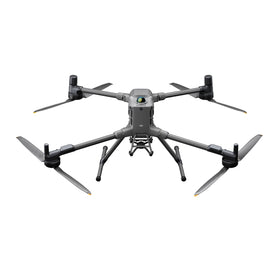
At first glance, a Turkish military submarine launching FPV drones seems light-years away from a civil engineering firm mapping a construction site with a Matrice 350 RTK or a farm operator spraying crops with an Agras T50. But the lines between military and commercial drone technologies are blurring faster than ever. Today’s announcement accelerates that convergence in three critical ways.
First, the FPV drones used in the submarine are nearly identical in hardware to the racing and inspection FPV drones sold in consumer markets around the world. Open-source flight controllers, digital video transmitters, and modular battery systems make these platforms easy to adapt for military use. This creates a demand surge for robust, high-endurance, and ruggedized FPV components—components that often find their way into commercial operations for confined-space inspections, search-and-rescue, and agricultural monitoring. As military contracts prioritize production capacity, civilian supply chains could face shortages, driving up prices for both new and used FPV drones. For operators looking to buy or sell second-hand kits, this could mean a volatile market in the second half of 2026.
Second, the containerized launch capability highlights a logistical innovation that could trickle down to civilian UAS deployment. Imagine a shipping container that opens to reveal a fully automated ground control station, battery charging racks, and a stowed quadcopter ready to fly – the same principle applied to disaster response teams or industrial site inspections. We are already seeing similar containerized drone systems from companies like Skydio and DJI (e.g., the DJI Dock), but a submarine version pushes the envelope of covert persistence. Civilian authorities may soon deploy underwater container platforms for long-term environmental monitoring or seabed surveying, creating a new niche in the used drone market for robust, saltwater-resistant vehicles.
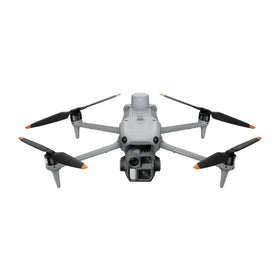
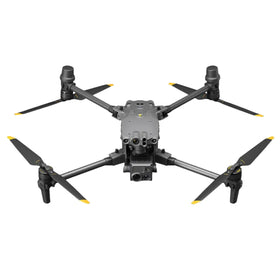
Third, the militarization of FPV technology will inevitably attract the attention of regulators. National aviation authorities like the FAA (Part 107 updates) and EASA are already struggling with rogue FPV incursions at airports and critical infrastructure. With the introduction of military-grade swarming FPVs from submerged platforms, expect a swift tightening of rules around autonomous BVLOS flight, swarm operations, and export controls on certain components such as high-power video transmitters and open-source flight stacks. Commercial operators who rely on FPV for interior inspection or low-altitude surveys may face new compulsory geofencing, pilot certification tiers, and equipment registration requirements—increasing operational overhead and pushing some users toward more expensive, locked-down platforms from DJI (like the Mavic 3E or Matrice 30 series).
This regulatory shift directly influences the second-hand and pre-owned DJI drones market. As demand shifts toward fully compliant, upgradeable fleet assets, sellers of older FPV equipment may see depressed prices, while well-maintained DJI Enterprise models command a premium. Reboot Hub, as a marketplace for inspected, flight-tested drones, is uniquely positioned to help operators navigate this transition.
What This Means for Drone Operators and the Second-Hand Market
For everyday drone pilots—whether you fly for fun or for profit—the Turkey drone submarine story is a wake-up call. The FPV community, in particular, must prepare for increased scrutiny. The very same technology that enables a submarine to launch a drone swarm is also used in grassroots racing clubs and real-estate videography. Governments around the world are likely to react with more restrictive no-fly zones over coastal waters, new identification requirements for any UAS that can fly BVLOS, and tighter personal import regulations on drone components like flight controllers with open-source firmware.
But there is also opportunity. As military demand for FPV components grows, surplus production lines and consumer overstock will eventually flood the market—exactly the scenario that powers the used drone market at Reboot Hub. Savvy operators can acquire high-end FPV frames and motors at a fraction of retail once initial military procurement stabilizes. Moreover, the demand for professional drone repair services will climb as civilian operators retrofit older models to meet evolving compliance standards. Reboot Hub’s professional DJI repair services with genuine parts are already seeing a spike in requests for antenna upgrades, firmware resets, and geofencing modifications—services that will become essential as regulations tighten.
Operators of heavy-lift drones or long-range VTOL platforms should also note the anti-ship missile capability of the STM500. Though aimed at naval adversaries, the technology demonstrates the feasibility of integrating various unmanned systems into a single undersea platform. In the commercial world, this could manifest as hybrid air-underwater inspection platforms for offshore wind farms or underwater pipeline monitoring—a niche that Reboot Hub expects to see its first offerings within 12-18 months. The second-hand market for submersible drones (like the PowerVision PowerRay or the new DJI UDH-1) will likely expand rapidly, with prices driven by the same militarization trends.
Regulatory Ripples and Future Outlook
The Turkey drone submarine is not an isolated incident. Several nations, including China, Russia, and the United States, are developing containerized UUVs with drone launchers. The United States’ “Orca” XLUUV program and China’s “Haijing” series already hint at similar capabilities. What Turkey has achieved is packaging advanced strike power into a highly affordable, portable format—potentially making the system available for export to allied nations or even non-state actors, raising immediate concerns about proliferation.
From a regulatory standpoint, the International Maritime Organization (IMO) and national coast guards will need to develop new rules for unmanned submerged vessels, especially those that can launch aerial drones. The FAA may extend its Remote ID requirements to include “submersible launch platforms” if they can release UAS in U.S. territorial waters. For commercial drone operators, this could mean additional permits when operating near coastlines, naval bases, or shipping lanes—effectively expanding the controlled airspace map.
The commercial UAV industry has always evolved in the shadow of military innovation. From GPS stabilization to autonomous waypoint navigation, many core drone technologies debuted in defense contexts. The STM500 represents the next wave: containerized, swarm-capable, and multi-domain integration. As these systems become more common, expect a parallel boom in counter-UAS (C-UAS) technology, which will create new job roles for drone operators trained in security screening and electronic warfare—skills that can be acquired through third-party training programs and second-hand equipment testing.
For Reboot Hub’s B2B clients, the message is clear: inventory planning must account for the coming regulatory wave. Stocking pre-owned DJI drones with low serial numbers and proven compliance records will be a safe bet. Investing in repair capabilities for DJI’s future “naval-proof” coatings will set you apart. The containerized submarine may seem like a military curiosity today, but its ripples will shape the commercial drone landscape for years.
Frequently Asked Questions (FAQ)
How does Turkey's drone submarine affect civilian drone regulations?
Turkey's STM500 UUV launch of FPV swarms could accelerate global regulatory restrictions on autonomous BVLOS flight, especially near coastal regions. The FAA, EASA, and other bodies may mandate Remote ID for any drone that can loiter beyond visual range, and may require special permits for operators near critical infrastructure. Commercial pilots should expect tighter geofencing and updated Part 107 waivers within 12 months.
Could this technology be used for commercial underwater drone inspections?
Yes. The containerized launch and recovery concept is directly applicable to offshore wind farm inspections, pipeline surveys, and environmental monitoring. Several companies are already adapting similar submarine-UAV hybrid systems. The second-hand market for submersible drones is likely to grow, with Reboot Hub monitoring inventory of robust, saltwater-rated UAS.
Will the price of FPV drones drop after this military deployment?
In the short term, military procurement may tighten supply of high-end FPV components, raising prices. However, as production lines mature, surplus stock will eventually flow into the civilian market, lowering prices of used FPV kits. Operators can capitalize now by purchasing inspected pre-owned FPV drones from trusted marketplaces like Reboot Hub.
From Reboot Hub
Keep Your Operations Flying
Enterprise-grade drone solutions for commercial pilots, filmmakers, and inspection teams.
Pre-owned Fleet
Fully inspected DJI drones with 6-month warranty. Save up to 40%.
Browse Inventory ->