WorldSkills Drone Event Highlights Demand for Cross-Discipline Technicians
A drone competition at the WorldSkills event in China is drawing attention to a shortage of technicians who can connect hardware, software, and real operational scenarios. The reporting points to a workforce gap that affects repair capacity, fleet support, and pre-owned drone service quality.

Quick answer
A drone event at the WorldSkills Competition in China is highlighting demand for technicians who can connect hardware, software, and real operational scenarios.
- The event focused on integrated skills rather than isolated piloting or assembly tasks.
- The reporting points to a workforce gap that affects repair capacity and fleet support.
- Commercial operators may face longer service cycles if cross-discipline technician supply stays tight.
- Pre-owned drone buyers should pay closer attention to inspection and service history.
Evidence: FAA UAS official guidance
Market context
Turn market news into a buy, repair, or trade-in decision.
Compare pre-owned availability, resale timing, and repair economics before the market moves again.

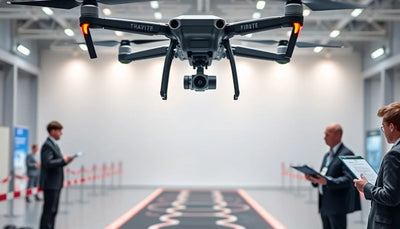
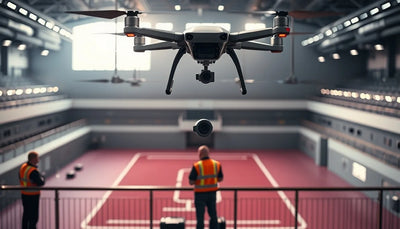
The drone event at the WorldSkills Competition in China is drawing attention to a specific and commercially important problem: the industry is looking for people who can connect hardware, software, and real operational scenarios. According to an on-site report published by Sohu, the competition setting made clear that the most valued skill set is not isolated piloting or isolated assembly work, but the ability to move across the full technical stack of a drone system under realistic conditions.
That framing matters because it describes the same capability gap that commercial drone buyers, fleet operators, and repair providers encounter in everyday operations. A technician who can only swap a motor, or only fly a mapping mission, or only configure a flight controller, is less useful than one who can diagnose a fault across power, firmware, sensor, and mission software at the same time. The event, as reported, treated that integrated skill set as the competitive standard rather than a specialist exception.
What the WorldSkills drone event actually showed
The Sohu report described the drone event as an on-site look at how competitors were evaluated, with the central observation that organizers and observers were seeking people who can connect hardware, software, and scenarios. The reporting did not provide a detailed scoring rubric or a list of specific drone models used in the competition, but the emphasis on cross-discipline integration is itself the most commercially relevant signal.
For a commercial operator, this is the difference between a repair that addresses the immediate symptom and a repair that accounts for how the aircraft behaves in a specific mission profile. A drone that flies perfectly on a bench can still fail during a thermal inspection or a mapping flight if the technician did not understand how the payload, firmware settings, and environmental conditions interact. The competition framing suggests that the industry is starting to formalize that expectation instead of treating it as an informal senior-technician trait.
Why the technician gap affects repair and fleet planning
When the available workforce is concentrated in narrow skill silos, repair capacity becomes less predictable. A fleet manager with ten aircraft may have access to a pilot who can identify a flight anomaly and a separate repair shop that can replace a damaged arm, but still face delays when the problem sits between those two domains. The WorldSkills reporting points to a market where employers and event organizers are explicitly looking for people who can bridge that gap.
That has direct consequences for service turnaround times, especially for enterprise fleets that depend on scheduled inspections, agricultural spraying, or logistics missions. If a technician must escalate a software-related fault to a separate specialist, the aircraft sits idle longer. If a repair provider cannot validate a fix against the actual mission scenario, the operator absorbs the cost of a second service visit or a failed field deployment. The competition's focus on integrated skills is, in effect, a public acknowledgment that the current training pipeline does not reliably produce that profile at scale.
What this means for drone owners and the market
For individual buyers and smaller operators, the workforce signal from the WorldSkills event should shape how they think about service history and inspection quality. A pre-owned drone is only as trustworthy as the inspection behind it. If the broader repair market is short on technicians who can evaluate hardware, software, and mission context together, then a superficial visual check or a single test hover becomes less meaningful as a quality signal. Buyers should look for service records that show diagnostic depth rather than just a clean exterior.
Reboot Hub's position in the pre-owned DJI market sits directly on this fault line. The same integrated skill set that the WorldSkills event highlighted is what separates a genuine OEM-pulled parts operation from a cosmetic resale channel. When a buyer is evaluating an inspected pre-owned DJI drone, the value is not in the box or the airframe alone; it is in whether the inspection caught the kind of cross-domain fault that only appears when hardware, firmware, and mission software are tested together. That is why Indiana Senator Touts Faa Test Site At Spray Drone Field Day Chinese Hardware remains relevant context for operators trying to understand how repair capacity and hardware sourcing are evolving in the commercial drone market. For owners evaluating service and lifecycle risk, Indiana Senator Touts Faa Test Site At Spray Drone Field Day Chinese Hardware explains the relevant repair, parts, resale, or operational path.
Fleet managers should also treat this as a procurement and maintenance planning issue, not just a training topic. If integrated technicians are scarce, then service-level expectations need to account for that scarcity. A fleet that relies on a single generalist technician is exposed to the same bottleneck as a fleet that relies on a single specialist. The more practical response is to build redundancy into the service chain and to prioritize repair partners who can demonstrate cross-discipline diagnostic capability rather than the lowest quoted labor rate.
The broader market signal for commercial drone services
The WorldSkills event is not a regulatory ruling or a product launch, but it is a useful leading indicator of where the commercial drone labor market is heading. When a skills competition starts organizing its evaluation around integrated hardware, software, and scenario competence, it usually means that employers have already been struggling to fill that role through conventional hiring channels. The Sohu report captured that shift in real time.
For the pre-owned market, this points toward a longer-term premium on well-documented service history and professionally inspected aircraft. If the technician pool remains tight, the cost of competent inspection and repair will not fall quickly, and the gap between a professionally serviced pre-owned drone and an unverified private sale will widen. Operators who understand that dynamic are better positioned to make procurement decisions that protect mission uptime rather than simply minimizing the initial purchase price.
The reporting also suggests that training programs and employers are beginning to treat scenario fluency as a core competency rather than an optional add-on. That is a positive development for the industry, but it does not solve near-term capacity problems. Buyers, fleet managers, and repair customers should plan around the current reality: integrated technical skill is valuable precisely because it is not yet abundant.
FAQ
Frequently asked questions
What was the main finding from the WorldSkills drone event report?
The Sohu report highlighted that the drone event was seeking people who can connect hardware, software, and real operational scenarios, signaling that integrated cross-discipline skill is now the competitive standard rather than isolated piloting or assembly ability.
How does this affect commercial drone repair and fleet operations?
A shortage of technicians who can diagnose across hardware, firmware, and mission software can slow repair turnaround and increase the risk of unresolved faults. Fleet managers should plan service capacity around that constraint and prioritize repair partners with demonstrated diagnostic depth.
What should a pre-owned drone buyer do differently after this report?
Buyers should look beyond cosmetic condition and request service records that show integrated inspection work. The same cross-discipline skill gap highlighted at the competition makes professionally inspected pre-owned drones more valuable than unverified private sales.
Which sources support this update?
The visible evidence links identify FAA UAS official guidance; each source is used only for the claim it directly supports.
What remains subject to change?
Retail pricing, availability, product bundles and regulatory timelines can change. Readers should verify the latest terms with the named retailer, manufacturer or regulator before acting.
How should buyers or operators use this analysis?
Use the verified facts as a starting point, then compare mission fit, lifecycle support, maintenance needs and current procurement terms before making a purchase or fleet decision.
Sources consulted
- Source material - primary source
- FAA UAS official guidance - official regulator source
Reboot Hub Editorial adds buyer, repair, resale, and operational analysis for drone owners. If you spot an error, contact us for correction review through our editorial policy.