US DJI Ban Fuels Demand for Alternative Action Flying Cameras
The U.S. ban on DJI drones is driving fleet operators and hobbyists toward an action flying camera alternative. We analyze what this means for buyers, the pre-owned DJI market, and repair services.

A recent report from VICE highlights a pivotal moment in the U.S. drone market: the federal ban on DJI drones is now in effect, and a quality alternative in the form of an action flying camera is gaining attention. For commercial fleet operators, repair customers, and buyers in the pre-owned DJI market, this development carries immediate practical implications. The ban, rooted in ongoing national security concerns, has effectively closed the U.S. market to new DJI drone sales, leaving a gap that alternative products are beginning to fill.
While DJI remains the dominant name in consumer and enterprise drones, the ban has forced operators to evaluate options. The action flying camera cited by VICE is not a direct replacement for a Matrice or Mavic platform, but it represents a category of compact, automated flyers designed for simplicity and portability. For buyers who relied on DJI's ecosystem for affordable aerial imaging, the landscape is changing. This analysis draws on the VICE report to explore what drone buyers, fleet managers, and repair customers should know about the post-ban market.
How the US DJI Ban Reshapes Purchase Decisions
The United States government has escalated restrictions on DJI drones, citing data security risks. According to the VICE article, the ban effectively prohibits the sale and use of DJI drones in many federal and state capacities. While the ban primarily targets government procurement, its ripple effects are felt across the commercial market as uncertainty spreads. Buyers who were considering DJI products now face limited availability, potential warranty complications, and a lack of clarity on future software support.
Market context
Turn market news into a buy, repair, or trade-in decision.
Compare pre-owned availability, resale timing, and repair economics before the market moves again.

This has accelerated interest in alternative platforms. The action flying camera mentioned in the report is one such option—a lightweight, consumer-friendly device that provides stable video footage without the regulatory and supply-chain risks associated with DJI. For fleet operators, the decision is no longer just about specs; it's about long-term viability. Shifting to a non-DJI ecosystem may involve retraining pilots, adapting to new software, and accepting different performance profiles. However, the alternative offers a path to compliance and continuity. Operationally, the key takeaway is to evaluate alternatives now rather than waiting for DJI stock to dwindle further.
What this means for drone buyers
For individual buyers and small fleet owners, the ban creates two immediate considerations: affordability and availability. Pre-owned DJI drones have historically been the go-to option for those seeking high-quality, reliable platforms at a reduced price. With new DJI units increasingly hard to source in the U.S., the pre-owned market becomes more important—but also more competitive. Prices for used DJI units may rise as supply tightens, especially for models that remain popular for commercial work like the Phantom 4 Pro or Mavic 2 Enterprise.
Simultaneously, alternative action flying cameras offer a lower upfront cost. According to the VICE report, the device provides a "quality" experience, which suggests it may meet the needs of many recreational and light commercial users. Buyers should weigh the total cost of ownership, including batteries, accessories, and potential repair services. For those committed to the DJI ecosystem, sourcing genuine OEM spare parts and using professional DJI repair services will become even more critical as the supply chain for new parts tightens. A careful look at the pre-owned inventory of pre-owned DJI drones could reveal value for fleet operators willing to buy now before demand pushes prices higher.
The Alternative Action Flying Camera: A Viable Contender
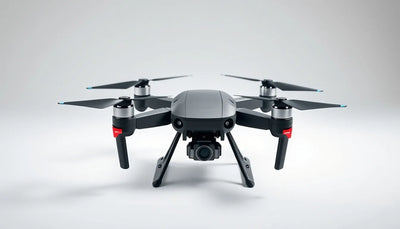
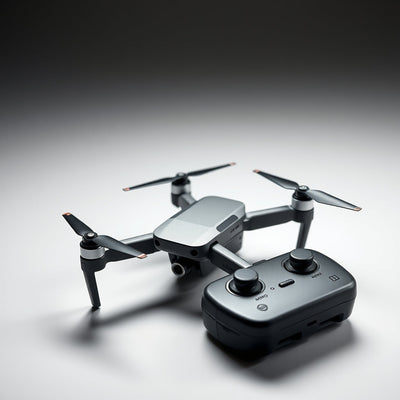
The VICE article specifically points to an "action flying camera" as the alternative. While the report does not name a single brand or model, the category is recognizable: lightweight drones designed for easy takeoff, automatic tracking, and hands-free operation. These devices typically lack the advanced payload capabilities of DJI's enterprise drones but excel in user-friendliness and portability. For hobbyists, content creators, and even some inspection tasks that do not require specialized sensors, the action camera drone may be sufficient.
Reboot Hub analysis: From a market trends perspective, this signals a fragmentation of the U.S. drone market. Rather than a single dominant player (DJI), the ban is creating room for a variety of smaller competitors. This could lead to more innovation in the compact drone segment and potentially lower prices as brands compete. However, buyers should be cautious about long-term support. Unlike DJI's established network of repair centers, emerging alternatives may not have robust U.S.-based service options. For operators who rely on their drones professionally, waiting to see an alternative's track record may be smarter than rushing to purchase. The drone trade-in guide from Reboot Hub offers a practical way to transition between platforms while recovering value from older DJI equipment.
Impact on Pre-Owned DJI Market and Repair Services
Reboot Hub analysis: The ban is likely to have a direct effect on the pre-owned DJI market. As new units become harder to obtain legally, the resale value of existing DJI drones will likely increase. Buyers who already own DJI equipment could benefit from higher trade-in values if they choose to switch to an alternative. Meanwhile, those wanting to enter the DJI ecosystem may turn to used units. However, this demand will put pressure on the supply of genuinely available pre-owned drones, especially those that have been inspected and come with OEM parts.
Repair services will also see a shift. With new DJI parts harder to import, repair shops must rely on stockpiled inventory and harvested components from non-flying units. The VICE report indirectly underscores the importance of maintaining existing DJI fleets through professional repairs using genuine components. For operators, this means planning for longer lead times on repairs and possibly investing in spare parts ahead of need. The pre-owned parts market—where we source OEM-pulled components—becomes a critical resource. Fleet managers should audit their current gear and prioritize repairs for high-value airframes while parts are still available.
Reboot Hub analysis: Finally, the alternative action flying camera segment may create its own repair ecosystem over time. As these products gain adoption, third-party repair services will emerge. For now, early adopters of the alternative should check the manufacturer's warranty and repair policies. The commercial drone industry is entering a period of diversification, and adaptability will separate successful operations from those stuck with grounded fleets.
What specific alternative drone does the VICE article mention?
The VICE article refers to an "action flying camera" as a quality alternative to DJI drones under the U.S. ban, but it does not name a specific brand or model. Readers are encouraged to review the full report for any details on the exact product discussed.
Will the ban affect my existing DJI drone usage as a commercial operator?
The ban primarily targets government procurement and new sales. Commercial operators who already own DJI drones can continue using them, but they may face challenges with future firmware updates, spare parts availability, and reselling their units. It is advisable to maintain your fleet through professional DJI repair services and consider the pre-owned market for backup units.
Should I sell my DJI drone now or wait?
If you are considering switching to an alternative platform, now may be a favorable time to sell or trade-in your DJI drone, as demand for pre-owned units is rising. Consult the Reboot Hub trade-in guide to estimate current value. If you plan to keep flying DJI, holding onto your equipment is still viable, but secure spare parts and repair slots early.