Retroactive Ban on Xtra and DJI Clones Could Reshape US Drone Market
A proposed retroactive ban on Xtra and other suspected DJI clones could remove them from US shelves, prompting drone buyers and fleet operators to reconsider procurement and turn to pre-owned DJI drones for compliance and continuity.

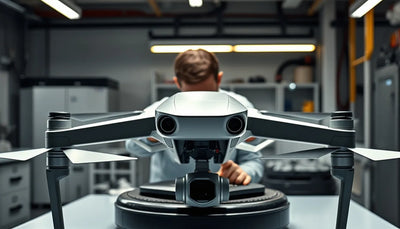
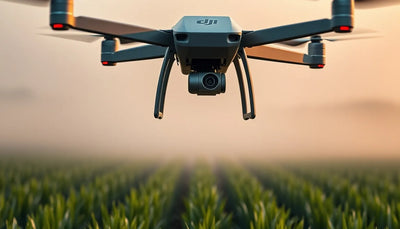
A new regulatory development is sending ripples through the commercial drone industry. According to a report from Yahoo, a retroactive ban could sweep Xtra and other suspected DJI clones off US shelves, potentially affecting drones already in use and those waiting in dealer inventory. The move, if enacted, would represent one of the most aggressive actions yet against drone brands that regulators believe are too close to Chinese drone giant DJI, which has faced mounting scrutiny from US authorities over national security concerns.
For drone buyers, fleet operators, and second-hand market participants, this is not a distant compliance story. It is a concrete event that may alter sourcing decisions, resale values, and repair strategies. While DJI’s official product lines remain subject to separate bans and restrictions, the retroactive application against clones introduces a new variable: uncertainty over whether any drone suspected of being a DJI derivative can remain on the market—or in the air—without legal risk.
The proposed retroactive ban and its scope
The Yahoo report indicates that the proposed ban targets Xtra and other drones that have been identified as suspected DJI clones. The retroactive nature is the critical detail. Unlike previous restrictions that applied only to newly imported units, this measure could reach back into existing stock, forcing both retailers and end users to remove affected drones from shelves and operations. The exact list of models has not been fully disclosed, but Xtra is named as a primary example. The ban would operate under the same regulatory authority that has already restricted DJI’s direct sales to US government agencies and recently placed certain DJI models on a telecommunications equipment ban list.
Operator checklist
Turn policy news into a safer fleet decision.
Before changing aircraft, compare repair paths, available DJI inventory, and trade-in timing against the rule change.

For commercial operators, this creates immediate inventory risk. If you are flying a drone that resembles a DJI design but carries a different brand badge, you may find yourself unable to source spare parts, obtain firmware updates, or even legally operate the aircraft. The source notes that regulators are concerned about the supply chain links between these clone brands and the same Chinese manufacturing ecosystems that support DJI. The implication is clear: the ban is not just about the brand name—it is about the underlying hardware and software lineage.
Implications for supply chain and OEM parts
The retroactive ban threatens to disrupt the availability of replacement parts for affected drones. Many suspected DJI clones share common components with official DJI models, but aftermarket supply relies on cross-border logistics that may now be blocked. Fleets that have invested in multiple units of Xtra or similar drones could find themselves grounded if OEM parts become unavailable or if import restrictions extend to spare components. This scenario mirrors what happened earlier when certain DJI models were banned from federal procurement—prices for official parts rose, and repair turnaround times lengthened as shops scrambled for genuine stock.
Reboot Hub analysis: For repair customers, the lesson is to verify the origin of replacement parts before committing to a purchase. If a drone is suspected of being a clone, even parts labelled as OEM may face legal obstacles in the future. Professional DJI repair services that rely on genuine DJI components are likely to see increased demand as operators shift away from clone-based fleets. The ban could accelerate a trend already underway: operators moving toward inspected pre-owned DJI drones for their fleets, because those units come with a clear provenance and access to the official parts channel.
What this means for drone buyers
For anyone currently evaluating a drone purchase—whether first-time buyer or fleet manager—the retroactive ban introduces a due diligence requirement that was less pressing before. It is no longer enough to check that a drone is not a known DJI clone; you must now consider the possibility that regulators will retroactively declare a model non-compliant. This uncertainty weighs heavily on drone buyers who want a durable investment rather than a gamble. The source does not specify enforcement timelines, but the direction is unmistakable: drones without clear, auditable supply chains face an elevated risk of being banned from US commerce.
One practical response is to favor drones with transparent component sources and a track record of US regulatory compliance. Pre-owned DJI drones that were originally sold through official distribution channels carry documentation that helps establish their legitimacy. Although DJI itself remains under regulatory pressure, its established models have known histories, and the parts ecosystem is mature. For fleet operators, the cost of switching to a clone brand may now outweigh the upfront savings, especially if the ban triggers sudden obsolescence. Drone buyers should also consider that resale value will likely drop for affected clones, making them a poor long-term asset.
Pre-owned DJI market and repair considerations
Reboot Hub analysis: The second-hand drone market stands to be reshaped by this regulatory move. If clones are removed from shelves, some buyers may rush to offload their Xtra units before any enforcement begins, flooding the private market with used drones of questionable legal status. Meanwhile, demand for verified, original DJI units could rise as operators seek alternatives that are not at risk of retroactive prohibition. This dynamic could create a bifurcation: a discount market for banned-or-soon-to-be-banned clones, and a premium market for pre-owned DJI drones with clean provenance. For sellers, timing matters. For buyers, the advice is to demand proof of original purchase and verify that the drone is not on any regulatory list.
From a repair perspective, the ban may reduce the availability of clone repair parts, driving business to shops that specialize in genuine DJI components. Professional repair services that use OEM-pulled parts and follow manufacturer specifications will be in a stronger position. Professional DJI repair services that can authenticate parts and maintain warranty compliance offer a path to extend the life of pre-owned DJI fleets. For clone owners, the window to repair existing units may be narrow if the ban restricts the import of replacement modules. The source does not provide a grace period, so proactive maintenance is recommended. Operators should also review their drone trade-in guide options to exchange affected clones for higher-confidence platforms before enforcement begins.
What should I do if I currently own an Xtra drone that may be affected by the ban?
Start by verifying the regulatory status of your specific model through official channels. If the ban is enacted retroactively, flying an affected drone could expose you to compliance risks. Consider contacting a professional DJI repair service to assess whether your unit can be converted or parted out, and explore trade-in programs that accept clones.
Will the ban affect the resale value of my pre-owned DJI drone?
It may increase the value of pre-owned DJI drones with clean histories, as operators seek alternatives to banned clones. However, DJI itself faces separate restrictions, so original DJI units are not immune to regulatory shifts. The key is to hold drones with clear documentation and avoid clones that lack traceable supply chains.
How can I ensure my drone repair shop uses genuine parts if clone parts become scarce?
Ask your repair provider to confirm they source components from authorized DJI distributors or directly from OEM-pulled inventory. Shops that specialize in professional DJI repair with genuine parts are better equipped to maintain compliance and performance. Avoid cheap replacements that may be clone parts themselves, as those could later fall under the same ban.