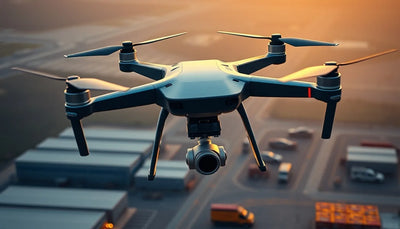
DJI s'associe à la New Zealand Rugby League pour la saison 2026
DJI devient le partenaire technologique officiel de la New Zealand Rugby League, fournissant drones, caméras Osmo et équipements de prise de vue pour les compétitions amateurs et les campagnes de la Coupe du monde. Ce partenariat témoigne de la demande croissante pour la couverture aérienne des événements sportifs.

DJI a signé en tant que partenaire technologique officiel de la Ligue néo-zélandaise de rugby pour la saison 2026, une décision qui place ses drones, caméras Osmo et équipements de tournage directement dans les compétitions de base et les campagnes de Coupe du monde des Kiwis, Kiwi Ferns et Wheel Kiwis. Annoncé en juillet 14, 2026,, l'accord représente plus qu'un parrainage : il représente une reconnaissance croissante du fait que l'imagerie aérienne et les outils cinématographiques compacts deviennent une infrastructure standard pour les organisations sportives.
Pour les opérateurs de drones commerciaux, les gestionnaires de flotte et les spécialistes de la réparation, ce partenariat est un indicateur clair de l'évolution de la demande. Lorsqu'une instance sportive nationale investit dans la technologie des drones et des caméras pour des événements d'élite et communautaires, cela crée un effet d'entraînement : davantage de clubs sollicitent des opérateurs, ces derniers requièrent du matériel fiable, et l'ensemble de l'écosystème nécessite maintenance et mises à niveau. Comprendre les contours de cet accord permet aux acheteurs et aux prestataires de services d'anticiper la direction du marché.
Un partenariat historique pour la couverture sportive par drone
La Ligue néo-zélandaise de rugby (NZRL) a fait appel à DJI pour toute la saison 2026, couvrant tout, des matchs de base locaux à la scène internationale de la Coupe du monde de rugby à XV. L'ensemble d'équipement comprend des drones DJI, des caméras Osmo et du matériel de réalisation de films – une vaste boîte à outils qui suggère que le NZRL a l'intention de produire du contenu de haute qualité à plusieurs niveaux du sport.
DJI buying context
Match product news to hardware you can actually deploy.
Check inspected DJI aircraft, repair support, and trade-in timing before deciding whether to upgrade, repair, or wait.

Il ne s'agit pas ici d'un simple sponsoring basé sur un seul drone. L'inclusion de caméras portables Osmo et d'accessoires de tournage indique un flux de production mêlant plans d'ensemble aériens, interviews de joueurs au sol et contenus en coulisses. Pour les acheteurs de drones, cette approche intégrée renforce la valeur d'un écosystème de caméras polyvalent plutôt que d'un aéronef autonome. Les opérateurs capables d'offrir des services cinématographiques tant aériens qu'au sol deviennent plus attractifs pour les clients sportifs.
D'un point de vue commercial, ce partenariat valide la prémisse selon laquelle les ligues sportives professionnelles et semi-professionnelles sont prêtes à s'engager auprès d'un fournisseur technologique unique pour une saison complète. Cet engagement crée des opportunités pour les prestataires de services de drones locaux, qui peuvent proposer des forfaits de production similaires aux petits clubs, écoles et associations régionales n'ayant pas le budget de NZRL, mais ayant tout de même besoin de contenus vidéo percutants pour leurs sponsors, le recrutement et l'engagement des fans.
Implications pour les exploitants de flotte et les services de réparation
Lorsqu'un partenaire technologique comme DJI fournit du matériel pour une saison complète de matchs, du niveau amateur à la Coupe du monde, l'équipement est soumis à une utilisation intensive. Les drones volent sous des conditions météorologiques variables, au-dessus de stades bondés et de terrains isolés. Les caméras Osmo sont manipulées par plusieurs membres d'équipe. Les batteries subissent des cycles de charge quotidiens. Cette intensité d'usage garantit que le marché des services de réparation professionnels de drones croîtra en parallèle.
Les exploitants de flotte doivent noter que la production sportive exige une réactivité immédiate. Un drone immobilisé durant un week-end de match peut priver une ligue de ses images et coûter son contrat à l'opérateur. Cela renforce la nécessité d'un accès à la réparation professionnelle DJI avec des pièces d'origine, d'autant plus lorsqu'une instance sportive nationale dépend de l'opérationnalité du matériel. Pour les ateliers de réparation, la capacité à intervenir rapidement sur les drones DJI et les caméras Osmo devient un avantage concurrentiel majeur.
De plus, ce partenariat pourrait inciter davantage d'organisations sportives à acheter plutôt qu'à louer des drones, surtout pour un usage annuel. Cela augmentera le volume de drones DJI d'occasion entrant sur le marché après une ou deux saisons, au moment où les ligues migreront vers des modèles plus récents. Les acheteurs recherchant des unités d'occasion inspectées peuvent profiter de ce cycle, à condition de vérifier que le matériel a été correctement entretenu et calibré.
Les opérateurs souhaitant décrocher des contrats sportifs similaires devraient envisager d'établir un partenariat avec un spécialiste de la réparation avant d'en avoir besoin. Savoir qui peut fournir des pièces de rechange d'origine OEM — des hélices et nacelles aux cartes internes — permet de réduire les temps d'immobilisation en cas de panne d'un composant critique. Le partenariat NZRL souligne que la fiabilité n'est pas une option, mais une exigence contractuelle.
Ce que cela signifie pour les acheteurs de drones
Pour quiconque envisage l'achat d'un drone pour le tournage sportif, l'accord de NZRL constitue une référence concrète. L'équipement de DJI est utilisé à un niveau d'élite, mais ce même matériel est accessible aux opérateurs indépendants. Bien que le partenariat ne précise pas les numéros de modèles, la mention de drones et de caméras Osmo suggère que les options les plus performantes des gammes grand public et prosumer de DJI sont déployées.
Les acheteurs doivent évaluer leurs propres besoins. Si vous prévoyez de couvrir régulièrement des événements sportifs, recherchez des drones dotés d'un système d'évitement d'obstacles fiable, d'une grande autonomie de vol et de la capacité de transporter une caméra sur nacelle capable de produire des images de qualité diffusion. Pensez également à l'écosystème Osmo pour les prises de vue au sol. Un flux de travail cohérent entre un drone et une caméra portable simplifie le montage et réduit le nombre d'appareils à gérer.
Pour ceux qui disposent d'un budget plus restreint, le marché de l'occasion est une option viable. Comme des organisations telles que NZRL renouvellent souvent leur flotte toutes les saisons ou tous les deux ans, des drones DJI d'occasion et bien entretenus deviennent disponibles. Lors de l'achat d'équipement d'occasion, demandez systématiquement les journaux de vol et l'historique d'entretien. Un drone intensément utilisé dans la production sportive peut présenter des batteries ou des moteurs de nacelle usés ; une inspection approfondie ou une réparation professionnelle DJI évaluation est donc judicieuse avant tout engagement.
Les acheteurs doivent également prendre en compte le coût des accessoires — batteries supplémentaires, filtres ND et valises de transport robustes — essentiels pour les tournages sportifs. Le partenariat NZRL souligne que la production sportive ne s'improvise pas avec un seul drone et une seule batterie ; la redondance et les pièces de rechange sont indispensables. C'est là qu'une planification rigoureuse et un budget précis font la différence entre un tournage réussi et une opportunité manquée.
Le marché de l'occasion DJI et la valeur à long terme
Analyse Reboot Hub : À mesure que l'équipement DJI est déployé à grande échelle dans le sport, le marché de l'occasion bénéficie d'une offre accrue d'unités utilisées professionnellement. Bien que certaines puissent présenter une usure esthétique, beaucoup ont probablement été entretenues selon des normes strictes, car le matériel doit être parfaitement fiable pour des événements télévisés. Cela crée un segment de drones d'occasion situé entre le matériel grand public et les surplus militaires.
Pour les opérateurs souhaitant étendre leur flotte sans investir dans du neuf, c'est un compromis attractif. Un drone ayant enregistré quelques centaines d'heures de tournage sportif, mais ayant fait l'objet d'un entretien régulier avec des pièces de rechange d'origine OEM, peut offrir un excellent rapport qualité-prix. L'essentiel est de vérifier que l'unité d'occasion n'a subi aucun crash et n'a pas été exposée à l'humidité. Un marché de drones DJI d'occasion proposant des rapports d'état détaillés et des données sur les heures de vol devient alors une ressource précieuse.
Les gestionnaires de flotte devraient également envisager une stratégie de reprise. Si vous possédez actuellement du matériel DJI plus ancien que vous envisagez de remplacer, le calendrier coïncide avec la saison NZRL. Mettre à jour votre équipement maintenant vous permet de vendre votre ancien matériel alors que la demande pour les drones adaptés au sport est forte. Un guide de reprise de drones peut vous aider à estimer la valeur de votre matériel actuel et à planifier cette transition sereinement.
En fin de compte, le partenariat DJI-NZRL confirme la demande durable pour la couverture aérienne sportive. Il indique aux acheteurs de drones, aux clients du service après-vente et aux gestionnaires de flotte qu'investir dans l'écosystème DJI est un choix stratégique à long terme. L'équipement sera intensément sollicité, nécessitera un support professionnel et finira par intégrer le marché de l'occasion — un cycle bénéfique pour tous les acteurs responsables.
Quels modèles spécifiques de DJI sont utilisés dans le cadre du partenariat NZRL ?
L'annonce ne précise pas les numéros de modèle exacts. Elle mentionne globalement les drones DJI, les caméras Osmo et le matériel de tournage. Les acheteurs peuvent s'attendre à ce que l'équipement utilisé provienne de la gamme professionnelle actuelle de DJI, incluant probablement la série Mavic pour les prises de vue aériennes et les modèles Osmo Pocket ou Osmo Action pour les contenus au sol.
Comment un petit club sportif peut-il bénéficier d'une couverture par drone similaire sans sponsoring majeur ?
Les petits clubs peuvent s'associer à des prestataires de services de drones locaux ou investir dans un seul drone DJI d'occasion et une caméra Osmo. L'accord NZRL démontre la valeur ajoutée que peut apporter le contenu aérien. Les opérateurs peuvent proposer des forfaits abordables combinant images aériennes et terrestres, rendant cette technologie accessible même au niveau amateur.
Ce partenariat augmentera-t-il la valeur de revente des drones DJI utilisés dans le sport ?
Analyse Reboot Hub : Cela pourrait créer une surcote pour les drones bien entretenus, avec peu d'heures de vol, ayant servi dans des contextes sportifs professionnels. Cependant, la valeur de revente générale dépend de l'état et de la demande. Les acheteurs doivent se concentrer sur l'historique de vol vérifié et les registres d'entretien avec pièces d'origine, plutôt que de présumer d'une prime simplement parce que le drone a été utilisé dans le sport.
Sources consultées
- DroneXL.co - primary source
- DIU Blue UAS - official government source
Reboot Hub Editorial propose des analyses d'achat, de réparation, de revente et d'exploitation pour les propriétaires de drones. Si vous constatez une erreur, contactez-nous pour une demande de correction conformément à notre politique éditoriale.