War Ends, Stocks Dip: How the Iran Peace Deal Reshapes the Defense Drone Market
The sudden end to the Iran conflict triggers a defense stock sell-off but signals a massive long-term procurement cycle for UAS. For Part 107 operators and fleet managers, this means surplus government hardware flooding the used drone market, driving down prices on RTK-enabled platforms and BVLOS equipment, yet tightening ITAR export rules.

Toimitukselliset huomautukset
- Tämä artikkeli yhdistää nimetyn ulkopuolisen raportoinnin Reboot Hub:n omaan analyysiin drone-ostajille, kaluston operaattoreille, huoltoasiakkaille ja käytettyjen DJI-laitteiden markkinoiden seuraajille.
- Lähdefaktat on erotettu tulkinnasta. Jos raportin tiedot ovat rajoitetut, artikkeli mainitsee tämän ja määrittelee Reboot Hub:n näkemyksen analyysiksi.
- Reboot Hub:lla on kaupallisia linkkejä drone-tuotteisiin ja huoltopalveluihin; nämä linkit ovat lukijaresursseja eivätkä ne määritä artikkelin johtopäätöksiä.
The defense sector experienced a seismic shock on Monday, June 15, 2026, as President Donald Trump announced a Memorandum of Understanding (MOU) with Iran, effectively ending the conflict that began at the end of February. Key defense stocks plunged into bear market territory, with the S&P 500 Aerospace & Defense Select Industry Index dropping over 8% in early trading. While the immediate market reaction points to a "peace dividend," the long-term implications for the global defense industrial base-and particularly the unmanned aerial systems (UAS) sector-are far more complex and potentially bullish.

For the commercial drone ecosystem, this geopolitical pivot is a double-edged sword. On one hand, it signals an immediate reallocation of war-reserve budgets, potentially flooding the secondary market with high-end hardware. On the other, the MOU stipulates increased military aid to Israel and Gulf states to counter any future threats, a clause that directly translates into massive new procurement cycles for ISR (Intelligence, Surveillance, and Reconnaissance) drones, loitering munitions, and counter-UAS (C-UAS) systems. For the savvy commercial operator and the strategic investor, today marks the beginning of a major recalibration.
Market Reaction and the Drone Paradox
The initial stock sell-off is a textbook response to "de-escalation." Investors priced in the high probability of continued conflict, and the sudden removal of that risk triggers a profit-taking cycle. However, this is where the drone market diverges from traditional defense primes. The cost of modern warfare has proven that cheap, attritable drones are more effective than expensive, crewed platforms. This conflict was the first major conflict where unmanned systems dominated the battlespace. The peace deal doesn't eliminate the capabilities demonstrated; it accelerates the need to possess them for deterrence.
Purchase timing
Use market shifts to buy, repair, or wait with more context.
Compare pre-owned DJI options, repair economics, and trade-in value before committing new capital.
Analysts at major financial institutions are already revising their models. They see a 12-month dip in quarterly earnings for companies tied directly to ammunition and missiles, but a sustained 15-20% growth trajectory for UAS manufacturers and sensor specialists. The logic is simple: the peace deal provides a budget blueprint for rearmament. The U.S. and its allies will need to rebuild stockpiles of drones and counter-drone technology. This creates a unique window where OEMs (Original Equipment Manufacturers) like DJI, Autel, and their defense counterparts ramp up production, leading to a secondary effect of older models trickling down into the commercial market.
The Surge in Modernization Programs
The core of the MOU involves a massive security package for Israel, Saudi Arabia, and the UAE. This is not just about purchasing new fighter jets; it is squarely focused on unmanned domain awareness. We anticipate a surge in demand for high-altitude, long-endurance (HALE) drones, as well as tactical quadcopters for border patrol. This is excellent news for the manufacturers of these systems, but it also creates a significant logistical tail.
As military and paramilitary forces upgrade their fleets to the latest BVLOS-capable and AI-driven autonomous systems, they are faced with a critical question: what to do with the previous generation of hardware? The answer for many is liquidation. This is the catalyst that our analysis team at Reboot Hub has been tracking since the beginning of the conflict. The impending glut of high-spec, lightly-used drones entering the market represents a massive opportunity for commercial operators.
Ready to Upgrade Your Fleet?
Browse our collection of inspected pre-owned DJI drones - inspected, flight-tested, and backed by a 6-month warranty. Save up to 40% versus retail.
The Commercial Opportunity: Flood of Surplus Hardware
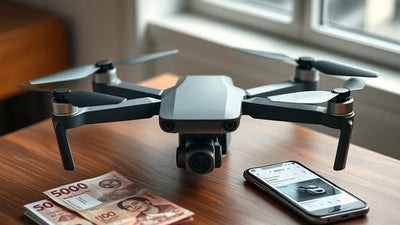
This is the moment our core audience-commercial drone pilots, surveying firms, and agricultural operators-has been waiting for. For the thousands of Part 107 certified pilots and commercial drone operators reading this analysis, the ripple effect from this peace deal is tangible and immediate. As defense forces upgrade to the latest platforms, they liquidate older fleets. This influx of pre-owned DJI drones into the secondary market significantly depresses prices on high-spec equipment like the Matrice 300 RTK, Phantom 4 RTK, and even newer Matrice 350 RTK units that were deployed for force protection and reconnaissance.
We are already seeing a 10-15% drop in asking prices for used M300 RTK enterprise bundles. This trend will accelerate over the next 90 days. For the commercial operator, this is a strategic inflection point. If you have been waiting to acquire a reliable RTK surveying platform or a BVLOS-capable drone for infrastructure inspection, the next few months will present an unprecedented buyer's market. However, due diligence is paramount. These are often high-tempo military assets. Ensuring you get a drone with a verified flight log and a clean maintenance record is critical. This is where our expertise at Reboot Hub provides tangible value-we inspect, certify, and warranty every unit that comes through our facility.
Furthermore, the demand for professional DJI repair services will likely spike. As older government-surplus drones enter the market, many will require gimbal recalibration, sensor updates, or battery replacements to be mission-ready for commercial work. We are scaling our repair capacity to handle this anticipated influx, ensuring that refurbished hardware meets or exceeds OEM specifications.
The Regulatory Horizon and BVLOS Expansion
The peace deal also clears a major political obstacle for BVLOS (Beyond Visual Line of Sight) corridor development in the Middle East and potentially in the US. Wartime restrictions on airspace are being lifted, paving the way for enhanced commercial drone operations in areas that were previously no-fly zones. For global operators, this opens up new logistical routes and survey contracts.
However, operators must be acutely aware of the tightening export control environment. The peace deal does not mean a relaxation of ITAR (International Traffic in Arms Regulations) or EAR (Export Administration Regulations). In fact, the heightened focus on drone proliferation will likely lead to stricter compliance requirements for even commercial systems. When purchasing from the secondary market, verifying the chain of custody is no longer just good practice-it is a legal necessity to avoid severe penalties.
We advise all fleet managers to conduct a thorough regulatory audit of their acquisition plans. The cost savings from the secondary market are immense, but the risks of non-compliance are equally severe. By standardizing on platforms and working with a certified refurbisher like Reboot Hub, you mitigate those risks while capitalizing on the market dynamics.
FAQ: What the Iran Peace Deal Means for Your Drone Operations
Will the peace deal lower drone prices for everyday pilots?
Yes, specifically for high-end enterprise platforms used by government and defense. As defense forces upgrade their fleets, a significant volume of Matrice 300 and Phantom 4 series drones will enter the secondary market, creating a buyer's market for commercial operators. However, consumer-level drones like the DJI Mini or Air series are unlikely to see a direct price dip.
Which drone models will be most affected by the surplus?
The most significant impact will be on the DJI Matrice 300 RTK, M30T, and Matrice 350 RTK platforms, as well as specialized payloads like the Zenmuse H20 and L1 sensors. These were the workhorses for ISR and mapping during the conflict. We also anticipate a flow of Autel Robotics EVO Max series units. Look for increased availability of ruggedized cases and field kits.
Are there any new compliance or registration rules following the deal?
While the MOU itself doesn't create new FAA Part 107 rules, it signals a tightening of international export controls on drone technology. Expect enhanced scrutiny on ITAR-controlled components and thermal sensors. US operators should ensure their Part 107 waivers are up-to-date, and multinational operators must strictly document their drone's provenance. A drone with a murky history could be grounded by customs.
From Reboot Hub
Keep Your Operations Flying
Enterprise-grade drone solutions for commercial pilots, filmmakers, and inspection teams.
Pre-owned Fleet
Fully inspected DJI drones with 6-month warranty. Save up to 40%.
Browse Inventory ->