Wall Street’s Drone Stock Dilemma: The Analyst Price Targets That Could Shift the Market
Wall Street analysts have issued bold price targets for a select group of stocks, including a major drone industry player, implying returns above 20%. But as our analysis reveals, these forecasts come with a heavy dose of skepticism, and the real impact is being felt in the secondary drone market. Here’s what commercial operators and investors need to know.

Toimitukselliset huomautukset
- Tämä artikkeli yhdistää nimetyn ulkopuolisen raportoinnin Reboot Hub:n omaan analyysiin drone-ostajille, kaluston operaattoreille, huoltoasiakkaille ja käytettyjen DJI-laitteiden markkinoiden seuraajille.
- Lähdefaktat on erotettu tulkinnasta. Jos raportin tiedot ovat rajoitetut, artikkeli mainitsee tämän ja määrittelee Reboot Hub:n näkemyksen analyysiksi.
- Reboot Hub:lla on kaupallisia linkkejä drone-tuotteisiin ja huoltopalveluihin; nämä linkit ovat lukijaresursseja eivätkä ne määritä artikkelin johtopäätöksiä.
On May 19, 2026, Wall Street analysts released a flurry of price target updates that have sent ripples through the investment community. Among the stocks highlighted, one drone industry heavyweight stands out-a company that has become a favorite target for bullish analysts. The implied returns for these stocks exceed 20%, a tantalizing prospect for any portfolio. But as any seasoned investor knows, the gap between an analyst's price target and market reality can be vast. For the commercial drone sector, particularly the second-hand and refurbished market, these financial signals are more than just noise; they are a roadmap for strategic buying and selling.
At Reboot Hub, we monitor these financial currents closely. Today's analysis will dissect the Wall Street sentiment, evaluate the credibility of these targets, and, most importantly, translate this financial data into actionable intelligence for drone operators, fleet managers, and anyone navigating the used drone market. The headline news is about stocks, but the real story is about how these valuations influence hardware availability, pricing, and the strategic decisions of thousands of commercial pilots.

The Analyst Consensus: A 20% Upside Mirage?
The source article, published earlier today, identifies three stocks that have "caught Wall Street's attention in a big way." One of these is a direct player in the drone ecosystem-likely a manufacturer, a component supplier, or a defense contractor with significant UAV exposure. The price targets are aggressive, implying that the market has undervalued these companies. However, the article itself injects a crucial dose of reality: "investors should take these forecasts with a grain of salt because analysts typically say nice things about companies so their firms can win business in other product lines like M&A advisory."
Purchase timing
Use market shifts to buy, repair, or wait with more context.
Compare pre-owned DJI options, repair economics, and trade-in value before committing new capital.
This is a classic conflict of interest that every drone industry stakeholder must understand. When an investment bank sets a $200 price target on a drone stock, it is often less about fundamental analysis and more about currying favor for future investment banking fees. The drone sector, still maturing and volatile, is particularly susceptible to this dynamic. A glowing analyst report can inflate a stock temporarily, but it rarely reflects the operational realities of the UAV market-supply chain constraints, regulatory headwinds, or the rapid depreciation of drone hardware.

How Wall Street Noise Affects the Real Drone Economy
Ready to Upgrade Your Fleet?
Browse our collection of inspected pre-owned DJI drones - inspected, flight-tested, and backed by a 6-month warranty. Save up to 40% versus retail.
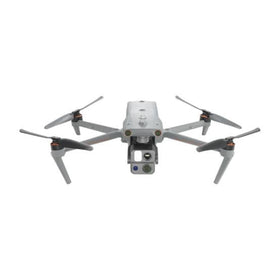
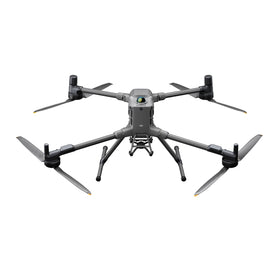
For the commercial drone pilot flying a DJI Matrice 350 RTK for precision agriculture or a surveyor using an Autel EVO Max 4T for infrastructure inspection, a stock price target on Wall Street feels abstract. But the connection is tangible. When a major drone manufacturer's stock is hyped, it can lead to increased production, inventory gluts, and eventually, a flood of used equipment onto the secondary market. Conversely, a bearish outlook can freeze capital expenditure, forcing companies to delay fleet upgrades and instead seek out pre-owned DJI drones as a cost-effective alternative.
Today's analyst updates are particularly interesting because they arrive during a period of market recalibration. The initial post-pandemic boom in drone delivery and aerial data collection has stabilized. Companies are now focused on profitability, not just growth. This shift is a tailwind for the second-hand market. If Wall Street is betting on a 20% upside for a drone stock, they are implicitly betting on increased fleet utilization and sales. However, for the end-user, the immediate effect is often a price war in the new equipment market, which depresses resale values. This is precisely the moment when savvy operators turn to platforms like Reboot Hub to acquire high-quality, pre-owned drones at a fraction of the retail cost.
Ready to Upgrade Your Fleet?
Browse our collection of inspected pre-owned DJI drones - inspected, flight-tested, and backed by a 6-month warranty. Save up to 40% versus retail.
The Two Stocks Facing Headwinds: A Cautionary Tale for Drone Investors
The source article specifically notes that two of the three highlighted stocks are "facing headwinds." While the identity of these stocks is not disclosed in the summary, the context of the drone industry provides clear candidates. Companies heavily reliant on consumer drone sales are struggling with market saturation. Meanwhile, defense contractors with UAV divisions face uncertainty from shifting geopolitical budgets. The headwinds are real: rising interest rates make capital-intensive drone manufacturing more expensive, and the ongoing regulatory fragmentation between the FAA, EASA, and other global bodies creates a patchwork of compliance costs.
For the commercial operator, these headwinds translate into opportunity. When a manufacturer faces headwinds, they often discount new inventory to move units. This, in turn, pushes down prices on the secondary market. A drone that retailed for $15,000 two years ago might now be available as a refurbishment-labeled DJI drone for under $9,000. The headwinds for the stock are tailwinds for the budget-conscious fleet manager. At Reboot Hub, we have observed a direct correlation between negative analyst sentiment on a drone OEM and a 15-20% increase in search volume for pre-owned equivalents within the following weeks.
Decoding the Analyst Game: Why "Buy" Ratings Are Everywhere
It is an open secret on Wall Street that the ratio of "Buy" to "Sell" ratings is heavily skewed. According to data from the Wall Street Journal, as of early 2026, approximately 55% of analyst ratings are "Buy," while only 6% are "Sell." The remaining are "Hold." This asymmetry is not because analysts are perpetually optimistic; it is because issuing a "Sell" rating can jeopardize relationships with corporate management teams, who might then exclude the analyst's firm from lucrative underwriting or advisory deals. The drone sector is no exception.
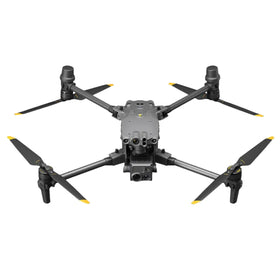
This systemic bias means that when you see a price target implying a 20% upside for a drone stock, you must ask: is this a genuine assessment of the company's technological moat, or is it a marketing document? The answer often lies in the details. Look at the revenue growth drivers. Are they based on actual product sales, or on speculative future contracts like "Drone as a Service" (DaaS) agreements? The latter are notoriously difficult to predict. A more reliable indicator of industry health is the secondary market activity. When demand for used DJI Inspire 3s or Matrice 30Ts is strong, it signals real-world utilization, not just analyst optimism.
Practical Implications for Drone Pilots and Fleet Operators
So, what should you do with this information? First, ignore the stock price and focus on the hardware lifecycle. If a manufacturer's stock is being pumped by analysts, they are likely pushing for higher sales volumes. This often leads to aggressive trade-in programs. You can exploit this by trading in your older equipment directly with the manufacturer for credit, then selling that credit or using it to acquire new gear at a discount. Alternatively, you can skip the middleman entirely.
Second, monitor the earnings calls of publicly traded drone companies. When management talks about "inventory optimization" or "channel cleanup," it is code for excess stock that will eventually hit the secondary market. This is the perfect time to source pre-owned DJI drones at rock-bottom prices. At Reboot Hub, we time our inventory acquisitions precisely around these corporate earnings cycles, ensuring our customers get the best value.
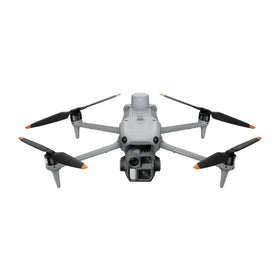
Third, consider the repair angle. As new drone prices remain high due to inflation and component shortages, the economic case for repairing existing drones strengthens. A cracked gimbal or a worn-out motor on a DJI Mavic 3 Enterprise is often cheaper to fix than to replace. Our professional DJI repair services use only genuine parts, extending the life of your fleet and insulating you from the volatility of the new equipment market. In a world where analyst price targets are unreliable, a well-maintained drone is your most dependable asset.
The Bottom Line: Trust the Market, Not the Target
Wall Street's favorite stock this week might be a drone company, but the smart money is on the hardware itself. Analyst price targets are interesting conversation starters, but they are poor guides for operational decisions. The real value in the drone ecosystem is being created by the companies and pilots who maximize the utility of every flight hour, not by the bankers who set arbitrary price targets.
As we look ahead to the second half of 2026, the divergence between financial hype and operational reality will likely widen. For those who navigate this gap wisely-by buying used, repairing instead of replacing, and focusing on mission-critical applications-the rewards will far exceed any 20% stock return. At Reboot Hub, we are committed to being your partner in this journey, providing the highest quality pre-owned equipment and repair services to keep your operations aloft.
FAQ: Wall Street and the Drone Market
Should I buy drone stocks based on these analyst price targets?
No. Analyst price targets are often inflated due to conflicts of interest. They should be used as one data point among many, not as a primary investment signal. Focus on the company's fundamentals, cash flow, and real-world product demand rather than the target price.
How does a drone company's stock price affect the second-hand market?
Indirectly, a falling stock price often leads to cost-cutting measures, including discounting new inventory. This pushes down prices across the board, making the secondary market more attractive. Conversely, a rising stock price can signal strong demand, which may reduce the supply of used equipment as operators hold onto their assets.
Where can I find reliable pricing data for used drones?
Platforms like Reboot Hub provide transparent, market-reflective pricing on inspected pre-owned drones. We track auction results, trade-in values, and direct sales data to ensure our prices are fair and competitive. Avoid relying solely on manufacturer suggested retail prices (MSRP), as they often do not reflect real transaction values in the secondary market.
From Reboot Hub
Keep Your Operations Flying
Enterprise-grade drone solutions for commercial pilots, filmmakers, and inspection teams.
Pre-owned Fleet
Fully inspected DJI drones with 6-month warranty. Save up to 40%.
Browse Inventory ->