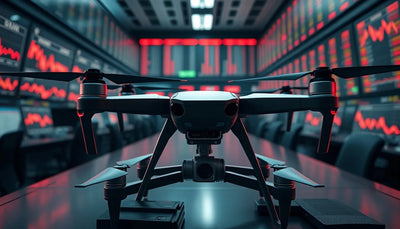
Yksi keskikokoinen drone-osa katsottavaksi ja kaksi huomioimatta
Kratos (KTOS) erottuu edukseen keskisuurten yhtiöiden puolustusdrone-kalustosta keskellä tiukkaa kilpailua suurempien ensiluokkaisten yritysten ja startup-yritysten kanssa. Tämä analyysi selittää, mitä ostajien, kalustooperaattoreiden ja käytettyjen DJI-markkinoiden tulee ottaa huomioon.

Äskettäisessä taloudellisessa analyysissä Yahoo Finance kiinnitti huomion keskisuurten yhtiöiden puolustusosakkeeseen, jota kannattaa seurata tarkasti: Kratos Defense & Security Solutions (KTOS). Raportissa todettiin, että monet keskisuuret yritykset ylpeilevät vakiintuneilla liiketoimintamalleilla ja laajoilla markkinamahdollisuuksilla, mutta niiden polku $100 miljardiin yritykseksi on täynnä kilpailua – sekä alan jättiläisten, joilla on valtavat resurssit, että ketterien nousujohteisten taholta, jotka haluavat häiritä status quon. Drone-alan ammattilaisille tällainen sektorianalyysi tarjoaa enemmän kuin vain investointisignaaleja; se paljastaa, kuinka kilpailupaineet puolustuslennokkien areenalla voivat heijastua toimitusketjujen, teknologian käyttöönoton ja miehittämättömien lentokoneiden laajemmilla markkinoilla, mukaan lukien aiemmin omistettu DJI-ekosysteemi.
Kratos puolustusdroonimaisemassa
Kratos on yritys, jonka valikoimaan kuuluu miehittämättömiä ilmajärjestelmiä, satelliittiviestintää ja ohjuspuolustustuotteita. Yahoo Financen artikkelissa Kratos asetetaan nimenomaan keskisuurten yhtiöiden osakkeeksi, jota sijoittajien tulisi pitää silmällä, ja samalla ehdotetaan, että kaksi muuta nimeämätöntä keskisuurten yhtiöiden puolustusosaketta voivat olla vähemmän lupaavia. Lähdetiedot korostavat, että keskisuurilla yrityksillä on "vakiintuneita liiketoimintamalleja" ja "laajentuneita markkinamahdollisuuksia", mikä sopii Kratosin rooliin miehittämättömien kohdedroneiden, taisteludroneiden ja muiden huippuluokan järjestelmien tarjoajana Yhdysvaltain puolustusministeriölle ja liittoutuneille maille. Kaupallisille drone-operaattoreille Kratosin kaltaisen yrityksen menestys on tärkeä, koska se vaikuttaa innovaation nopeuteen autonomiassa, anturien integroinnissa ja suojatussa viestinnässä – tekniikoissa, jotka usein suodattuvat korkealuokkaisiin kaupallisiin alustoihin ajan myötä. Samaan aikaan Kratos kilpailee suoraan suurten pääurakoitsijoiden, kuten Northrop Grummanin ja Boeingin, sekä pienempien, ketterämpien startup-yritysten kanssa puolustusteknologian alalla. Tämä kilpailu voi nopeuttaa kehityssyklejä ja joissakin tapauksissa alentaa kustannuksia sotilaslaatuisille komponenteille, jotka lopulta tulevat saataville jälkimarkkinoilla. Lähde kuitenkin varoittaa myös, että monet keskisuuret yritykset kohtaavat merkittäviä kilpailuesteitä, mikä tarkoittaa, että kaikki puolustusalan drone-varastot eivät muutu luotettavaksi laitteistoksi tai pitkäaikaiseksi tueksi laivastooperaattoreille.
Kilpailupaineet muokkaavat UAV-teollisuutta
Yahoo Financen analyysissä keskisuurten osakkeiden kilpailutilanne kuvataan nimenomaisesti "kypsäksi kilpailulle, joka ulottuu jättiläisistä, joilla on valtavat resurssit, ketteriin nousujohteisiin, jotka haluavat häiritä." Tämä koskee suoraan miehittämättömiä lentokoneita. Suuret puolustusvoimat voivat hyödyntää valtavia tutkimusbudjetteja ja vakiintuneita hallitussuhteita, kun taas startup-yritykset voivat liikkua nopeasti ilman perinteistä byrokratiaa. Kratosille tämä tarkoittaa, että sen on jatkuvasti innovoitava alustoilla, kuten XQ-58A Valkyrie tai BQM-177A-kohdedrone säilyttääkseen asemansa. Ostajan näkökulmasta tällainen kilpailu johtaa usein siihen, että markkinoille tulee tehokkaampia droneja eri hintapisteissä. Laivastopäälliköiden ja hankintapäälliköiden tulisi seurata, mitkä puolustusdrone-ohjelmat saavat vetoa, koska onnistuneet ohjelmat synnyttävät usein kaupallisia johdannaisia tai johtavat ylimääräisiin sotilaslaitteistoihin, jotka voidaan hankkia alennuksella. Lähdetiedot eivät anna tarkkoja taloudellisia lukuja tai tuotenimiä, mutta yleinen havainto on selvä: puolustusalan kilpailusta tietoinen pysyminen auttaa kaupallisia toimijoita ennakoimaan teknologian muutoksia ja mahdollisia toimitusketjun häiriöitä. Jos esimerkiksi suuri puolustusalan urakoitsija voittaa suuren drone-sopimuksen, se voi hallita tiettyjen komponenttitoimittajien tuotantokapasiteettia, mikä johtaa kaupallisten droonien osien pidempään toimitusaikaan. Päinvastoin, urakan voittanut urakka voi ottaa käyttöön uusia valmistusmenetelmiä, jotka vähentävät kustannuksia ajan myötä.
Fleet readiness
Keep DJI hardware available without overbuying new units.
Use defense and fleet news as a planning signal for repair support, inspected pre-owned aircraft, and replacement timing.

Mitä tämä tarkoittaa droonien ostajille
Kaupallisille droonien ostajille – olitpa sitten käytössä pienellä DJI-droneilla tai suuren yrityksen käyttöönotolla – puolustusdroonimarkkinoiden kilpailudynamiikalla on käytännön vaikutuksia. Ensinnäkin, jos Kratosin kaltaiset yritykset jatkavat kestävyyden, autonomian ja hyötykuorman integroinnin rajojen työntämistä, nämä ominaisuudet valuvat lopulta kaupalliseen sektoriin, vaikkakin viiveellä. Välitön ja kustannustehokkain vaihtoehto monille operaattoreille on kuitenkin edelleen käytetty DJI-markkina. DJI-alustat, kuten Mavic 3, Matrice 300, tai Phantom 4, ovat kypsiä, laajasti tuettuja ja hyötyvät laajasta ekosysteemistä käytettyjä DJI droneja jotka on ammattimaisesti tarkastettu ja valmiita huoltoon. Vaikka puolustukseen keskittyvä laitteisto on jännittävää, se on usein kohtuuttoman kallista ja suunniteltu tiettyihin sotilaallisiin tehtäviin, jotka eivät välttämättä sovi kaupallisiin sovelluksiin, kuten kartoitus, tarkastus tai yleinen turvallisuus. Toiseksi lähde muistuttaa meitä siitä, että kaikki keskisuurten yhtiöiden puolustusosakkeet eivät menesty. Drone-ostajana sinun tulee perustaa ostopäätökset todistettuun luotettavuuteen ja käytettävissä oleviin korjausverkostoihin spekulatiivisten markkinatarinoiden sijaan. Kun budjettirajoituksia ilmenee, drone-vaihto voi olla fiksu tapa päivittää uudempiin malleihin ilman riskiä investoida testaamattomaan laitteistoon. Harkitse konsultointia a drone-vaihto-opas arvioidaksesi laivastollesi parhaan tien eteenpäin. Lopuksi, pidä silmällä Kratosia ja muita puolustusvoimien dronepelaajia teknologiatrendeissä, mutta luota vakiintuneisiin alustoihin päivittäisessä toiminnassa.
Vaikutukset käytettyihin drone-markkinoihin ja korjausekosysteemiin
Puolustusdrone-sektori toimii valtion sopimusten ja turvaluokiteltujen ohjelmien pohjalta, jotka eivät yleensä ruoki suoraan kaupallisia käytettyjen tavaroiden markkinoita. Lähteessä kuvattu kilpailu voi kuitenkin epäsuorasti vaikuttaa käytettyyn DJI-markkinoihin ja korjauspalveluihin. Jos esimerkiksi suuri puolustusalan urakoitsija kehittää uuden autonomisen lentoalgoritmin, tämä teknologia voidaan lopulta lisensoida kaupallisille drone-valmistajille, mikä lisää uudempien kaupallisten droonien arvoa ja saattaa mahdollisesti tehdä vanhoista malleista helpommin saataville vaihto- tai ylijäämänä. Lisäksi Kratosin kaltaisten puolustusalan drone-yritysten taloudellinen tilanne voi viestiä laajemmista taloudellisista suuntauksista ilmailu- ja avaruusteollisuudessa, mukaan lukien raaka-aineiden ja ammattitaitoisen työvoiman saatavuus. Kun puolustusmenot ovat voimakkaita, komponenttipula voi joskus nostaa kaupallisten droonien osien ja valmistuksen hintoja ammattimaiset DJI-korjauspalvelut houkuttelevampi vaihtoehto kuin uuden ostaminen. Toisaalta, jos puolustusalan urakoitsijat kohtaavat budjettileikkauksia, ylimääräisiä sotilaallisia droneja voi tulla siviilimarkkinoille, vaikka tämä on harvinaista ja usein rajoitettua. Kalustooperaattoreille käytännönläheinen asia on ylläpitää joustava hankintastrategia. Käytössä oleva DJI-markkina tarjoaa ennustettavia kustannuksia ja laajan saatavuuden, kun taas puolustussektori tarjoaa kurkistuksen tulevaisuuden ominaisuuksiin. Pysymällä ajan tasalla keskisuurten yhtiöiden osakkeista, kuten Kratosista, drone-ostajat voivat ajoittaa osto- ja palvelupäätöksensä paremmin. Lähde korostaa, että on tärkeää olla tietoinen kaikista UAV-alan kilpailuvoimista, jopa pääasiassa puolustusalalla toimivista, koska ne vaikuttavat viime kädessä kaupalliseen maisemaan, jossa käytetyt droonit ja korjauspalvelut menestyvät.
Onko Kratos katsomisen arvoinen drone-osake?
Yahoo Finance -analyysin mukaan Kratos (KTOS) on keskisuurten yhtiöiden puolustusosake, jolla on vakiintuneet liiketoimintamallit ja laajat mahdollisuudet, mikä tekee siitä huomion arvoisen. Samassa raportissa kuitenkin todetaan, että suurten prime-yritysten ja startup-yritysten välinen kilpailu on kovaa. Sijoittajien ja drone-alan tarkkailijoiden tulisi katsoa Kratosia puolustusdroonimarkkinoiden kellukkeena, mutta sen osakearvo ei suoraan takaa kaupallisten drone-laitteiden laatua.
Miten puolustusdrone-kilpailu vaikuttaa kaupallisiin operaattoreihin?
Puolustuslennokkien valmistajien välinen kilpailu edistää autonomiaa, kestävyyttä ja hyötykuormaa koskevia innovaatioita. Ajan myötä nämä edistysaskeleet voivat levitä kaupallisille alustoille, mutta kaupalliset toimijat hyötyvät eniten luottaen kypsiin, laajalti tuettuihin droneihin, kuten käytettyihin DJI-malleihin. Puolustuskilpailu vaikuttaa myös komponenttien toimitusketjuihin ja korjauspalvelujen saatavuuteen, joten ajan tasalla pysyminen auttaa kalustopäälliköitä tekemään älykkäämpiä hankinta- ja huoltopäätöksiä.
Pitäisikö minun harkita käytettyjen DJI-droneiden ostamista uusien puolustusmallien sijaan?
Useimpiin kaupallisiin sovelluksiin käytetyt DJI-droonit tarjoavat parhaan tasapainon todistetun suorituskyvyn, kustannustehokkuuden ja tukiinfrastruktuurin välillä. Puolustustason droonit on suunniteltu tiettyihin sotilastehtäviin ja niissä on korkea hintalappu. Jos aiot laajentaa tai päivittää laivastoasi, tutustu huolellisesti tarkastettuihin käytettyihin DJI-drooneihin hyvämaineisen jälleenmyyjän kautta ja harkitse droonien vaihto-ohjelman käyttämistä arvon maksimoimiseksi.
Käytetyt lähteet
- The overlooked middle: Uncover what mid caps can do for your portfolio - primary source
- Mid-cap stocks: What they are and key risks to consider | Saxo - official source
- Source material - primary reporting source
Reboot Hub Editorial tarjoaa drone-omistajille ostaja-, huolto-, jälleenmyynti- ja toiminta-analyyseja. Jos huomaat virheen, ota meihin yhteyttä korjauspyynnön tekemiseksi toimituksellisen linjamme mukaisesti.
Tämä artikkeli on markkinakommentti drone-operaattoreille ja ostajille, eikä se ole sijoitusneuvontaa. Reboot Hub ei tarjoa taloudellista neuvontaa eikä suosittele arvopaperikauppoja.