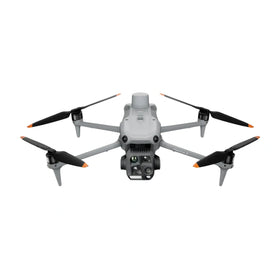
The Future of Integrated Airspace: 3 MAD Air's Blueprint for Public Safety Drones
Public safety drone operations are on the cusp of a paradigm shift. Michelle Duquette of 3 MAD Air joins the Public Safety Drone Review on June 2, 2026, to unveil a framework for true airspace integration. This analysis breaks down the implications for BVLOS waivers, Part 107 compliance, and the growing demand for inspected pre-owned DJI drones as agencies scale their fleets. The immediate disruption? Agencies without integrated systems risk airspace bans and operational paralysis.

Notas editoriales
- Este artículo combina informes externos citados con el análisis propio de Reboot Hub para compradores de drones, operadores de flotas, clientes de reparación y observadores del mercado de DJI seminuevos.
- Los hechos de la fuente se separan de la interpretación. Cuando un informe proporciona datos limitados, el artículo indica dicha limitación y presenta la visión de Reboot Hub como un análisis.
- Reboot Hub posee vínculos comerciales con productos y servicios de reparación de drones; dichos enlaces son recursos para el lector y no determinan la conclusión del artículo.
The clock is ticking for public safety drone programs across the United States. On June 2, 2026, the next edition of the Public Safety Drone Review, hosted by DRONELIFE and DRONERESPONDERS, will feature a keynote that could redefine how police, fire, and EMS units operate in the national airspace. Michelle Duquette of 3 MAD Air is set to present a bold vision for "Integrated Airspace" - a framework that promises to merge drone operations seamlessly with manned aviation, air traffic control, and emergency response networks.
For commercial operators and public safety agencies alike, this is not just a theoretical discussion. It is a direct response to the FAA's increasing pressure on beyond visual line of sight (BVLOS) compliance and the growing need for reliable, interoperable hardware. As the industry grapples with the complexities of UAS traffic management (UTM), Duquette's insights could serve as a blueprint for the next decade of drone integration.

At Reboot Hub, we analyze this development through the lens of the second-hand drone market, assessing how these regulatory and technological shifts impact fleet procurement, maintenance, and the value of inspected pre-owned equipment. The message is clear: agencies that fail to adapt to integrated airspace requirements risk operational obsolescence.
Enterprise procurement
Turn this market signal into a fleet requirement.
Discuss mission profile, quantities, configuration, delivery, and lifecycle support with Reboot Hub.
The 3 MAD Air Vision: What Is Integrated Airspace?
Michelle Duquette, a leading voice in public safety aviation, will headline the June 2 webcast to outline 3 MAD Air's approach to integrated airspace. The concept is deceptively simple: create a unified digital ecosystem where drones, helicopters, fixed-wing aircraft, and ground-based sensors share real-time data through a common operating picture. This is not just about avoiding collisions; it is about enabling coordinated responses to wildfires, search and rescue missions, and active shooter incidents.
According to a preview of the event, Duquette will discuss how existing technologies - including ADS-B, Remote ID, and 5G networks - can be leveraged to build a "digital twin" of the airspace. This system would allow incident commanders to see every airborne asset on a single screen, dramatically reducing the cognitive load on pilots and dispatchers.

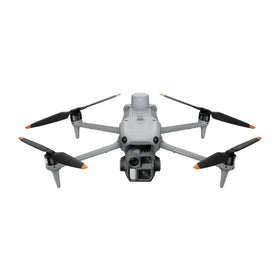
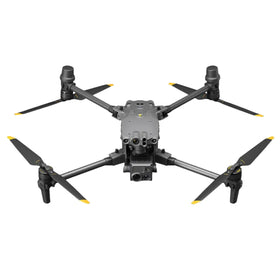
For agencies currently operating DJI Matrice 350 RTKs or Mavic 3 Enterprise series drones, this integration is critical. Without a robust UTM backbone, BVLOS waivers remain out of reach, limiting the effectiveness of drone programs in large-scale emergencies. Duquette's presentation is expected to provide a roadmap for achieving this integration without waiting for FAA rulemaking to catch up.

Why This Matters Now: The Regulatory Pressure Cooker
Ready to Upgrade Your Fleet?
Browse our collection of inspected pre-owned DJI drones - inspected, flight-tested, and backed by a 6-month warranty. Save up to 40% versus retail.
The timing of this webcast is no accident. In early 2026, the FAA signaled a major crackdown on non-compliant drone operations, particularly in controlled airspace. Public safety agencies that previously operated under blanket waivers are now facing stricter scrutiny. The agency is demanding proof of reliable detect-and-avoid systems, network-based Remote ID, and integration with local air traffic control.
This regulatory shift has created a surge in demand for advanced hardware. Agencies are scrambling to upgrade from older DJI Phantom 4 RTKs to newer platforms like the Matrice 350 RTK or the upcoming Mavic 3 Thermal series. However, budget constraints are forcing many to turn to the used drone market for cost-effective solutions.
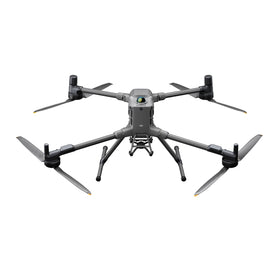
Duquette's framework directly addresses this pain point. By advocating for open-standard integration, she argues that agencies can avoid vendor lock-in and mix-and-match hardware from different manufacturers. This is a boon for the second-hand market, as it increases the value of interoperable platforms like the DJI Matrice 300 RTK, which remains a workhorse in public safety fleets.
Ready to Upgrade Your Fleet?
Browse our collection of inspected pre-owned DJI drones - inspected, flight-tested, and backed by a 6-month warranty. Save up to 40% versus retail.
Q&A: What Does Integrated Airspace Mean for Public Safety Agencies and Commercial Operators?
Question: How will this affect agencies with existing DJI fleets?
Answer: Agencies that have invested in DJI platforms, such as the Matrice 300 RTK or Mavic 3 Enterprise, are in a strong position. These drones already support Remote ID and can be integrated with third-party UTM providers. However, the key is ensuring that the entire fleet is running the latest firmware and that operators are trained on network-based Remote ID. Duquette's framework emphasizes software interoperability over hardware replacement, meaning agencies can extend the life of their current equipment by focusing on backend integration. This is where the pre-owned DJI drones from Reboot Hub become a strategic asset - they offer the same capabilities as new units at a fraction of the cost.
Question: What are the immediate compliance risks?
Answer: The most pressing risk is the loss of BVLOS waivers. The FAA is increasingly requiring evidence of integrated airspace participation for any operation beyond visual line of sight. Agencies that cannot demonstrate this capability may find their waivers revoked, forcing a return to VLOS-only operations. This would severely limit the effectiveness of drone programs in large-scale incidents like wildfires or search and rescue. Duquette's presentation will likely offer a phased approach to compliance, starting with basic Remote ID implementation and moving toward full UTM integration.
Question: How does this impact the second-hand drone market?
Answer: The push for integrated airspace is creating a tiered market for used drones. Older models that lack Remote ID or advanced processing power - like the original Mavic 2 Enterprise - are seeing their values decline. Meanwhile, platforms that support open-standard integration, such as the DJI Matrice 350 RTK and Autel's EVO Max series, are holding their value better. For agencies on a budget, the used drone market offers a path to upgrade without breaking the bank. Reboot Hub's inventory of inspected pre-owned DJI drones includes models that are fully compatible with the latest UTM and Remote ID standards, making them ideal for agencies preparing for integrated airspace.
The Technical Backbone: Remote ID, ADS-B, and 5G
Duquette's framework relies on three key technologies. First, Remote ID, which is already mandatory for most operations, provides a digital license plate for drones. Second, ADS-B In/Out allows drones to see and be seen by manned aircraft. Third, 5G networks enable low-latency data sharing between drones, ground control stations, and air traffic control. When combined, these technologies create a "digital fence" that prevents airspace conflicts.
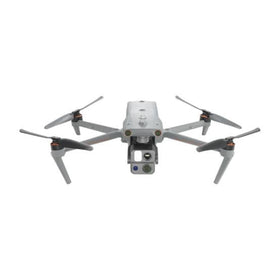
For commercial operators, this means that any drone purchased today must be capable of supporting these standards. The DJI Matrice 350 RTK, for example, comes with built-in 4G LTE support and can be upgraded to 5G. Similarly, the Autel EVO Max 4T offers dual-frequency connectivity. For agencies looking to save money, Reboot Hub's professional DJI repair services can extend the life of older models by upgrading their communication modules to meet new standards.
Market Implications: The Rise of inspected pre-owned Drones
As public safety agencies rush to comply with integrated airspace requirements, the demand for cost-effective hardware is skyrocketing. New drone prices remain high, with the DJI Matrice 350 RTK retailing for over $10,000. This is driving a surge in the second-hand market, where agencies can find inspected pre-owned units for 30-40% less. Reboot Hub has seen a 25% increase in inquiries from public safety agencies in the past quarter alone.
However, not all used drones are created equal. The key is to find units that have been professionally inspected, flight-tested, and come with a warranty. Reboot Hub's inventory of pre-owned DJI drones meets these criteria, offering agencies a reliable path to compliance without the premium price tag. Additionally, our professional DJI repair services ensure that even older units can be upgraded to meet the latest standards.
Conclusion: The Clock Is Ticking
Michelle Duquette's presentation on June 2, 2026, is a must-watch for anyone involved in public safety drone operations. Her vision of integrated airspace is not just a futuristic concept - it is a practical response to the FAA's regulatory demands. Agencies that act now to upgrade their fleets and adopt open-standard integration will be well-positioned for the future. Those that delay risk operational paralysis.
For commercial operators and second-hand buyers, the message is clear: invest in platforms that support Remote ID, ADS-B, and 5G connectivity. The used drone market offers a viable path to compliance, but only if you choose inspected pre-owned units from a trusted source like Reboot Hub. As the industry moves toward full integration, the value of reliable, interoperable hardware will only increase.
FAQ: Integrated Airspace and Public Safety Drones
Q: What is integrated airspace for public safety drones?
A: Integrated airspace refers to a unified digital system where drones, manned aircraft, and ground-based sensors share real-time data through a common operating picture. This enables coordinated responses to emergencies and ensures compliance with FAA regulations.
Q: How can agencies prepare for integrated airspace requirements?
A: Agencies should focus on three key areas: upgrading to drones that support Remote ID and ADS-B, implementing network-based Remote ID solutions, and investing in UTM software that can integrate with local air traffic control. inspected pre-owned drones from Reboot Hub offer a cost-effective way to achieve this.
Q: Will integrated airspace increase the cost of drone operations?
A: In the short term, yes, as agencies will need to invest in new hardware and software. However, the long-term benefits - including reduced collision risk, faster emergency response, and streamlined BVLOS waivers - far outweigh the costs. The used drone market provides a way to minimize upfront expenses.
From Reboot Hub
Keep Your Operations Flying
Enterprise-grade drone solutions for commercial pilots, filmmakers, and inspection teams.
Pre-owned Fleet
Fully inspected DJI drones with 6-month warranty. Save up to 40%.
Browse Inventory ->