RedChip Vertical Economy Event: What Drone Operators Need to Know
RedChip Companies hosts a virtual investor conference on July 16, 2026, spotlighting public companies driving the vertical economy. For drone fleet operators and buyers, the event signals growing financial momentum that could impact equipment availability, pricing, and pre-owned opportunities.

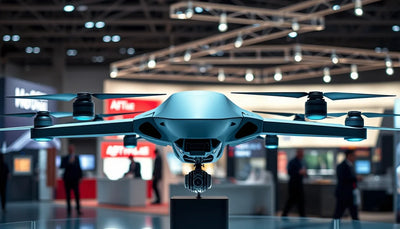
On July 16, 2026, RedChip Companies will host a virtual investor conference focused on the vertical economy—a term encompassing drones, air taxis, and other aircraft that operate in low-level airspace. The event, announced on July 7, is part of a broader race among public companies to commercialize vertical-lift technologies. For commercial drone operators, fleet managers, and buyers in the second-hand market, this financial event carries signals about capital flows, fleet expansion strategies, and the evolving value of pre-owned equipment.
The vertical economy is no longer a speculative niche. As RedChip's conference illustrates, publicly traded companies are actively competing to secure investment and scale operations. When investor interest heats up, it often translates into faster equipment turnover, tighter supply of new units, and increased demand for certified pre-owned alternatives. Understanding these dynamics helps buyers and repair customers make smarter timing decisions.
What the RedChip Conference tells us about capital in the drone sector
RedChip Companies is known for showcasing microcap and small-cap public companies—often those that are early-stage but gaining traction. The July 16 event specifically targets the vertical economy, indicating that investors see commercial drone operations as a growth sector requiring dedicated attention. The source announcement states that the conference will feature companies "leading the vertical economy," though specific participants were not named in the available release.
Purchase timing
Use market shifts to buy, sell, repair, or wait with more context.
Compare trade-in timing, pre-owned DJI pricing, and repair economics before committing new capital.

For fleet operators and buyers, the significance lies in the confirmation that capital continues to flow into drone hardware and services. When public companies raise funds, they tend to purchase new fleet equipment, update hardware, and expand operations. That demand pressure can raise prices on new drones and shorten lead times for factory-direct orders. Consequently, operators who rely on new-in-box units may face tighter availability, especially for popular enterprise models used in inspection, surveying, and logistics.
At the same time, increased capital often leads to trade-in programs as companies upgrade to newer platforms. This generates a supply of pre-owned aircraft that enter the secondary market. For savvy buyers, the timing of such conferences and subsequent earnings reports can indicate when a wave of pre-owned DJI drones may become available at lower price points.
What this means for drone buyers
If you are in the market for a drone—whether for a start-up, an established fleet, or personal use—the RedChip conference is a reminder to watch financial news alongside product reviews. The vertical economy's investor momentum creates two practical outcomes.
- New equipment pricing: When public drone companies raise capital, they often reinvest in R&D and production. That can temporarily reduce the availability of current-generation models as factories shift lines. Buyers may need to pre-order or pay a premium for new units during such cycles.
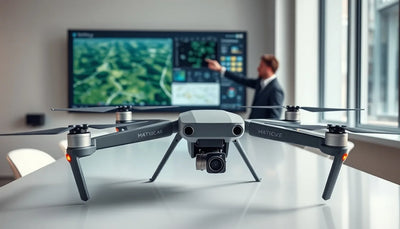
- Opportunities in the secondary market: Upgrades financed by investor money mean older models are traded in or sold off. The pre-owned DJI drone market becomes a liquid option for operators who want proven performance without the lead-time or cost of new equipment. For example, a fleet manager refreshing to the latest Matrice series may offload perfectly functional M300 or M30 units through channels like pre-owned DJI drones.
For the repair customer, the capital cycle also matters. As more drones enter the secondary market, the demand for professional DJI repair services and genuine OEM spare parts rises. Operators who buy pre-owned units need assurance that parts and service are available. The vertical economy's growth strengthens the overall support ecosystem.
How the vertical economy conference affects fleet planning and repair decisions
Fleet managers should consider the conference as a strategic calendar event. Investor conferences like RedChip's often precede product announcements, partnership deals, or funding rounds that reshape the competitive landscape. When a few leading public drone companies gain financial strength, they can dictate pricing tiers for sensors, batteries, and software subscriptions.
One direct consequence: maintenance cycles may shift. If a manufacturer announces a new software subscription model or a hardware upgrade, it can make older firmware versions less supported. Fleet operators on tight budgets may choose to delay upgrades and instead invest in drone trade-in guide options to exchange aging units for newer pre-owned stock. This keeps operational costs predictable while maintaining compatibility with control software and accessories.
For independent repair shops and in-house maintenance teams, the vertical economy's growth implies a steady flow of work. Each drone that enters service eventually requires calibrations, sensor replacements, or structural repairs. The supply of genuine OEM spare parts—motors, gimbals, propellers, boards—remains critical. Operators who buy from reputable secondary-market sources that include inspection reports can reduce repair frequency and extend service life.
The source does not specify which companies will present, but the focus on "the race" suggests competitive intensity. That competition often drives better aftermarket support, including more accessible repair documentation and parts distribution. Fleet operators should monitor the conference's outcomes—if any company announces a parts guarantee or extended warranty, it may shift buying decisions for the second half of 2026.
Takeaways for the pre-owned DJI market and spare parts availability
The pre-owned DJI market occupies a unique position in the vertical economy. DJI platforms dominate commercial fleets worldwide, and their durability makes them ideal for second-life use. Investor confidence in the overall vertical economy indirectly boosts confidence in DJI hardware because it is the most widely deployed ecosystem. When capital flows to drone operators, they often purchase DJI units as the baseline, then later upgrade to next-generation models. That upgrade cycle feeds the pre-owned supply chain.
For repair customers, the implication is clear: genuine OEM spare parts become more accessible as more units cycle through the market. Manufacturers and authorized repair centers may stock parts more broadly to support both new and pre-owned fleets. However, operators should verify that any pre-owned unit they purchase is still eligible for official repairs or firmware updates. Some very old models may no longer be supported.
At the same time, a rising tide of investor interest can sometimes lead to overstocking. If a company overproduces a particular model, pre-owned prices may dip temporarily. That creates good buying opportunities for operators who watch the market closely. The RedChip conference is not a direct signal of such overproduction, but it is a reminder that financial events shape manufacturing and distribution decisions that eventually reach the secondary market.
Ultimately, the vertical economy is being built on hardware that must be maintained, repaired, and replaced. Every dollar invested in a new drone eventually flows into the pre-owned market and the repair ecosystem. Operators who understand this chain can plan purchases, trades, and maintenance budgets more effectively.
What is the vertical economy exactly?
The vertical economy refers to commercial activities conducted in low-altitude airspace using drones, air taxis, and other vertical-takeoff-and-landing aircraft. It includes applications like logistics, inspection, agriculture, and emergency response. The RedChip conference on July 16 focuses on publicly traded companies that are part of this emerging sector.
How does an investor conference affect my drone buying decisions?
Reboot Hub analysis: Investor conferences can signal which companies are likely to expand production, launch new models, or increase trade-in programs. When capital flows into drone companies, new equipment supply may tighten temporarily, while the secondary market gains more pre-owned inventory. Watching such events helps you time purchases and trades.
Should I buy pre-owned DJI drones right now?
With the vertical economy attracting investment, many commercial operators are upgrading their fleets. That often creates a supply of well-maintained pre-owned DJI drones. If you need a reliable platform at a lower cost, the current cycle is favorable—just ensure the unit has been inspected and comes with genuine OEM parts support.
Fuentes consultadas
- Yahoo Finance / Access Newswire RedChip vertical economy event report - primary reporting source
- RedChip Vertical Economy Investor Conference - official event page
- RedChip official website - official company source
Reboot Hub Editorial ofrece análisis de compra, reparación, reventa y operatividad para propietarios de drones. Si detecta algún error, contáctenos para solicitar una revisión de corrección conforme a nuestra política editorial.
Este artículo constituye un comentario de mercado para operadores y compradores de drones y no representa asesoramiento financiero. Reboot Hub no brinda asesoría financiera ni recomienda transacciones de valores.